Smoke Cleansing Without Sage: Common Mistakes to Avoid
Hello dear reader, Amira here. Over the years, I've watched many practitioners, curious and seasoned alike, turn to smoke cleansing as a way to clear their space or self of unwanted energy. While white sage has been a treasured traditional herb for this purpose, it’s not the only path—and sometimes, it’s not the best choice for everyone. Smoke cleansing without sage offers a wonderful, adaptable approach, but it carries its own subtle pitfalls and misconceptions.
Right up front, you must know this: smoke cleansing without sage is a meaningful ritual, but it’s not magic by itself. It requires respect, intention, and care. Without these, the ritual can miss its mark, or worse, cause emotional disturbance or disrespect cultural practices. Let’s explore five common mistakes and misconceptions, and gently guide you toward safer and more mindful use of smoke and smoke alternatives for spiritual cleansing.
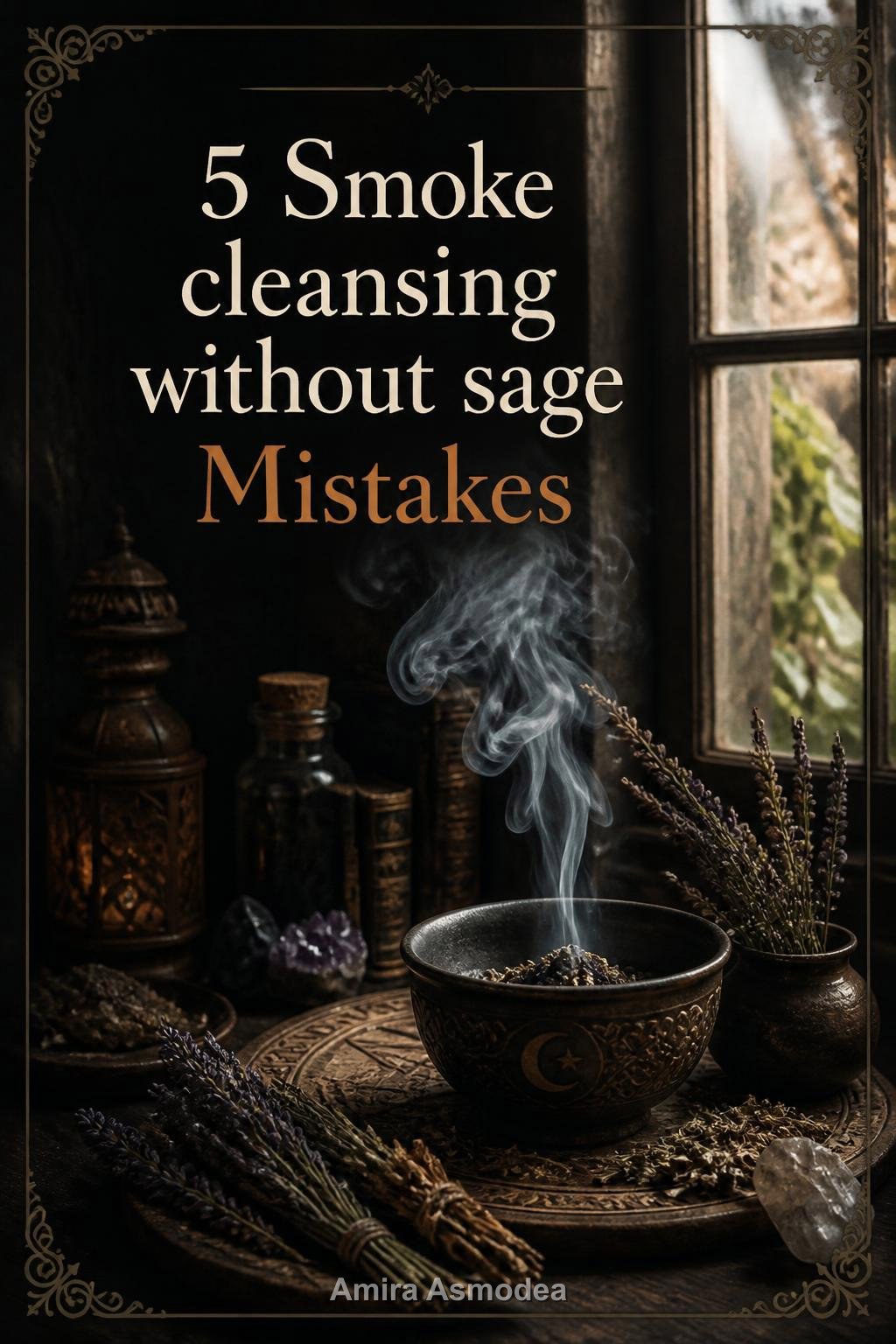
Why Choose Smoke Cleansing Without Sage?
Before diving into pitfalls, it’s helpful to know why some choose to cleanse with smoke but steer clear of sage. White sage harvesting has grown unsustainable, and many practitioners seek to honor indigenous traditions by avoiding commercial use without permission. Others find sage too strong or have allergies, or simply prefer different herbal scents and energies. Whatever your reasons, there are plenty of fragrant, potent herbs and resins that offer spiritual meaning and cleansing power without sage.
Alternatives to Sage for Spiritual Cleansing
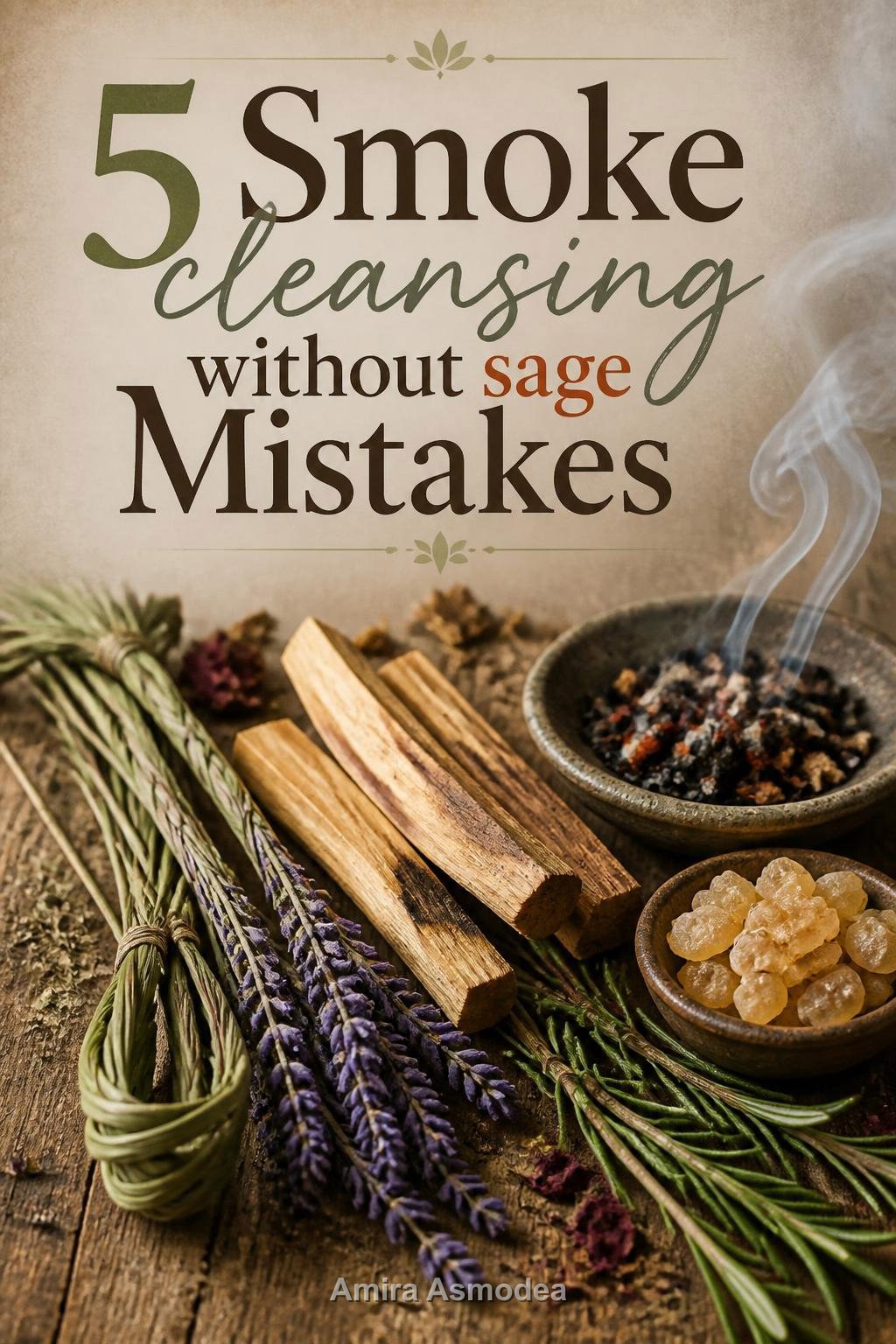
- Sweetgrass: Often braided, sweetgrass smoke invites goodwill and positivity.
- Lavender: Known for calming and protection, its smoke soothes and clears tension.
- Rosemary: A strong, purifying herb believed to ward off negative influences.
- Juniper berries: Traditionally used to guard and cleanse spaces.
- Palo santo: A wood with a sweet, uplifting smoke that clears stagnant energy.
- Copal or frankincense resins: Burning these offer rich, warm aromas used in folk magic and ritual worldwide.
Choosing your smoke is about more than scent—it’s about what resonates with your spirit and the traditions you respect. Now, let’s turn to what can sometimes go awry when trying smoke cleansing without sage.
Mistake 1: Using Smoke Cleansing Without Sage as a Quick Fix
A very common error is to treat smoke cleansing like a magic eraser for all your troubles. Smoke cleansing isn’t an instant wipe of negativity or life's challenges. In my experience, it’s part of a larger practice—often paired with reflection, intention-setting, journaling, or stepping back from stressful situations.
Simply waving any smoke around without a clear purpose or internal work can make you feel unsettled or emotionally raw, because you’re stirring energies but not directing or understanding them. Therefore, before lighting your smoke, pause and ask what you really want to release or invite in.
Mistake 2: Ignoring the Symbolic Meaning of Your Chosen Herbs
Smoke cleansing without sage can be powerful, but each herb carries its own traditional and spiritual meaning. Many practitioners believe that ignoring these meanings lessens the ritual’s effect or can lead to unintended energetic consequences.
For example, rosemary is purifying but also protecting, while lavender soothes and balances. If your goal is to protect your home from negative energy, you might lean toward rosemary or juniper. If you want inner peace, lavender or palo santo could serve you better.
Failing to match the herbs’ symbolic energy to your intention is a mistake that can leave your ritual feeling weak or incomplete. Taking the time to learn a little folk magic lore behind your smoke material enriches your practice wildly.
Mistake 3: Neglecting Ventilation and Safety While Smudging
Smoke cleansing always involves burning something, which comes with potential hazards. I’ve known beginners to rush into a smudging ritual indoors without opening windows, leading to coughing fits, headaches, or worse—fire hazards.
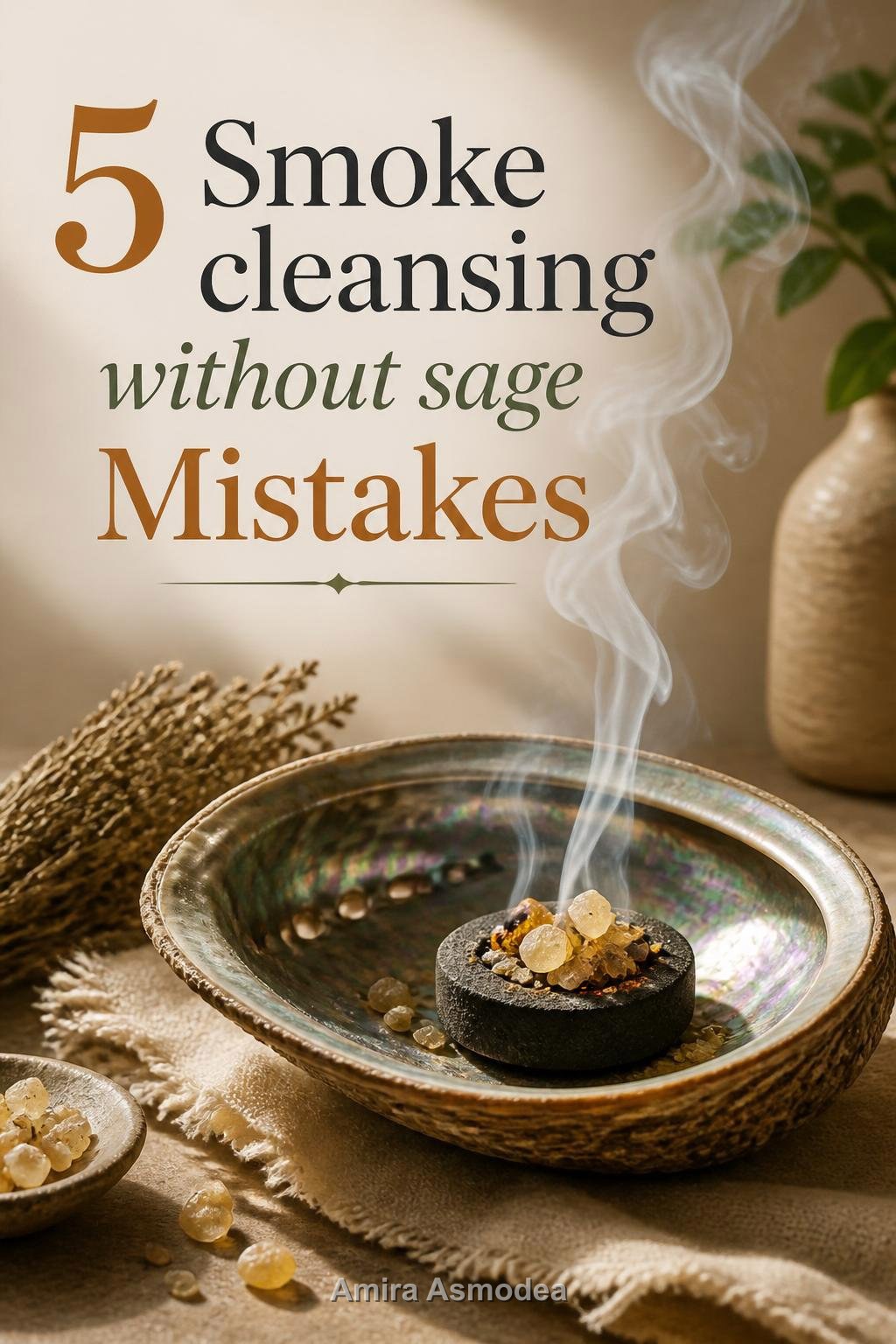
Always ensure your space is well ventilated, and you have a safe, fireproof container like an abalone shell or ceramic bowl when working with embers or ashes. This practical care is not just about physical safety but also about honoring the sacredness of your ritual space.
Mistake 4: Overlooking Emotional Sensitivity During and After Smoke Cleansing
Smoke, especially strong herbal smoke, can stir emotions—sometimes bringing up buried feelings like sadness, anxiety, or discomfort. When you try smoke cleansing without sage, especially if new to the practice, be gentle with yourself.
Many people feel an emotional release after smudging. In my experience, it helps to journal how you feel afterward or spend a few moments grounding yourself by sitting quietly or sipping a calming tea.
If you find you feel worse or unsettled, consider reducing the frequency of smoke cleansing or exploring other cleansing practices such as candle magic or sound-cleansing with bells or singing bowls, which you can also find discussed in my rituals section.
Mistake 5: Disregarding Cultural Respect and Appropriation Issues
Using smoke cleansing without sage—especially when turning to indigenous or traditional herbs without understanding their cultural roots or receiving proper guidance—can unintentionally veer into cultural appropriation.
Many practitioners and communities ask us to honor their traditions responsibly. This means learning about the cultural significance, sourcing herbs sustainably, and not treating sacred tools like perfume or décor. For example, sweetgrass is sacred to many Native communities, so buying from ethical sources or growing your own with permission is vital.
When in doubt, approach your practice with humility and gratitude, and consider starting your rituals with your personal protective spells or protection spells to set intention clearly before introducing smoke.
What Does Smoke Cleansing Without Sage Mean Spiritually?
Smoke cleansing is often seen as a way to clear stagnant, negative energy and invite renewal or protection. Using herbs other than sage brings distinct spiritual flavors. For instance, burning lavender in folk magic often represents peace and emotional healing, while palo santo is believed to elevate spiritual awareness and invite good fortune.
When smoke touches a room or a person, many believe it carries prayers and intentions upward, creating a bridge between our physical world and the unseen. This gives your choice of herbs and smoke a subtle language—one you can craft with intention and personal knowledge.
A Gentle How-To for Beginners Using Smoke Cleansing Without Sage
- Set your intention: Before lighting anything, focus clearly on what you hope to clear or invite.
- Choose your herb or resin wisely: Pick one that matches your intention and you feel comfortable burning.
- Find a cozy, well-ventilated spot: Open windows or doors slightly to allow smoke to move and exit.
- Light your bundle or charcoal: For loose resin, use charcoal discs and a fire-safe dish. For bundles, light at the tip and gently blow out flames.
- Wave smoke around yourself and your space: Using a feather or your hand, guide smoke to corners, doorways, and places that feel heavy.
- Give thanks: When finished, express gratitude to your herbs, the air, and your own spirit.
- Dispose fully: Safely extinguish embers and store tools respectfully.
This process can be adapted with your personal flair, but the grounding in respect, intention, and safety remains key.
Questions You May Still Wonder About
- Can I use incense sticks instead of loose herbs for smoke cleansing? Absolutely, though traditional loose herbs or resins offer more control over your smoke’s properties. Choose natural, unscented sticks or those made with appropriate herbs to keep your ritual sincere.
- How often should I practice smoke cleansing without sage? There's no set rule—some do weekly, others monthly or only when entering a new space. Trust your intuition and avoid overdoing it, especially if you’re sensitive to smoke.
- What if I don’t have any herbs at home? Can I cleanse with candle smoke? Yes, candle smoke can raise your intentions, especially when combined with candle magic. Lighting a white or colour-appropriate candle with intention is a lovely, gentle cleansing tool.
- Is smoke cleansing suitable if I have asthma or allergies? If you have respiratory issues, be very cautious. Natural smoke can aggravate symptoms. Alternatives like sound, salt, or crystals might be safer for cleansing your space.
Hope these insights help you avoid common stumbling blocks and understand the subtle art of smoke cleansing without sage more deeply. For more on related topics, you might enjoy exploring my egg cleansing guide or reading about signs that negative energy may be present in your home in my bad energy signs article.
Wishing you gentle winds and clear air on your cleansing journey. Until next time, may your rituals be safe, sincere, and filled with kindness toward yourself and the world.
— Amira Asmodea
Bibliography
- Laforest, Aura, and Catherine Yronwode. Hoodoo Spiritual Baths: Cleansing Conjure with Washes and Waters. Lucky Mojo Curio Company, 2014, 96 pp. ISBN 978-0971961265. Source.
- Mickaharic, Draja. Spiritual Cleansing: A Handbook of Psychic Protection. Weiser Books, revised edition, 2022, 144 pp. ISBN 978-1-57863-728-7. Google Books.
- Buenaflor, Erika. Cleansing Rites of Curanderismo: Limpias Espirituales of Ancient Mesoamerican Shamans. Bear & Company, 2018. ISBN 9781591433118. Google Books.
- Miller, Jason. Protection & Reversal Magick: A Witch's Defense Manual. Revised and updated edition, Weiser Books, 2023, 224 pp. ISBN 978-1-57863-799-7. Google Books.