Ancient Grimoires, Authentic Witchcraft Books
Greetings, dear soul. I’m Amira Asmodea, and today, we travel together into the shadowy and fascinating world of ancient grimoires—those bewitching, handwritten books that have long been treasured by witches, wizards, and magicians alike.
Let me begin by answering the question that visits my workspace over and over: what is a grimoire? Simply put, a grimoire is an old magical book, often handwritten, filled with spells, rituals, symbols, and knowledge used to call upon celestial beings, angels, demons, and even Olympian gods. These books serve as guides for the practitioner, offering signs, seals, and instructions for working with otherworldly forces. In my experience, grimoires are not just dusty tomes—they are vibrant companions in the craft, connecting us with traditions that span centuries and continents.
Many of these texts have traveled far and wide, sometimes surviving only through oral tradition before a wise practitioner took pen to parchment to preserve them. Some became collections of earlier magical writings, while others stand as complete magical systems in themselves. Often, these grimoires are translations or interpretations of ancient Egyptian, Greek, or medieval materials, blending lore and ritual passed down through generations of magicians.
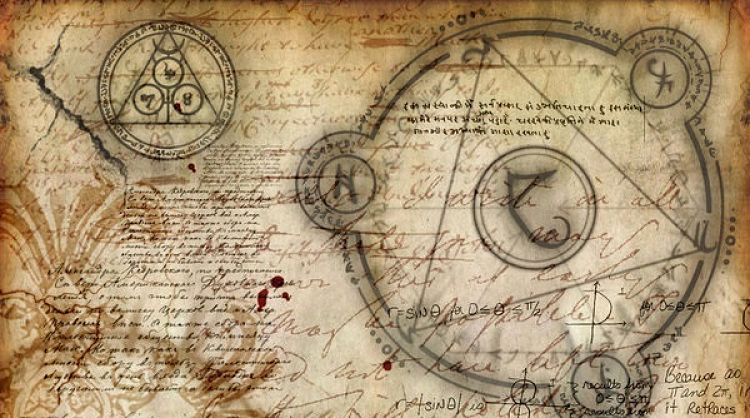
These books are sometimes elusive treasures. You might find copies on secondhand markets or online platforms like eBay, though authentic editions can be rare and often costly. Thankfully, digital versions are becoming more accessible, offering a path for modern practitioners to explore these dense and sometimes cryptic works at their own pace. While these books might seem quite overwhelming to a newcomer, they are invaluable tools for those ready to deepen their magical knowledge.
A Guide to Some Noteworthy Grimoires
Let me share a list of some renowned grimoires that many witches and magicians have studied. Each holds unique wisdom, rituals, and divine correspondences that have influenced magical practice for centuries:
- The Grand Grimoire of San Cipriano: Often linked to folk magic and summoning rituals, this grimoire blends Christian mystery with magical traditions.
- Enchiridion of Pope Leo III (circa 813 AD): A handbook combining religious and occult knowledge from early medieval Europe.
- Solomon’s Key (circa 900 AD): A foundation stone in western occultism, describing methods to invoke and command spirits according to the wisdom attributed to King Solomon.
- Lemegeton, or Lesser Key of Solomon: A detailed manual of spirit conjuring, dealing with the seventy-two demons said to be controlled by Solomon.
- Picatrix, by Maslama ibn Ahmad al-Magriti (circa 1007 AD): A richly complex Arabic magical text, focusing on astrology and talisman magic.
- The Heptameron, by Peter of Abano (circa 1300 AD): A ritual book explaining how to call upon angels and spirits over seven days.
- The Grand Grimoire (1522): Known for its recipes of magical dedication and pacts, often regarded with both awe and caution.
- The Grand Grimoire of Pope Honorius (1760): Another influential book blending Christian themes with spirit summoning.
- Golden Grimoire: Attributed to Trithemius, focused on attracting spirits and understanding their hierarchy.
- The Grimoire of Armadel: An angel magic text outlining how to communicate with celestial forces for wisdom and power.
- Sixth and Seventh Books of Moses: Popular magical texts purportedly containing secrets passed down from Moses himself.
- Aesh Mezareph (Purifying Fire): A lesser-known but profound text focused on purification and transformation through fire magic.
- Ritual to the Visible Appearance: A guide for manifesting spirits in a way that the magician can see and speak with them.
- The Kybalion: A modern work inspired by hermetic teachings that explore universal laws and principles.
- The Necronomicon: A controversial and mysterious text with legendary status in occult folklore, blending fiction and myth.
Each of these books offers a doorway into different magical worlds—some steeped in angelic wisdom, others in the darker arts, and many blending the two in complex harmony.
Why Do Grimoires Matter to Modern Practitioners?
You might wonder if these ancient books still hold relevance in today’s world. In my experience, the answer is a heartfelt yes. Grimoires are more than just historical curiosities; they are mirrors reflecting the human desire to reach beyond the ordinary, to connect with divine powers, and to shape reality through will and ritual.
When we open these texts, we step into a lineage—one that links us to countless witches, magicians, and seekers who came before. These books remind us that magic is as much about reverence, respect, and discipline as it is about power. They invite us to learn sacred languages of symbols, to understand planetary influences, and to approach ritual with both awe and practical skill.
To handle a grimoire is to engage in a dance of mind, spirit, and intention. Whether you use them as study guides, sources of inspiration, or practical manuals, these ancient books can deepen your connection to the magical arts.
Questions Readers Often Ask
Can I use any grimoire, or do I need a specific one?
In my experience, it’s best to start with a text that resonates with your spiritual path. Some grimoires lean towards angelic work, others focus on elemental spirits, and some delve into ritual magic that may feel foreign or complex. Begin with what feels accessible and meaningful to you; respectful study and gradual practice will open doors.
Are grimoires dangerous to use?
Handled with respect and a clear heart, grimoires are tools for growth and understanding. Many practitioners emphasize discernment—asking for protection, setting boundaries, and working with intention rather than impulse ensures safety in magical work.
Where can I find grimoires?
Besides rare antique editions, many grimoires have been digitized or reprinted by reputable publishers. Look for versions that come with commentary or explanations aimed at modern students. Taking classes or joining study groups can also provide guidance as you explore these texts.
Can I write my own grimoire?
Absolutely. In fact, many witches and magicians keep personal grimoires—a kind of magical diary where they record spells, rituals, insights, and experiences. These personal books become invaluable companions on your path, reflecting your unique journey.
I hope this exploration has shed light on the rich world of ancient grimoires and their place in authentic witchcraft. May the wisdom contained within these pages inspire your own magical unfolding.
Thank you for joining me. Blessings on your path, and may your curiosity and courage guide you ever deeper into the mysteries.
Bibliography
- Doreen Valiente. An ABC of Witchcraft Past and Present. Robert Hale, an imprint of The Crowood Press, 1999. ISBN 9780719826917.
- Owen Davies. Grimoires - A History of Magic Books. Oxford University Press, 2009. ISBN 9780199204519.
- Buckland, Raymond. Buckland's Complete Book of Witchcraft. Llewellyn Publications, 1986. ISBN 9780875420509. Source.
- Waite, Arthur Edward. The Book of Ceremonial Magic. William Rider & Son, 1911. Source.
- Gerald Gardner. The Meaning of Witchcraft. Aquarian Press, 1982. ISBN 1950506789. Source.