Aztec ritual: blood sacrifices
Hello, dear seekers of ancient wisdom. I’m Amira Asmodea, and today we’ll wander back through time to the heart of the Aztec Empire, exploring a practice often misunderstood yet deeply spiritual: blood sacrifice. This was not mere cruelty, but a ritual with profound meaning — a bridge between humans and the divine.
Why blood sacrifices? The heart of the matter
In my experience and study of many mystical traditions, Aztec blood sacrifices served as a crucial spiritual offering. The Aztecs believed that the universe depended on balance, and that this balance was maintained by the sacred exchange of life essence — symbolized most strongly through blood. They held that the sun itself, the giver of life, would not rise without receiving this vital force.
This belief leads us to one of the most solemn and dramatic rituals of their culture: human sacrifice. At first glance, these scenes might strike us with horror, yet within them lies a complex system of faith and cosmic order.
How were these rituals performed?
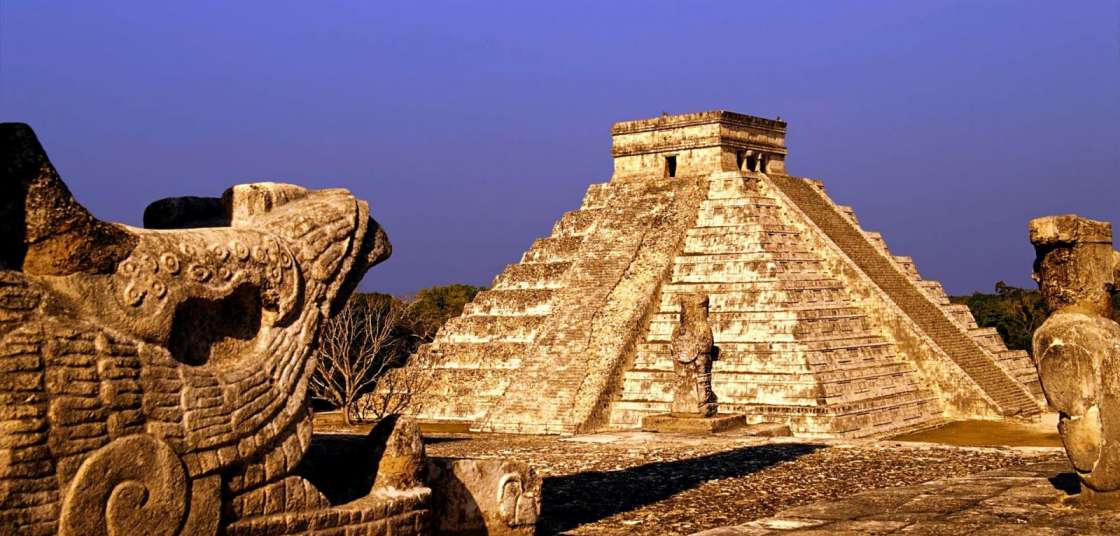
The process was precise and carried out with great reverence. The chosen individual — sometimes a prisoner of war or a volunteer seen as an honored representation of a god — was brought to the temple’s summit. There, four priests restrained the person on a stone altar while a fifth, wielding a flint knife, opened the chest to remove the still-beating heart. This heart was offered directly to the statue of the God at the center of the ritual, symbolizing the gift of life to sustain the cosmos.
The body was then respectfully discarded at the pyramid’s base. What’s especially moving is how the gathered crowd would also offer blood through self-cutting, creating a shared act of devotion.
Living gods: embodying divinity in flesh and blood
A particularly intriguing custom was the ixiptlatli — a living embodiment of a specific deity. A priest or specially chosen person would dress and live as the god for a time, honored as the true presence of that divine force on earth. Yet, this honor came with an inevitable end: the human incarnation would be sacrificed at the festival’s close, completing the sacred cycle.
Beyond humans: a world rich with sacrifice
While human sacrifice is the most famously remembered, Aztec ritual practice included many other offerings. Animals were commonly sacrificed, and ordinary people performed bloodletting on themselves, using various tools to draw drops of their own life essence for their gods.
This repeated offering was understood as a blood debt, a spiritual obligation to keep the world running smoothly. It was less about punishment and more about reciprocity — a partnership with the divine.
How many sacrifices took place? The scale of ritual
The scale of these rituals was vast. The Aztec calendar was divided into eighteen months, each marked by a unique festival involving blood offerings. Estimates vary, and it’s likely some numbers have been exaggerated, but suggestions range up to tens of thousands of sacrifices each year — numbers that speak to how central these rites were in daily life.
Not all sacrifices were by the heart ritual. Different methods included shooting arrows, drowning, burning, or ritual combat reminiscent of gladiatorial contests. Sometimes, warriors would fight not to kill but to capture prisoners for sacrifice, as seen in the Flower Wars, special battles fought largely for this sacred purpose rather than conquest.
What became of the bodies?
The treatment of bodies varied. Sometimes they were offered as food to animals, other times displayed to emphasize the power of the gods and the state. Stories mention cannibalism, though it remains debated how widespread or regular this was.
Reflecting on Aztec rituals today
When we look at these practices through the veil of time, it can be tempting to reduce them to brutality alone. But I encourage you to see beneath the surface — these rituals embody a profound relationship with existence, sacrifice, and renewal. Like many old traditions, their language is mysterious, but their core concerns—life, death, and the sacred—speak to something universal.
Questions readers often ask
Did everyone support these sacrifices?
Many sources note it was a deep part of society, upheld by priests and rulers, and generally accepted by the populace as necessary, though undoubtedly difficult for some participants.
How do modern witches see these rituals?
While we do not practice human sacrifice, many modern practitioners recognize the power of blood as a symbol of life force and connection to the divine across cultures. Rituals of bloodletting or offering are approached with respect and intention, always mindful of ethics and consent.
Is there a connection between Aztec rituals and other cultures?
Certainly. Blood as a sacred offering appears worldwide, from ancient Egypt to Celtic rites, emphasizing the universal human desire to give back to the unseen forces that guide us.
Thank you for joining me in this deeper look at Aztec ritual and the spiritual life that animated one of history’s most fascinating civilizations. If your heart is curious for more mysteries and magical traditions, wander further through these pages. The road of discovery never ends.