10 Tips for Practicing Witchcraft
Welcome, dear seeker. I’m Amira Asmodea, and I’m delighted to share some gently seasoned advice as you stand at the doorway of the mysterious and enchanting world of witchcraft. Whether magic has whispered to you softly or beckoned with a thrilling call, these ten tips offer heartfelt guidance to help you walk your path with clarity, respect, and richness.
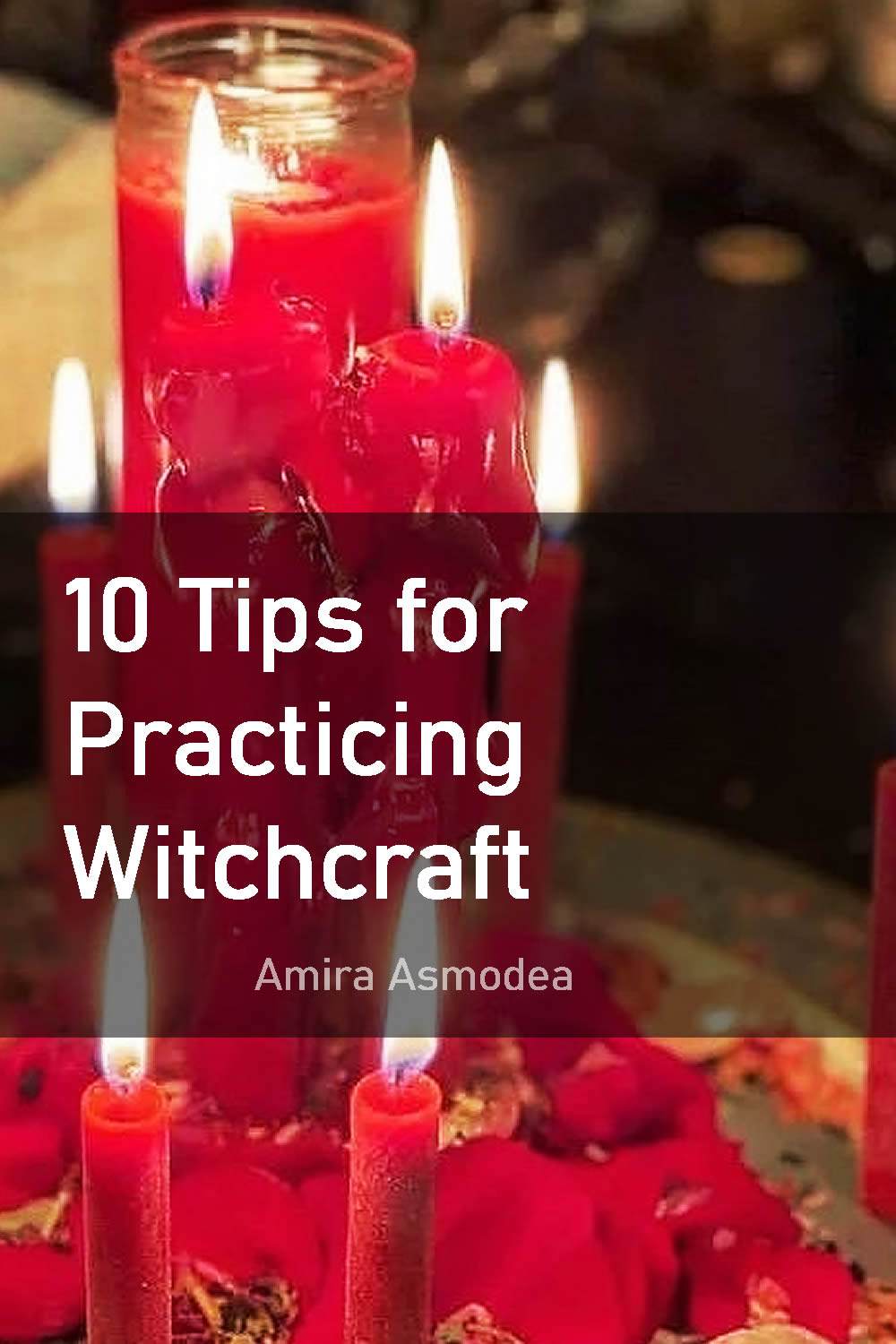
At its heart, witchcraft is a deeply personal and living practice. It weaves intention, nature, and spirit into a tapestry as unique as every practitioner’s own pulse and dreams. So, let’s begin by getting to the core of your magic: your intention.
1. Define Your Intentions:
Before lighting your first candle or whispering your first spell, ask yourself gently: what do I truly seek? Is it healing, growth, protection, love, or deeper understanding? Your intention is the compass of your craft, guiding every spell and ritual. In my experience, crystals, herbs, and even candle colors take on new life when charged with clear, heartfelt purpose.
For example, if you’re drawn to healing, you might work with herbs like lavender or chamomile, known for their soothing qualities, or choose soft green and blue candles to support gentle transformation. Setting intentions isn’t about pressure or perfection. It’s about clarity, allowing your magic to flow authentically rather than scattered or uncertain.
2. Study and Research:
The craft is a vast forest, filled with different paths and stories. You might dip your toes into Wicca’s nature-based rituals, explore the wise traditions of older folk magic, or discover unique paths that resonate with your soul. There’s richness here to nourish your practice.
Books, online courses, and conversations with other practitioners are wonderful ways to learn. Just remember, knowledge in witchcraft isn’t merely academic—it’s lived, felt, and experienced. The stories of herbs, the meanings of symbols, and the rhythms of the moon all come alive when you engage with them regularly.
3. Connect with the Elements:
Earth, Air, Fire, and Water—they're not just words or concepts but alive forces that surround and sustain us. Many practitioners find that spending quiet moments outdoors—feeling the soil beneath their feet, breathing the fresh air, warming by a fire, or listening to the flow of water—awakens a deeper connection to magic.
The elements often appear in rituals: salt to represent Earth’s grounding, incense or feathers for Air, candles for Fire, and bowls of water for, well, Water. These reminders invite you to tune into the natural world, where magic often begins.
4. Create Sacred Space:
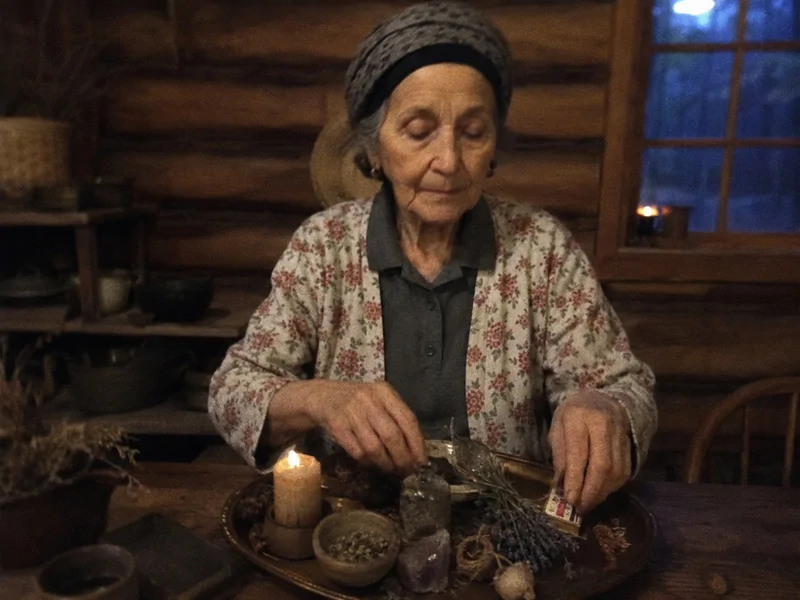
Having a place you call sacred anchors your practice. This could be a small altar with meaningful objects—a chosen stone, a special candle, a feather, or a picture of a deity—or a quiet corner in your garden. This space becomes a refuge, a place where your intentions gather and your connection to the unseen deepens.
Keep in mind, the sacredness of space comes from your respect and attention. It needn’t be elaborate, but it should feel like a sanctuary to you, free from distraction and imbued with your energy.
5. Work with Intuition:
The heart of magic often lies in the quiet voice within—the intuition that guides your hands and heart. Trusting this inner knowing can feel vulnerable, especially when you’re starting out, but it’s one of the most valuable tools you have.
When laying out cards for divination, choosing herbs for a spell, or deciding how to mark the wheel of the year, listen to that instinct. It’s wise, even when it feels mysterious or irrational. Give it space to grow by practicing mindfulness or meditation, allowing insights to emerge naturally.
6. Experiment with Spellcraft:
Magic is meant to be playful and personal. Don’t be afraid to try out different spells and rituals—observe what feels right, and what brings a spark to your spirit. It could be as simple as lighting a candle while speaking your desire, or as complex as crafting a sigil, a magical symbol designed with your intention encoded within.
I keep a magical journal where I note what works, what doesn’t, and any subtle changes I notice. Over time, you’ll develop your own style of spellcraft, one that fits your unique rhythm and energy.
7. Respect Ethics and Responsibility:
Witchcraft calls us to be mindful of the effects our magic may have. Many practitioners honor a simple principle often summarized as, “Harm none.” This isn’t about fear but about respect—for yourself, others, and the delicate balance of the energies you work with.
Rather than trying to bend others’ will or control outcomes, focus your magic on growth, healing, protection, and positive change. That way, your craft becomes a joyous and uplifting force.
8. Build a Magical Toolkit:
Your tools can feel like trusted companions along your path. Crystals that catch the light just so, candles in colors that speak to your mood, herbs that warm your hands in the sacred fire of your spell—the list is endless. Tarot or oracle cards may call your name, or the steady presence of a pendulum.
In my experience, choosing tools intuitively creates a deep bond. When you select something that feels right rather than just what’s popular or suggested, your connection to your craft strengthens.
9. Foster Community and Learning:
Witchcraft can feel like a solitary path—and sometimes it is—but the magic of shared experience is powerful. Meeting others who walk similar roads offers support and new perspectives. Whether through a local gathering, online forums, or informal tea-and-herbs chats, community feeds the soul.
Remember, you can borrow wisdom without losing your individuality. Together, witches inspire and teach one another, making the craft a living, breathing tradition.
10. Embrace Continuous Learning:
The craft is a lifelong journey. Be open to turning new pages, learning fresh techniques, and exploring unfamiliar traditions. This openness keeps magic vibrant and alive, deepening your connection to its ever-unfolding mysteries.
Books, workshops, or simply quiet moments of reflection serve as doorways to growth. In time, you’ll notice how your practice matures, just as you do.
Crafting Your Magical Path
These ten tips are not rigid rules but gentle signposts. Witchcraft molds itself to your heartbeat, experience, and desire. It invites reverence for the unseen, a playful curiosity, and a steady respect for the world around you.
May your journey be filled with discovery, empowerment, and the quiet joy of connection with the mysteries that dance just beyond the veil. Keep reading, keep exploring, and remember—you are the magic you seek.
Bibliography
- Doreen Valiente. An ABC of Witchcraft Past and Present. Robert Hale, an imprint of The Crowood Press, 1999. ISBN 9780719826917.
- Buckland, Raymond. Buckland's Complete Book of Witchcraft. Llewellyn Publications, 1986. ISBN 9780875420509. Source.
- Gerald Gardner. The Meaning of Witchcraft. Aquarian Press, 1982. ISBN 1950506789. Source.
- Gardner, Gerald. Witchcraft Today. Rider & Company, 1954. Source.
- Zambelli, Paola. White Magic, Black Magic in the European Renaissance: From Ficino, Pico, Della Porta to Trithemius, Agrippa, Bruno. Studies in Medieval and Reformation Traditions, vol. 125, Brill, 2007, x + 282 pp. ISBN 978-90-04-16098-9. Cambridge Core. Google Books.