How to learn white magic
Welcome, dear soul, to a gentle door opening onto the luminous path of white magic. I’m Amira Asmodea, an elder witch who has walked this path many moons, and I’m here to share with you the heart and hands of learning a craft that calls us toward light, healing, and harmony. White magic is often spoken of as the art of working with pure, gentle energies—energy that nurtures rather than harms, that uplifts rather than pulls down. It is accessible to anyone with sincerity, patience, and an open heart.
Let’s journey together through the roots and essentials of this beautiful tradition, sprinkling practical advice with a touch of mystical wisdom.
TABLE OF CONTENTS- What is meant by magic?
- Origins of magic
- Preparations for Learning White Magic
- Learn to be a good sorcerer!
What is meant by magic?

Magic, in its simplest light, is the art of transformation and connection—using energies both within and beyond us to influence events or states in the world. Many call it the knowledge of the hidden: those whispers behind ordinary experience that invite us to see the world through a veil lifted, revealing subtle forces at play.
In my experience, magic is both practical and mysterious. It works with energies we can feel—the rise and fall of moods, the rhythms of nature, the silent pulse of spirit. This is why sometimes it’s spoken of as an art, sometimes a science, sometimes a sacred dance. It asks us to understand our own inner landscapes and how we relate to the greater cosmos.
White magic, specifically, calls on the pure, protective, life-affirming currents of energy—the gentle light that guides and heals. It’s a practice of positive intent, focused on love, protection, cleansing, prosperity, and harmony. Traditionally, it’s considered a ‘right-hand’ path, meaning its focus is on growth that harms none, often fostering kindness and balance.
You might hear folks casually say, “There’s magic in love,” or “She has a magical way about her,” which captures the everyday enchantment we find in human connection. But white magic, practiced with respect and care, offers tools to consciously work with those energies - whether through ritual, herbs, candles, or mindful words.
Origins of magic
Magic’s roots run deep through human history and culture, carved into stories and scrolls that stretch back to ancient times. One of the earliest mentions comes from Egypt, where magicians were chronicled performing feats both wondrous and mysterious. The Westcar Papyrus tells tales of magicians called “D?is,” who served in the mighty palaces of Memphis, the home of the pharaohs.
One famous story recalls how a magician severed a duck’s head and, through invocation of sacred words, made it walk again—an act that dances on the edge of life and illusion.
These accounts also depict seers who foretold wars and the birth of heirs, blending what we now call magic with prophecy and divine insight. Throughout the centuries, the image of the magician has transformed—from ancient prophets and shamans to today’s readers of tarot cards, palm lines, and stars.
Magic has never remained static. It adapts to the times, and while the tools may shift, the essence—the desire to understand unseen energies and work with them—remains ever true. The path of white magic is very much alive today, a beacon for those seeking light and balance in a complex world.
Preparations for How to Learn White Magic
Before you dip your fingers into the waters of white magic, it’s wise to prepare yourself—and your sacred space—with intention and care. Magic asks for respect; after all, when we work with forces beyond our ordinary senses, even pure energy demands mindfulness.
In my experience, two ingredients stand out as essential: concentration and faith. Concentration grounds your work, like a steady flame that won't flicker in the wind. Faith fuels it—faith in the process, the energies you call upon, and most importantly, faith in your own connection with these forces.
You don’t need elaborate tools to start, though some aids do help focus your intent. Here are some basic instruments traditionally used in white magic rituals:
- Candles – symbols of light and transformation, each color carrying its own meaning.
- Incense – purifies the space and invites a sacred atmosphere.
- Dagger (Athame) – not for harm, but to direct energy and set boundaries.
- Cup – to represent the element of water and emotions.
- Altar – your dedicated space for ritual, a small sanctuary in your home where your magic breathes.
Taking note of the planetary energies can deepen your practice, for many traditional magicians believe that the days of the week hold special vibrations that bless different kinds of ritual work. This alignment isn’t strict but more like tuning your intentions to the rhythms of the cosmos.
- Sunday: Ruled by the Sun and the sign Leo, a powerful day for rituals aimed at health, happiness, peace, and confidence.
- Monday: Governed by the Moon and Cancer, perfect for home blessings, emotional healing, and nurturing yourself or loved ones.
- Tuesday: Mars’s day under Aries, suited for embracing courage, action, and strength, useful in protection rituals.
- Wednesday: Mercury in Gemini inspires spells for learning, communication, and mental clarity.
- Thursday: Jupiter and Sagittarius illuminate luck, prosperity, justice, and expansion—opportune for wealth and success workings.
- Friday: Venus’s realm, ruled by Taurus, naturally invites love spells, promoting harmony in relationships and self-love.
- Saturday: Saturn and Capricorn bring wisdom, discipline, and the clearing of negativity—ideal for banishment rituals and deep contemplation.
Learn to be a good sorcerer!
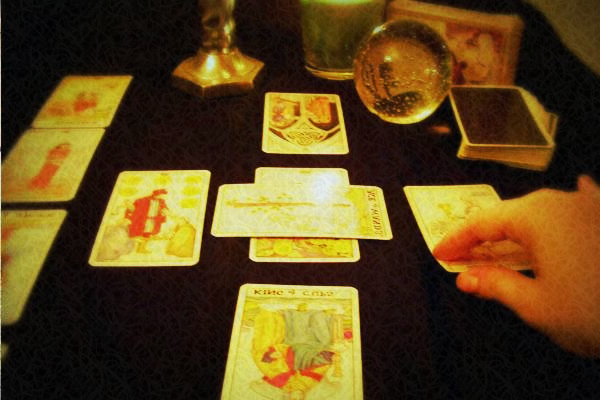
Being good at magic isn't about flashy tricks or knowing every spell by heart; it’s about cultivating a sincere relationship with the energies you work with, and with yourself. In my years walking this path, I’ve found some heartfelt practices that help anyone step forward with grace:
- Patience: Learning magic unfolds slowly, like a flower opening to the sun. Resist rushing; let each insight deepen naturally.
- Respect: Always approach your work and the energies with reverence. Remember that white magic is about creating harmony, not control.
- Self-awareness: Tune in to your feelings, your intentions, and your limits. Your internal balance reflects in your magical practice.
- Practice regularly: Even small daily rituals or moments of meditation strengthen your connection and clarity.
- Keep learning: Read, observe nature, listen to your intuition, and share with fellow practitioners if you feel called.
There’s a beautiful rhythm to harnessing light magic. Some spells you’ll do with candles and herbs, others with simple spoken words or focused thoughts. Each is a thread weaving your personal magical tapestry.
Many practitioners believe that the most important ingredient is intention—pure, heartfelt intention. When your wish is to heal, protect, or bring joy without causing harm, the energies you call upon respond in kind.
If you find yourself feeling unsure, start with small acts—lighting a candle in the evening, anointing yourself with oil or herbs, blessing your home, or simply sitting in quiet reflection under the stars. Notice the subtle shifts, the gentle current of peace or clarity. These moments are your foundation, your magical rootwork.
Dear reader, the road to learning white magic is as much a journey inward as it is outward. Treasure each step. And should you wish for guidance, a ritual blessed with care, or simply to share your thoughts, my door and heart are always open. Write to me at amiraasmodea@hotmail.com—it's a joy to walk this enchanted world together.
Thank you for spending this time with me. May your path be bright, your heart steady, and your magic ever gentle and true.
Bibliography
- Knight, Gareth. A History of White Magic. Illustrated reprint, Skylight Press, 2011, 207 pp. ISBN 9781908011046. Google Books.
- Zambelli, Paola. White Magic, Black Magic in the European Renaissance: From Ficino, Pico, Della Porta to Trithemius, Agrippa, Bruno. Studies in Medieval and Reformation Traditions, vol. 125, Brill, 2007, x + 282 pp. ISBN 978-90-04-16098-9. Cambridge Core. Google Books.
- Doreen Valiente. An ABC of Witchcraft Past and Present. Robert Hale, an imprint of The Crowood Press, 1999. ISBN 9780719826917.