Is there witchcraft?
Greetings, dear reader. I’m Amira Asmodea, and today I want to gently walk with you through a question I often hear in my letters: Is there witchcraft? This question echoes through the ages—wrapped in mystery, shadowed by fear, and colored by countless tales. So let us sit quietly, light a candle, and explore this together.
What do we mean when we ask if witchcraft exists? In my experience, witchcraft is both a real, lived experience and a complex symbol woven into our culture, faith, and fears. For some, it is the craft of those who seek to work with unseen energies, herbs, and words. For others, it remains the stuff of legends and cautionary tales.
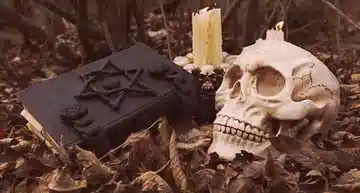
Traditionally, magic is a dialogue with the unseen — not necessarily “good” or “evil,” but a power to be used wisely or unwisely. Many practitioners believe that what you send out comes back, so intention and respect matter deeply.
Historic accounts describe witchcraft as a mix of many things: rituals, sacred herbs, chants in fading tongues, and symbolic acts. These practices have been misunderstood, maligned, or hidden through the centuries.
It’s important to separate fear and myth from direct experience. True witchcraft is not about devilish pacts or dark forces but about working with natural energies and spiritual awareness — yet I also understand why many traditions warn against careless use.
Such tales often stem from misunderstanding or fear of what was different or unknown. In truth, witchcraft is more commonly made up of quiet rituals — lighting candles, wrapping herbs, drawing symbols, or speaking blessings and intentions.
Many practitioners I know attest to a subtle but real effect, especially when spells or rituals are done with strong intent and respect. Remember, the mind is powerful and can influence perception and action in ways that feel magical.
Traditionally, many religions view witchcraft differently. For example, the Bible describes magic as dangerous, warning against dealing with dark forces. Yet in many folk traditions, magic is also about healing, protection, and honoring the sacredness of life.
Simple acts—like burning sage or palo santo, carrying protective herbs such as rosemary or basil, or setting clear personal boundaries—can weave a shield around your spirit. So too does love and light; holding on to kindness can dispel many shadows.
If you feel there is a negative influence around you, seeking prayer or blessings, or speaking to a trusted spiritual guide can be soothing. Remember, the best defense is harmonious living and gentle strength.
Understanding this history reminds us to treat others with compassion and not repeat the mistakes of the past. Most witches today practice peacefully, honoring nature and healing.
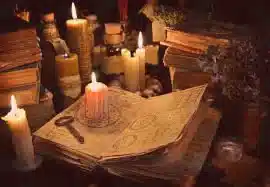 Witchcraft is very much alive today, although it looks different across cultures and communities. Many young people and elders alike are drawn to spells, candles, divination tools like tarot, and rituals connecting them to nature and spirit.
It is true some practices are misunderstood or commercialized, sometimes linked to games or trendy symbols. Still, many find authentic power in these traditions, using them for healing, comfort, and guidance.
Witchcraft moves with the times, shaped by individual experience and shared community. It continues to pass from generation to generation, surviving both suppression and skepticism.
Witchcraft itself is a tool—like fire or water. It can be used with good or ill intent. Many practitioners believe it requires respect and ethical consideration. Fear often comes from misunderstanding, so learning about real witchcraft helps dissolve those worries.
Can anyone become a witch?
Many believe witchcraft is open to those who feel called and willing to study and practice responsibly. It is a journey of learning—about oneself, nature, and spirit.
Do spells always work?
Spells focus intention and energy, but they are not a guarantee of specific outcomes. They work best when aligned with your true needs, done with care, and balanced with action.
By understanding its roots, respecting its power, and listening with an open heart, we can see witchcraft less as a vague fear and more as a meaningful, sometimes sacred way some live and grow.
Thank you for joining me in this reflection. If this conversation stirred your thoughts, do leave a comment or send a word to amiraasmodea@hotmail.com. Perhaps the mysteries you seek hold answers yet to be uncovered.
Blessed be.
What do we mean when we ask if witchcraft exists? In my experience, witchcraft is both a real, lived experience and a complex symbol woven into our culture, faith, and fears. For some, it is the craft of those who seek to work with unseen energies, herbs, and words. For others, it remains the stuff of legends and cautionary tales.
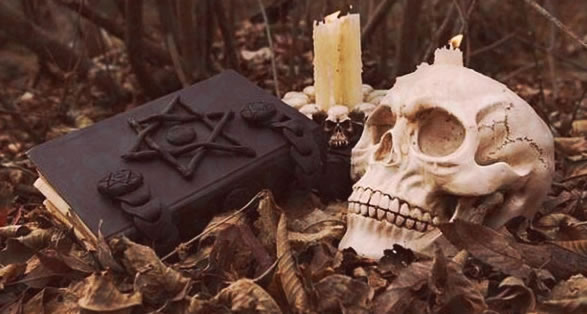
Why witchcraft?
People turn to witchcraft when they seek help beyond what seems possible with ordinary means. Whether to protect themselves, find love, heal wounds, or sometimes to influence others, the craft offers a language of symbols, rituals, and intention. In my experience, this spirit of reaching beyond the ordinary is at the heart of all magical practice.Traditionally, magic is a dialogue with the unseen — not necessarily “good” or “evil,” but a power to be used wisely or unwisely. Many practitioners believe that what you send out comes back, so intention and respect matter deeply.
If witchcraft exists, where does it come from?
The roots of witchcraft reach back to ancient times, long before it became tangled with religion. Cultures worldwide have practiced rituals connected to the cycles of nature, the moon, and the changing seasons. Some stories connect witchcraft’s popular image to opposition against dominant religious authorities, especially in Christian Europe, where gatherings called covens became linked with heresy and fear.Historic accounts describe witchcraft as a mix of many things: rituals, sacred herbs, chants in fading tongues, and symbolic acts. These practices have been misunderstood, maligned, or hidden through the centuries.
It’s important to separate fear and myth from direct experience. True witchcraft is not about devilish pacts or dark forces but about working with natural energies and spiritual awareness — yet I also understand why many traditions warn against careless use.
Superstitions about witches
Many tales have woven themselves into popular ideas about witches. Flying on broomsticks, turning into creatures, or sporting warts are colorful stories handed down more for entertainment or warning than truth.Such tales often stem from misunderstanding or fear of what was different or unknown. In truth, witchcraft is more commonly made up of quiet rituals — lighting candles, wrapping herbs, drawing symbols, or speaking blessings and intentions.
Does witchcraft work?
This is a question both simple and complex. In my experience, magic works as a means of focusing your mind, energies, and desire. Whether you believe you’re contacting spirits or shaping your own outlook, the process shifts your inner world — and sometimes, the outer world too.Many practitioners I know attest to a subtle but real effect, especially when spells or rituals are done with strong intent and respect. Remember, the mind is powerful and can influence perception and action in ways that feel magical.
Why do people become witches or wizards?
People are drawn to witchcraft for as many reasons as stars in the sky — from a search for personal power, healing, connection with nature, or spiritual awakening. Some feel called to explore mysteries beyond the visible world; others seek tools to influence their lives or help others.Traditionally, many religions view witchcraft differently. For example, the Bible describes magic as dangerous, warning against dealing with dark forces. Yet in many folk traditions, magic is also about healing, protection, and honoring the sacredness of life.
How to protect yourself from witchcraft
If fear of witchcraft troubles your heart, know that strength lies in faith, grounding, and clarity. Many spiritual traditions encourage prayer, protective rituals, and cleansing to feel safe.Simple acts—like burning sage or palo santo, carrying protective herbs such as rosemary or basil, or setting clear personal boundaries—can weave a shield around your spirit. So too does love and light; holding on to kindness can dispel many shadows.
If you feel there is a negative influence around you, seeking prayer or blessings, or speaking to a trusted spiritual guide can be soothing. Remember, the best defense is harmonious living and gentle strength.
How were witches punished in history?
Sadly, history tells us that fear often becomes cruelty. Those accused of witchcraft were subjected to harsh punishments — from public trials filled with suspicion to torture and execution. This dark chapter reflects fear, misunderstanding, and sometimes darker motives of power.Understanding this history reminds us to treat others with compassion and not repeat the mistakes of the past. Most witches today practice peacefully, honoring nature and healing.
Is there witchcraft today?
It is true some practices are misunderstood or commercialized, sometimes linked to games or trendy symbols. Still, many find authentic power in these traditions, using them for healing, comfort, and guidance.
Witchcraft moves with the times, shaped by individual experience and shared community. It continues to pass from generation to generation, surviving both suppression and skepticism.
Some questions readers often ask
Is witchcraft evil or dangerous?Witchcraft itself is a tool—like fire or water. It can be used with good or ill intent. Many practitioners believe it requires respect and ethical consideration. Fear often comes from misunderstanding, so learning about real witchcraft helps dissolve those worries.
Can anyone become a witch?
Many believe witchcraft is open to those who feel called and willing to study and practice responsibly. It is a journey of learning—about oneself, nature, and spirit.
Do spells always work?
Spells focus intention and energy, but they are not a guarantee of specific outcomes. They work best when aligned with your true needs, done with care, and balanced with action.
Conclusion
Witchcraft dances on the border of myth and reality, shadow and light. From ancient ritual to modern practice, it continues to be a potent and personal path for many.By understanding its roots, respecting its power, and listening with an open heart, we can see witchcraft less as a vague fear and more as a meaningful, sometimes sacred way some live and grow.
Thank you for joining me in this reflection. If this conversation stirred your thoughts, do leave a comment or send a word to amiraasmodea@hotmail.com. Perhaps the mysteries you seek hold answers yet to be uncovered.
Blessed be.
Bibliography
- Doreen Valiente. An ABC of Witchcraft Past and Present. Robert Hale, an imprint of The Crowood Press, 1999. ISBN 9780719826917.
- Buckland, Raymond. Buckland's Complete Book of Witchcraft. Llewellyn Publications, 1986. ISBN 9780875420509. Source.
- Gerald Gardner. The Meaning of Witchcraft. Aquarian Press, 1982. ISBN 1950506789. Source.
- Gardner, Gerald. Witchcraft Today. Rider & Company, 1954. Source.
- Zambelli, Paola. White Magic, Black Magic in the European Renaissance: From Ficino, Pico, Della Porta to Trithemius, Agrippa, Bruno. Studies in Medieval and Reformation Traditions, vol. 125, Brill, 2007, x + 282 pp. ISBN 978-90-04-16098-9. Cambridge Core. Google Books.