Magic and Shamanism
Welcome, dear seeker. I’m Amira Asmodea, here to walk with you through the misty realm where magic and shamanism entwine like ancient roots beneath the earth. Shamanism, often misunderstood in stories and films, is much richer and gentler than the shadowy figures we sometimes see portrayed on screen. Let me share what I have learned and witnessed about this sacred path—one that dances with spirits, healing, and the invisible forces that shape our world.
What Is Shamanism, Really?
You may have seen films or heard tales where a 'shaman' or 'medicine man' appears dressed in beads, feathers, and a flair for the dramatic—sometimes cast as a dark or fearsome figure. But in my experience, true shamanism isn’t about fear or power over others. It is a profound set of ancient beliefs and practices focused on healing, both body and spirit, and understanding the unseen energies that influence our lives.
Many practitioners believe that shamans are guides who journey to different levels or "planes" of existence—realms beyond ordinary sight—to seek wisdom, balance, and healing for their communities. They may travel in spirit form, sometimes called the "astral plane," to visit places where time, past, and future unfold differently. This sacred travel helps them interpret dreams, gain insight about illnesses, and understand messages from the natural world.
Let us be clear: shamanism is not a religion on its own. Instead, it is more like a spiritual approach, a way of interacting with the world’s hidden energies. Shamans appear in many cultures and faiths, each weaving their practices into the fabric of local beliefs.
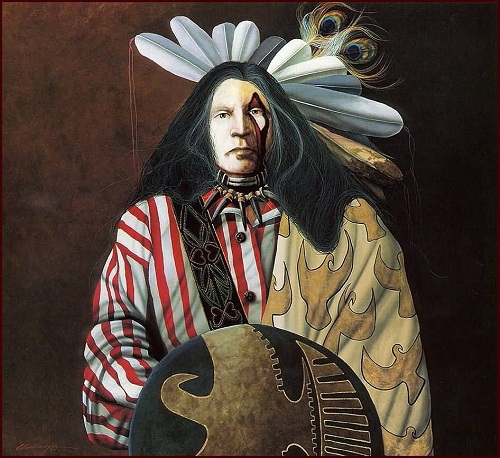
The foundation is the belief that our visible world is only part of the story. Invisible forces move beneath the surface, influencing health, fortune, and life itself. Shamans tap into these currents through personal experience—gained often through trials, vision quests, or even moments considered by outsiders to be madness, but for shamans, these moments can be a spiritual calling.
How Do Shamans Come to Their Role?
Across the globe, different cultures tell varied stories about how someone becomes a shaman. In some traditions, the gift is inherited—passed down through family lines like a secret song learned in childhood. In others, a person is chosen by the spirits, often revealed through dreams, signs, or intense spiritual experiences, like what western doctors might call psychotic episodes.
In certain Siberian tribes, for example, such episodes are interpreted as a summons from the spirit world compelling the individual to accept the role of shaman. Elsewhere, seekers might embark on a "vision quest," a deliberate journey of solitude and prayer intended to make contact with the spirit world and receive guidance.
Regardless of how the calling comes, the shaman’s work always involves forming a close relationship with spirits—whether those of ancestors, animals, plants, or the elements. These guide spirits become helpers in navigating the unseen realms and assisting the shaman’s community.
A Shaman’s Healing Arts
Though shamanic healing is deeply spiritual, it often includes natural remedies and physical practices. Shamans might use herbs, roots, and plants—not just as medicine but as teachers. It is said that shamans learn not only the effects of the plants but also their "spirit," communicating with these spirits and asking permission before harvesting them.
Sometimes healing involves the shaman entering the patient's body soulfully—locating lost or troubled parts of the spirit and returning them to wholeness. These healing journeys are delicate and require skill, courage, and deep respect for all lives involved.
The Many Faces of a Shaman
As we travel through stories and cultures, we find three broad kinds of shamans: those who heal, those who can cause harm, and those who do both. This dual possibility adds to the shaman’s profound authority—and why communities both revered and sometimes feared them.
One thing is sure: the path is not for the faint of heart. Shamans face the spirit world’s challenges and dangers—mysterious traps, confusing visions, and the risk of losing oneself in liminal spaces between worlds. Their lives demand bravery, wisdom, and a love for the mystery that is existence itself.
Questions readers often ask
Is shamanism the same as witchcraft?
They’re related but not identical. Witchcraft often involves working with magical tools and spells, including herbs, candles, and sigils—as many good witches do. Shamanism focuses more on the relationship with spirit guides and healing journeys beyond the physical realm. Yet, many modern practitioners blend elements of both in their personal practice.
Can anyone become a shaman?
Traditionally, becoming a shaman involves a calling or a deep spiritual experience. Many cultures believed it cannot be purely learned like a craft but must be accepted as a gift or responsibility from the spirit world. Today, some engage in shamanic practices through study and guided initiation, but the true depth often comes from inner transformation and connection beyond the self.
How does shamanism relate to magic?
Magic can be understood as the art of influencing unseen forces to bring about change. Since shamanism works closely with invisible energies and spirit realms, it’s deeply magical. Shamans are often considered among the original magic-workers, using their journeys and knowledge to heal, protect, and guide.
I hope this glimpse into magic and shamanism has stirred your heart and curiosity. There is always more to discover when we listen to the whispers between the worlds. Feel free to wander further into these mysteries with me here at Amira Asmodea’s space for magical wisdom.
Keep looking, keep feeling, and may your journey be rich with unexpected grace.