Mayan rituals
Welcome, seeker of sacred knowledge. I am Amira Asmodea, your guide through the magical and mysterious paths of old and new traditions. Today, we turn our gaze to the ancient world of the Maya—those brilliant keepers of the sun and stars—whose ritual life was a delicate dance between the earthly and the divine. Their ceremonies are windows into a time when every day was a blessing, and every cycle of life was honored with deep respect and connection.
Mayan rituals. Mayan civilization is renowned for its elaborate and profound religious ceremonies. These were not mere traditions but the very heartbeat of Mayan existence. In my experience and from what many practitioners believe, ritual is the way we weave the sacred into our daily lives, and for the Maya, this weaving was intricate and intense.
The Maya believed deeply in the power of blood—both as a physical essence and a spiritual offering. Blood was seen as a sacred gift, a bridge between humans and gods. Their rulers, the Kings, performed rites at every significant milestone—births, marriages, wars, political shifts, and religious celebrations—marking the beginning and end of important cycles in their complex calendar. For the ancient Maya, life and death were punctuated by ceremony, each occasion a portal to the divine.
Among the most sacred forms of blood offering were the piercing of ears and tongues. Piercing the ears was a way to open oneself to the whispers and revelations of the gods—inviting their wisdom and guidance. The piercing of the tongue was said to empower speech, enabling those who sacrificed to speak truths heard from the spiritual realm. This intertwining of physical pain and spiritual connection is a practice that, even now, can offer deep symbolic meaning to ritual workers.
We must not shy away from the more difficult aspects that the Maya are known for, such as human sacrifice. These acts were performed in solemn homage to the divine and the balance of the world, rather than from cruelty. Ancient artifacts like the pictorial texts known as codex give us a glance into the ceremonial heart of the Maya, where such offerings played a role in maintaining cosmic harmony.
Mayan rituals
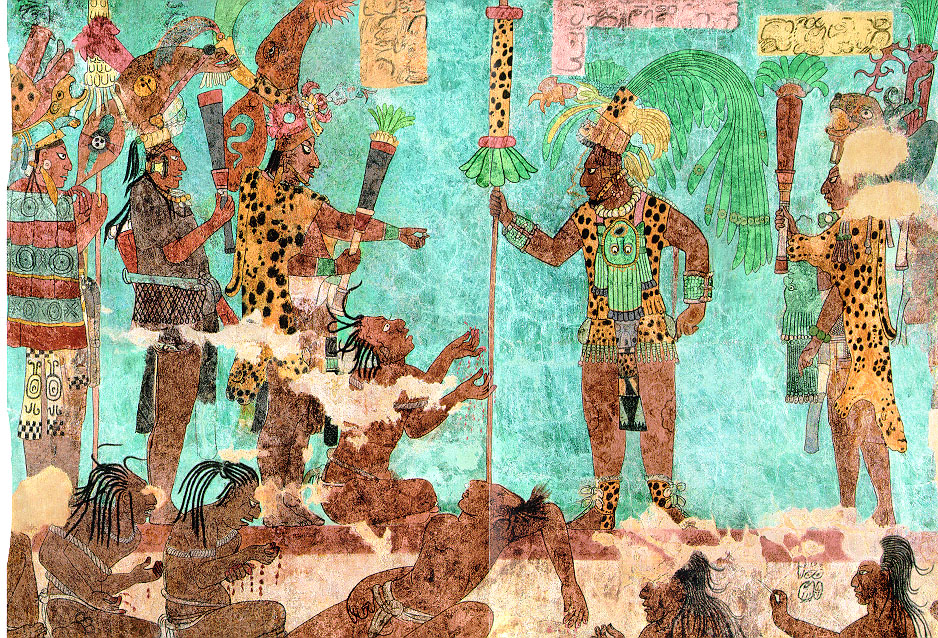
The Maya performed a range of rituals intended to satisfy the gods and keep the world in order. These ceremonies aligned with the cycles of nature and the cosmos, blending the earthly with the spiritual. From divination and marriage to birth rites, each ritual reflected a different facet of their understanding and respect for life’s rhythms.
One notable aspect is the use of various substances, including natural drugs and fermented beverages, during these ceremonies. These were not consumed recklessly but served as sacred tools to enter trance states or visions, allowing the practitioner to commune with spirits or foresee the future. The intoxication was a vessel for divination—a way to glimpse the hidden causes behind misfortune, illness, or changing weather patterns.
Death rituals
The Maya revered life and respected the mysteries of death with profound care. Their view of death was neither bleak nor fearful but intricately woven with hope and judgment. They believed in an afterlife paradise reserved for those who died honorably—particularly those lost in battle or childbirth, considered noble passages—who ascended directly to the heavens.
Those who passed otherwise faced a spiritual journey in search of the paradise beyond, reflecting the universal narrative of the soul’s voyage. Those who lived selfishly or committed grave sins were believed to descend to Xibalba, the Maya’s underworld. This complex vision of the afterlife reflects a morality infused deep in their spirituality and community life.
Blood rituals
Among their many rituals, the shedding of blood was a sacred act meant to communicate directly with the gods and ancestors. Bloodletting ceremonies were precisely timed to correspond with the turning points of the Mayan calendar cycles, symbolizing renewal and the sustaining of cosmic balance.
These ceremonies could also coincide with the enthronement of a King, the dedication of new structures, or personal milestones in the lives of royalty and commoners alike—birthing, marriage, death, and war all marked by ritual blood offerings. This practice underlines a present belief held by many: that sacrifice is not about loss alone, but about connection and transformation.
To perform these rites, the Maya used sharp instruments crafted from obsidian, thorns, carved bones, and knotted cords, carefully selecting each tool for its spiritual and practical purpose. Blood was collected with delicate bark-paper, then burned with fragrant copal incense, sending prayers and offerings upward through the smoke. Containers made from ceramic or woven baskets would hold the precious blood, treated with reverence as a precious spiritual gift. Tools and fabrics were thoughtfully gathered and transported, emphasizing the care and mindfulness invested in every ritual act.
Questions readers often ask
Why did the Maya value blood so highly in their ceremonies?
Blood, for the Maya, was considered the essence of life itself. It was a sacred offering, a way to nourish the gods and maintain harmony between the earthly and divine realms. Many spiritual traditions, including some modern practices, recognize the power of blood or symbolic offerings in rites of passage and connection.
Are there aspects of Mayan rituals that modern witches can adapt?
Absolutely. The Mayan respect for natural cycles and their use of focused intention through ritual tools and offerings resonates with many contemporary practitioners. Honoring transitions—birth, marriage, death—with ceremony, working with natural substances such as herbs and incense, and inviting spiritual guidance through divination or trance are all relevant practices today.
How can understanding Mayan death rituals deepen my own spiritual practice?
Reflecting on the way the Maya viewed death as a journey rather than an end can shift your perspective on mortality. It encourages acceptance, reverence for ancestors, and a deeper appreciation for the cycle of life. Incorporating this understanding into personal ritual can bring comfort and meaning.
May the teachings from the ancient Maya inspire you to find your own sacred rhythms and honor the cycles that weave through your life. Keep exploring, keep questioning, and above all, trust the magic of connection you carry within.
Here concludes this reflection on Mayan rituals. I invite you to continue browsing through this space for more spells, rituals, and wisdom to support your own sacred journey.