The Mind's Eye Tarot
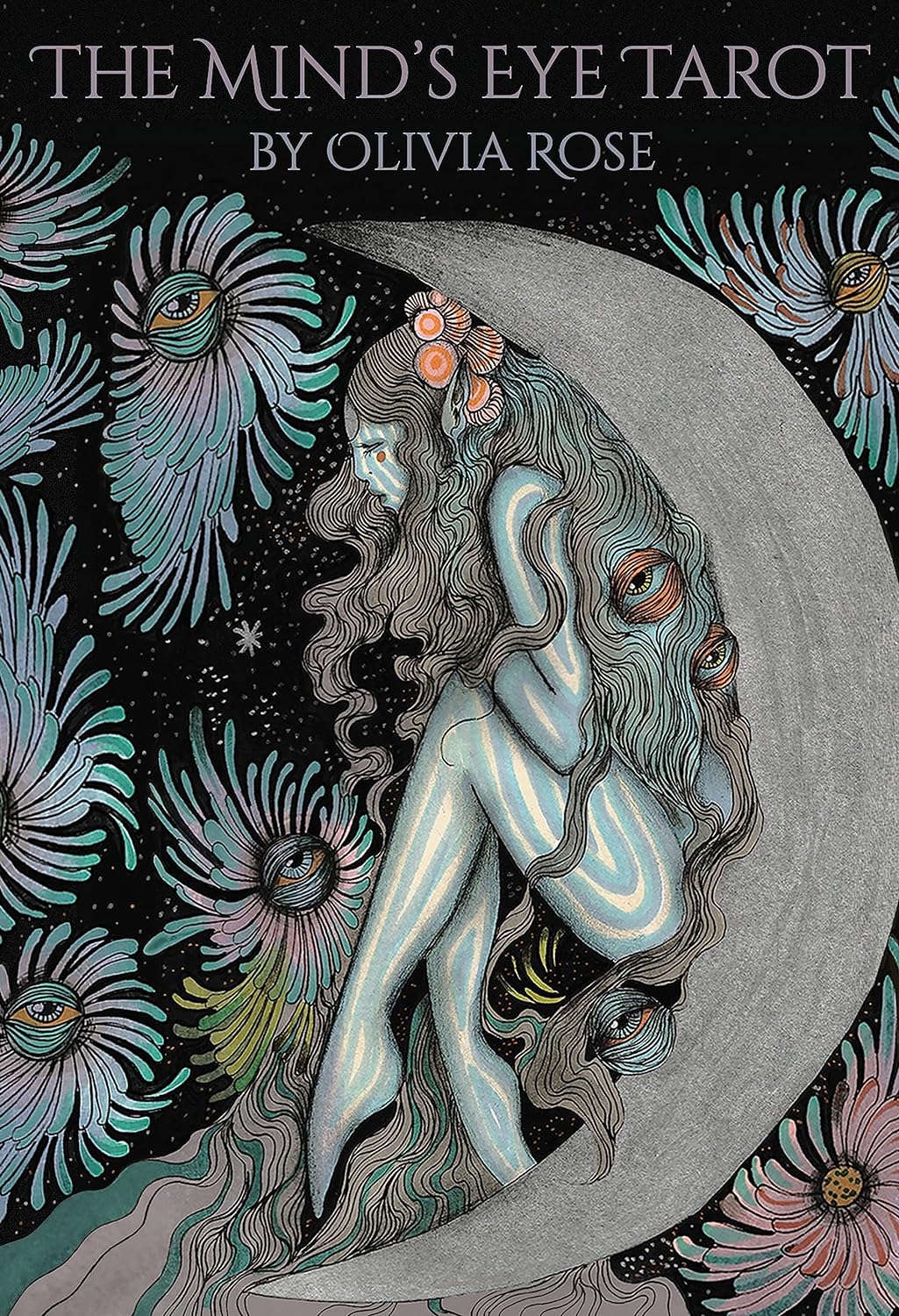
Greetings, dear seeker. I’m Amira, here to gently guide you on a journey where art and spirit intertwine in The Mind’s Eye Tarot. This deck is not just a tool for divination—it’s a heartfelt invitation to follow your imagination as your wisest guide. In my experience, tarot shines brightest when we allow ourselves to feel the cards, rather than simply analyze their symbols, and this deck especially encourages that soulful approach.
What is The Mind’s Eye Tarot?
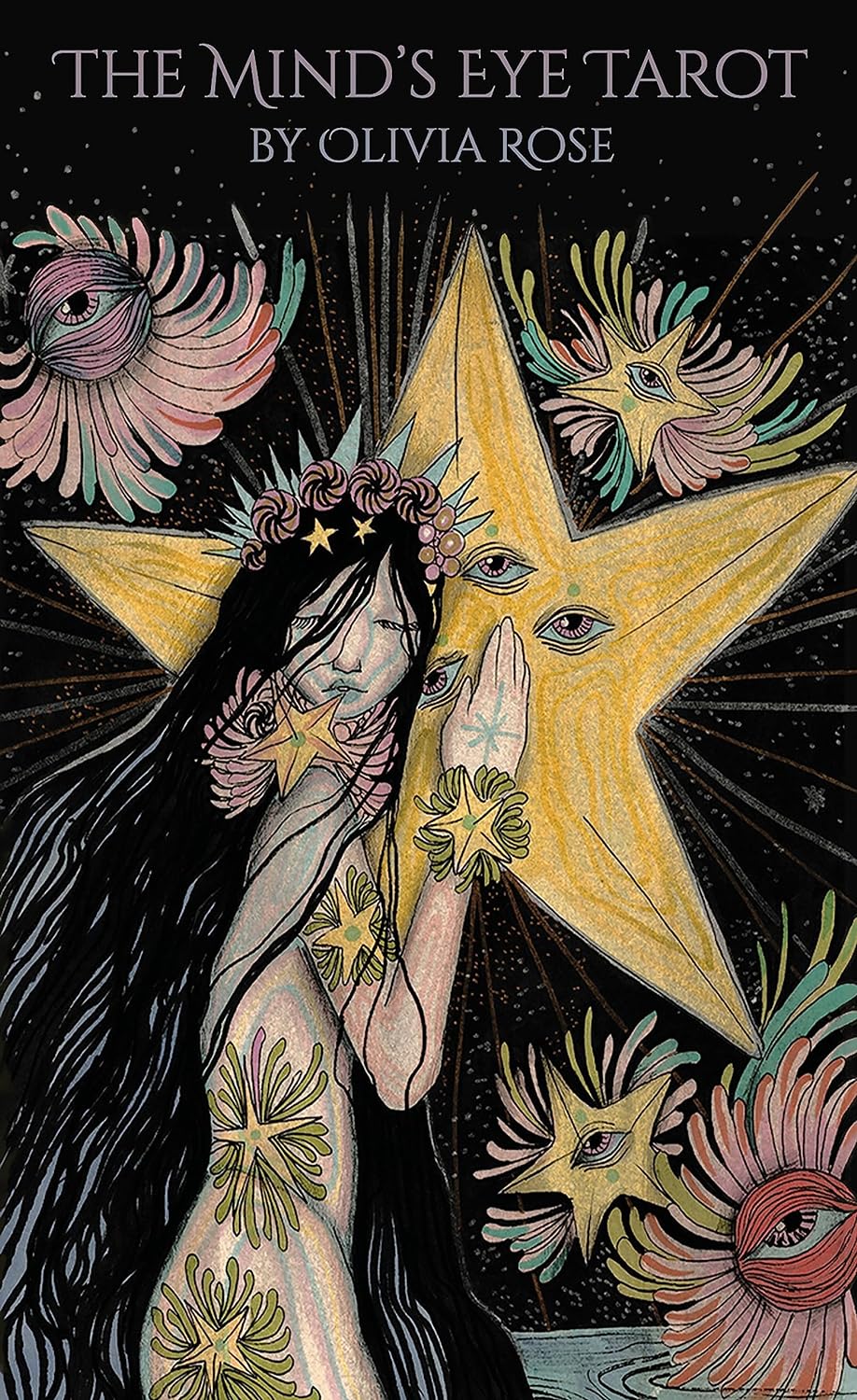
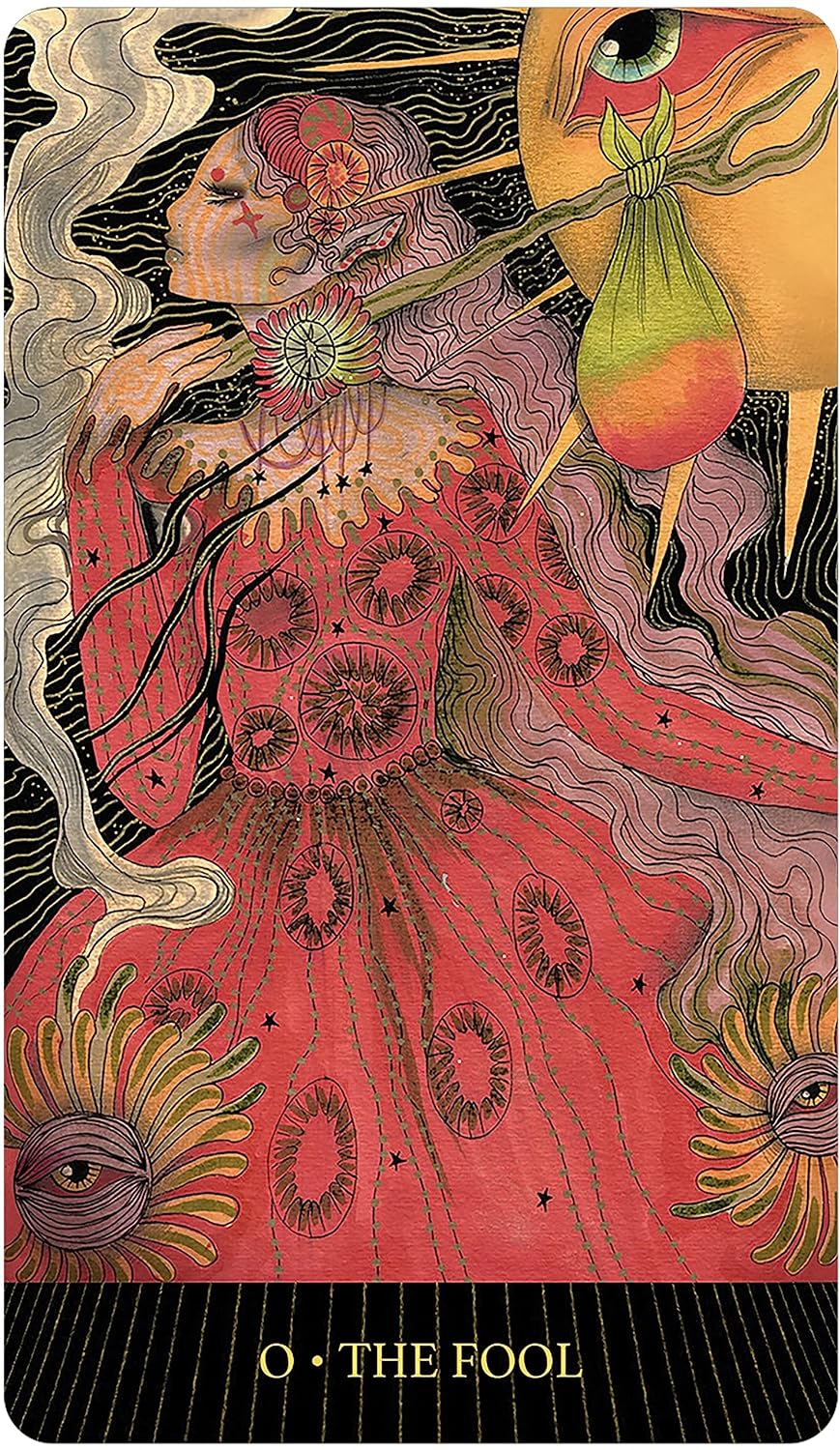
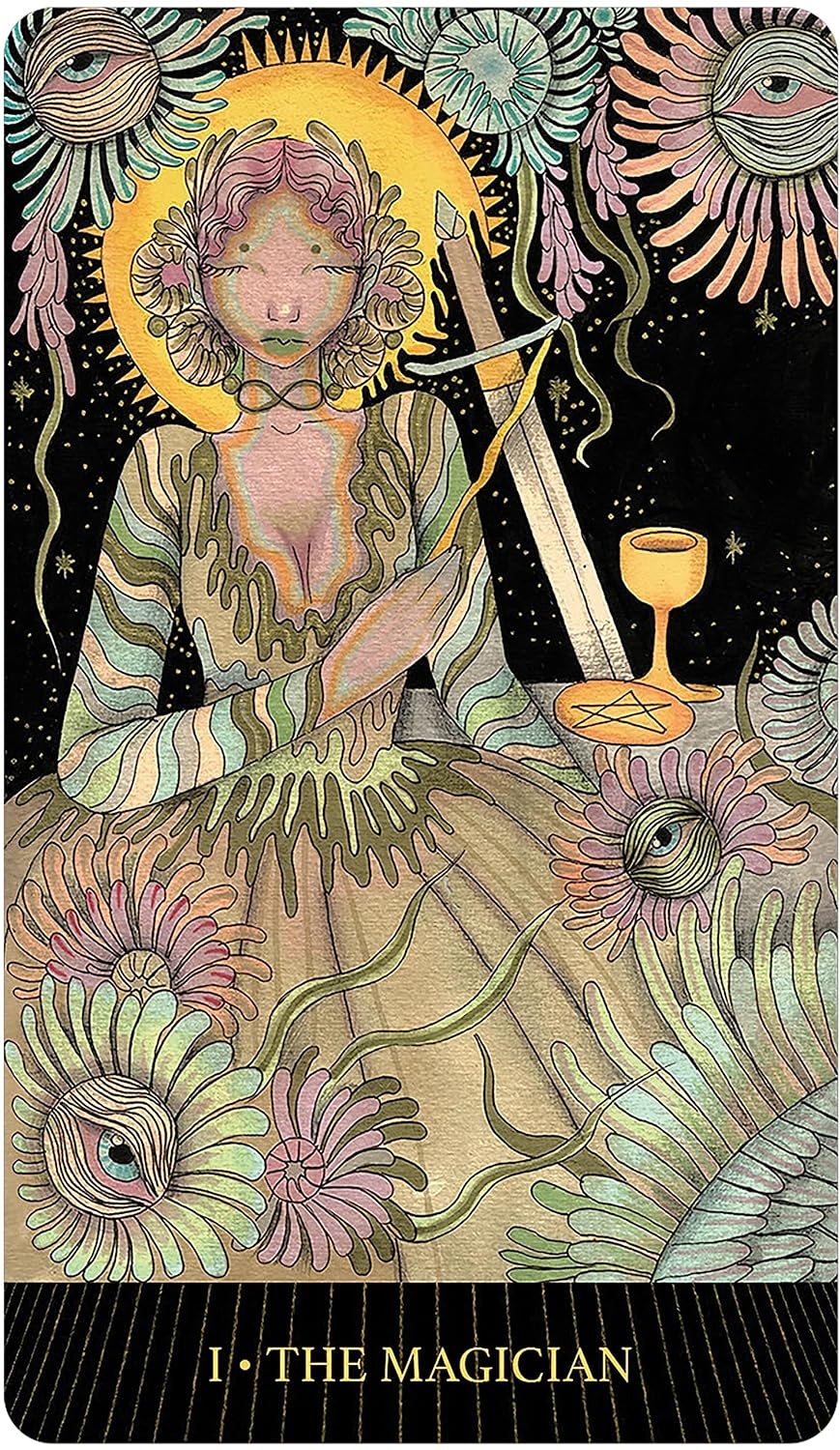
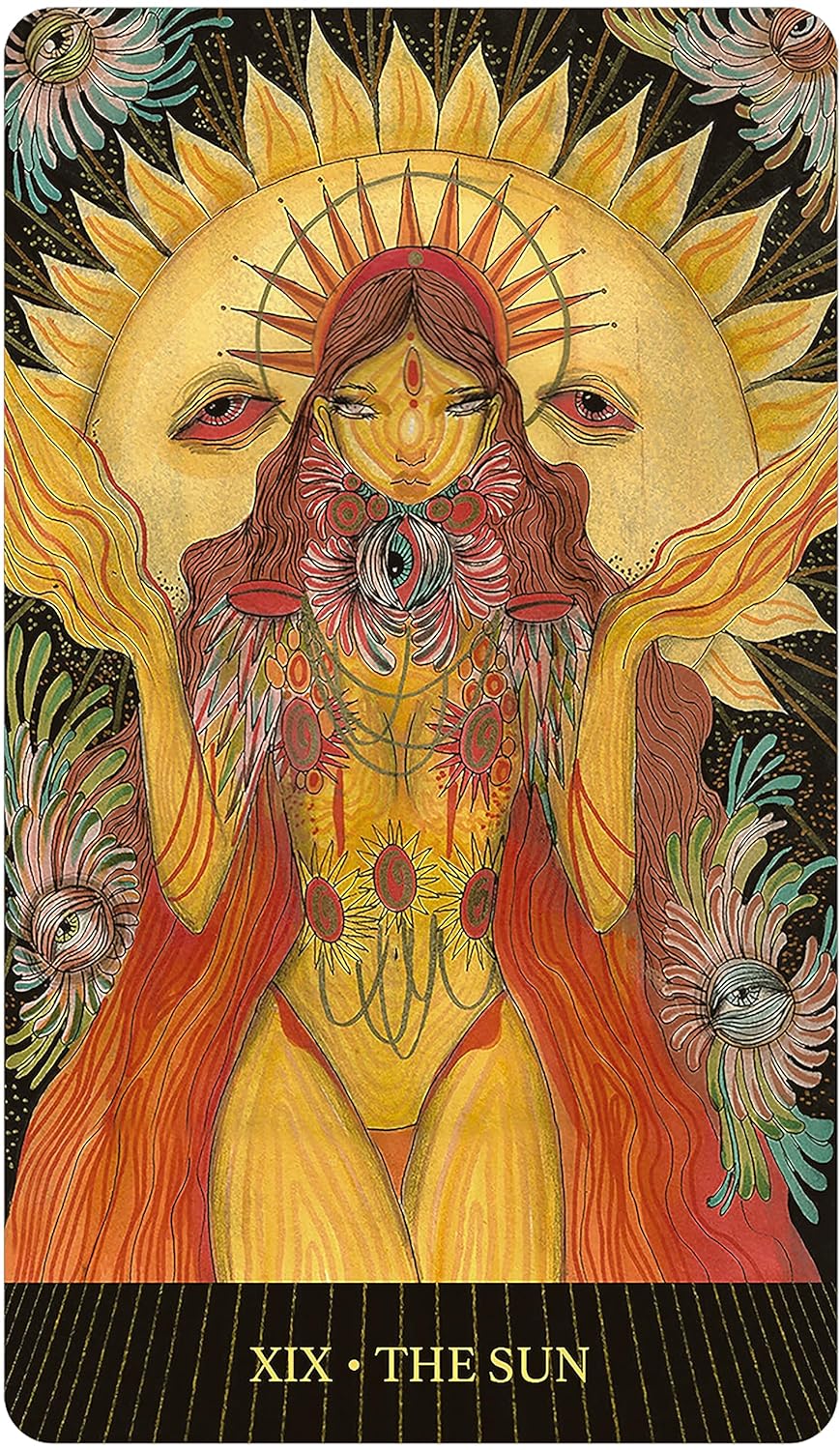
Created by Olivia Rose, The Mind’s Eye Tarot stands apart with its lush, tactile beauty, blending tea-stained paper and delicate gold ink to create images that seem to come alive. What speaks to me most is how this deck invites you to sink into your own emotions and intuition to unravel the stories these cards tell. Unlike many decks with borders and rigid frames, these 78 borderless cards feel endless—like an open window into the subconscious where your mind’s eye roams free.
The deck comes with a 172-page illustrated guidebook, beautifully written and easy to understand, which supports both beginners and seasoned readers alike. It helps you navigate the symbolism and subtle messages that arise from the cards, letting you develop your own personal relationship with them over time.
How does this deck encourage intuitive tarot reading?
Traditionally, tarot can sometimes feel like learning a new language—packed with symbols, suits, and archetypes that may seem overwhelming at first. But Olivia Rose’s artwork gently unravels these complexities by inviting you to experience each card through feeling rather than strict interpretation. Each card acts as a mirror, reflecting aspects of your inner world, emotions, and desires, nudging you to speak your own truth rather than relying solely on textbook meanings.
Many practitioners believe that when we engage our imagination—the mind’s eye—it opens a door to deeper wisdom and personal insight. This deck’s borderless style creates a sense of unfolding potential, reminding us that intuition isn’t confined by rules or rigid definitions. Use this as a daily meditation tool, a prompt for journaling, or a way to explore your dreams.
Practical ways to connect with The Mind’s Eye Tarot
In my practice, I’ve found a few simple ways to deepen your connection with this deck. First, take time to simply look at a card without rushing to interpret it. Notice colors, shapes, emotions evoked. Trust what stories come naturally to mind. With The Mind’s Eye Tarot, these impressions are just as important as traditional meanings.
Try journaling with the cards. Pull one each morning and write a few sentences or a poem about what it stirs within you. This ritual gently awakens your spirit and sets a tone for the day. You can also use the cards in spell work or ritual to clarify intentions around love, protection, or prosperity by inviting their imagery to inspire your focus.
The spiritual significance beneath the images
The use of tea in Olivia Rose’s mixed media artwork adds a layer of warmth and antiquity—almost like holding a relic from a past life or a whispered memory from your ancestors. This speaks to the timeless nature of tarot itself, weaving together the past, present, and future in every reading.
The gold ink embellishments shimmer like hidden treasures within your psyche, encouraging you to seek the light even when exploring shadowy parts of your spirit. Tarot, at its core, is a dance of opposites—joy and sorrow, light and dark, known and unknown. The Mind’s Eye Tarot invites you into this dance with gentle hands and an open heart.
Questions readers often ask
Is The Mind’s Eye Tarot suitable for beginners?
Absolutely. Its intuitive, borderless style encourages readers new and experienced to lean on their feelings and personal impressions as much as, if not more than, traditional memorization.
Can I use this deck for professional readings?
Yes, many tarot professionals appreciate how the art prompts deep inner work, allowing for readings rich in empathy and creative insight. The accompanying guidebook provides solid foundation too.
Why are the cards borderless?
The lack of border expands the visual space of the image, inviting your imagination to wander beyond edges, making each card feel open and alive—a symbol of infinite interpretive potential.
How should I care for these delicate cards?
Due to their tea-stained paper and gold ink, handle gently and consider storing them in a soft cloth or box away from moisture and sunlight to preserve their magic.
In embracing The Mind’s Eye Tarot, you hold more than a deck—you hold a portal into your inner landscape, an artistic dance that intertwines light, shadow, and the shimmering threads of intuition. I invite you to explore this beautiful, inspiring deck, letting it deepen your tarot journey in unexpected and joyful ways.
You can also keep exploring tarot with these free tools:
Thank you for sharing this moment with me. Take this gentle deck into your hands, and let your inner voice guide you through its enchanting images. May your tarot readings be rich with personal meaning and tender insight. Until next time, keep your mind’s eye open—you never know what magic you’ll discover.
Bibliography
- Waite, Arthur Edward. The Pictorial Key to the Tarot. William Rider & Son, 1911. Original edition 1910. Sacred Texts. Source.
- Pollack, Rachel. Seventy-Eight Degrees of Wisdom: A Tarot Journey to Self-Awareness. 40th anniversary hardcover gift edition, Red Wheel Weiser, 2020. Original edition 1980. ISBN 9781633412224. Source.
- Decker, Ronald, Thierry Depaulis, and Michael Dummett. A Wicked Pack of Cards: The Origins of the Occult Tarot. St. Martin's Press, 1996, 308 pp. ISBN 978-0-312-16294-8. Google Books.
- Knight, Gareth. A History of White Magic. Illustrated reprint, Skylight Press, 2011, 207 pp. ISBN 9781908011046. Google Books.
- Waite, Arthur Edward. The Book of Ceremonial Magic. William Rider & Son, 1911. Source.