The Most Important Spells Throughout History by Amira Asmodea
Welcome, seeker of mysteries, to a journey that spans centuries and civilizations. I’m Amira Asmodea, and it’s a pleasure to share with you a glimpse into The Most Important Spells Throughout History. This isn’t just a catalogue of words and ingredients; it’s a living story of magic that has echoed through time, shaping worlds and souls alike.
Spells, in their essence, are threads woven into the fabric of human experience, emerging from a desire to connect with forces beyond the visible, to heal, protect, and transform. In my experience, understanding the roots of these spells enriches our practice and grounds our intentions in the deep soil of tradition.
A Quick Dive: What Are the Most Important Spells in History?
If I were to speak directly, the spells that resonate most strongly across history share common themes—protection, love, prosperity, healing, and divination. These are the pillars of human longing and survival.
Take, for example, ancient Babylonian incantations aimed at warding off evil spirits or medieval European enchantments crafted to secure fertility or safe childbirth. These spells were not random utterances, but carefully shaped rituals believed to align human will with unseen forces.
Many cultures believe that the power of a spell lies not just in its words but also in the context: the timing, the materials, and the faith of the caster. This layered magic invites the practitioner into a sacred dance with the universe itself.
Understanding the Past to Enchant the Present
Each spell in this collection comes with a story, a cultural backdrop, and instructions respectful of origin and tradition. This helps us see magic as a bridge—between people and gods, the visible and invisible, the past and now.
For example, Babylonian protection rites, often steeped in symbolic imagery and sacred names, teach us about the human need to create boundaries and define safe spaces. When you light a protective candle or draw a sigil today, you’re performing a ritual echoing those ancient aspirations.
Similarly, medieval European charms, frequently blending herbal lore and Christian symbolism, reveal how magic adapted alongside shifting beliefs and social landscapes. Understanding this evolution can inspire practitioners to craft rituals that feel authentic and deeply rooted.
Practical Wisdom from the Ancients
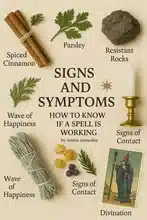
In my years of study and practice, I’ve found that the greatest spells provide not only an invitation to the mystical but also simple, practical guidance. For instance, the use of herbs in spellwork connects us to the earth’s healing energies. Rosemary for remembrance, lavender for peace, cinnamon for prosperity—these associations have survived because they work on several levels.
When you light a candle during a spell, you’re activating transformation; fire changes matter, consumes negativity, and brings light into darkness. The candle’s color and scent add layers of meaning, inviting specific energies to join your rite.
Divination is another pillar of spellcraft. Historically, oracles, seers, and wise women used tools like runes, tarot cards, and scrying mirrors to glimpse the unseen. Today’s practitioners cherish these tools not just for prediction but to connect with intuition and inner wisdom.
Questions Readers Often Ask
Do I need special ingredients to perform these historical spells?
Not necessarily. In many cases, the power of the spell comes from intention and mindful action rather than exotic materials. While traditional ingredients add authenticity and symbolism, practitioners today adapt with what’s available or meaningful.
Can modern practitioners connect with these old spells without religious conflict?
Absolutely. Spells are often layered with the beliefs of their time, but their core is universal human desire—health, safety, love, abundance. Many witches tailor practices to honor personal spirituality, blending the old with their own path.
Are there risks in engaging with such ancient magic?
In my experience, respect for the traditions and a clear heart are the best safeguards. Magic reflects our intention, so approaching it with humility and care fosters a positive practice.
Aesthetic and Atmosphere: More Than Words on a Page
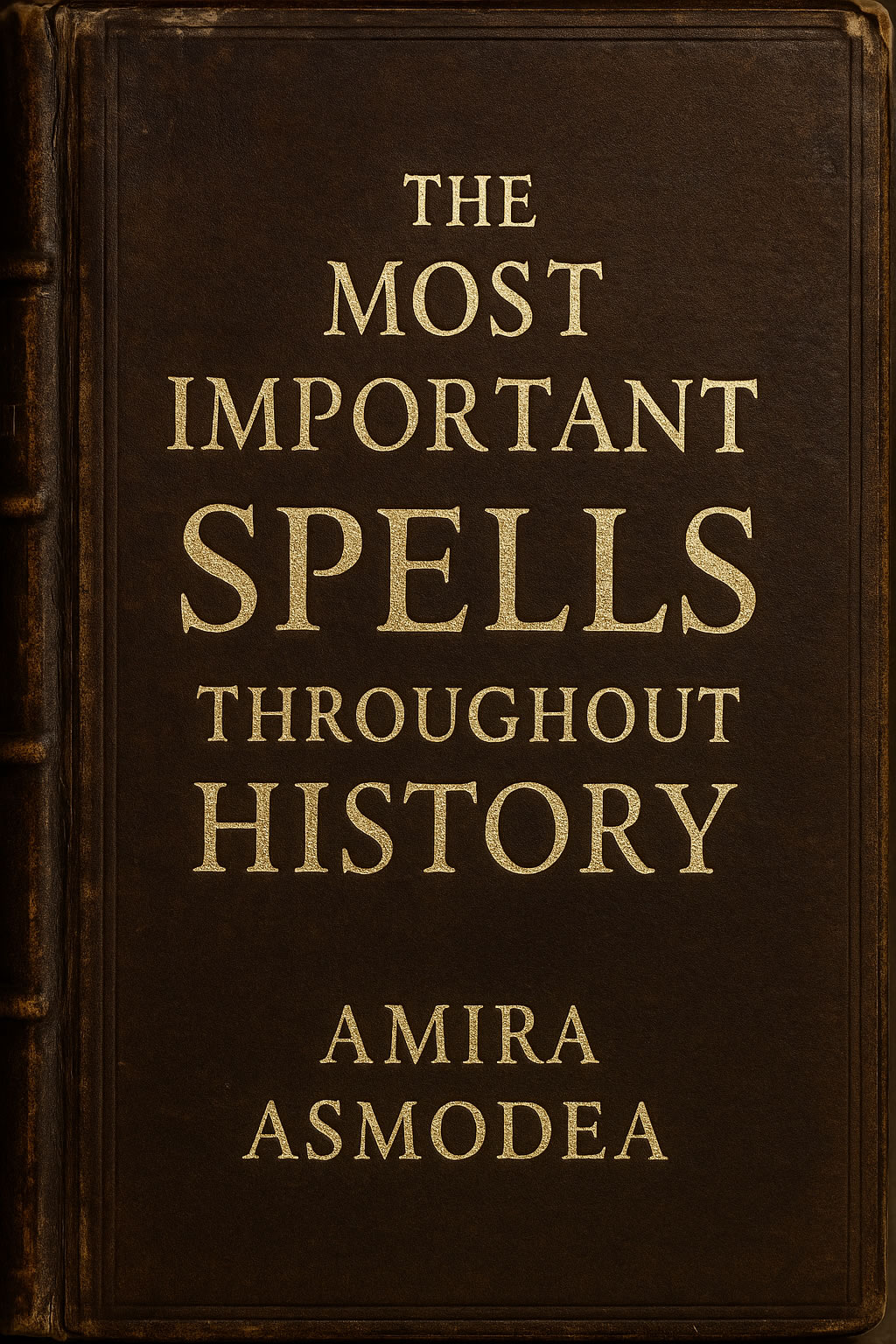
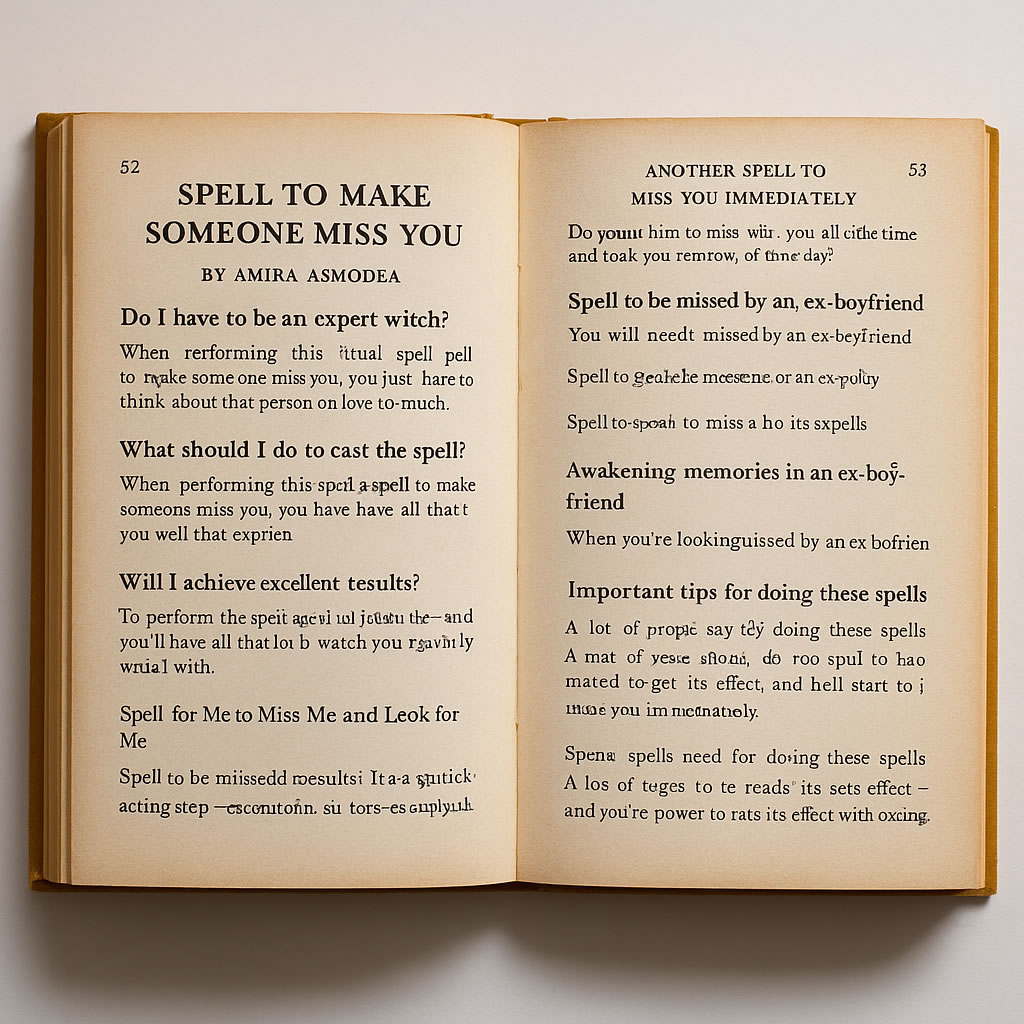
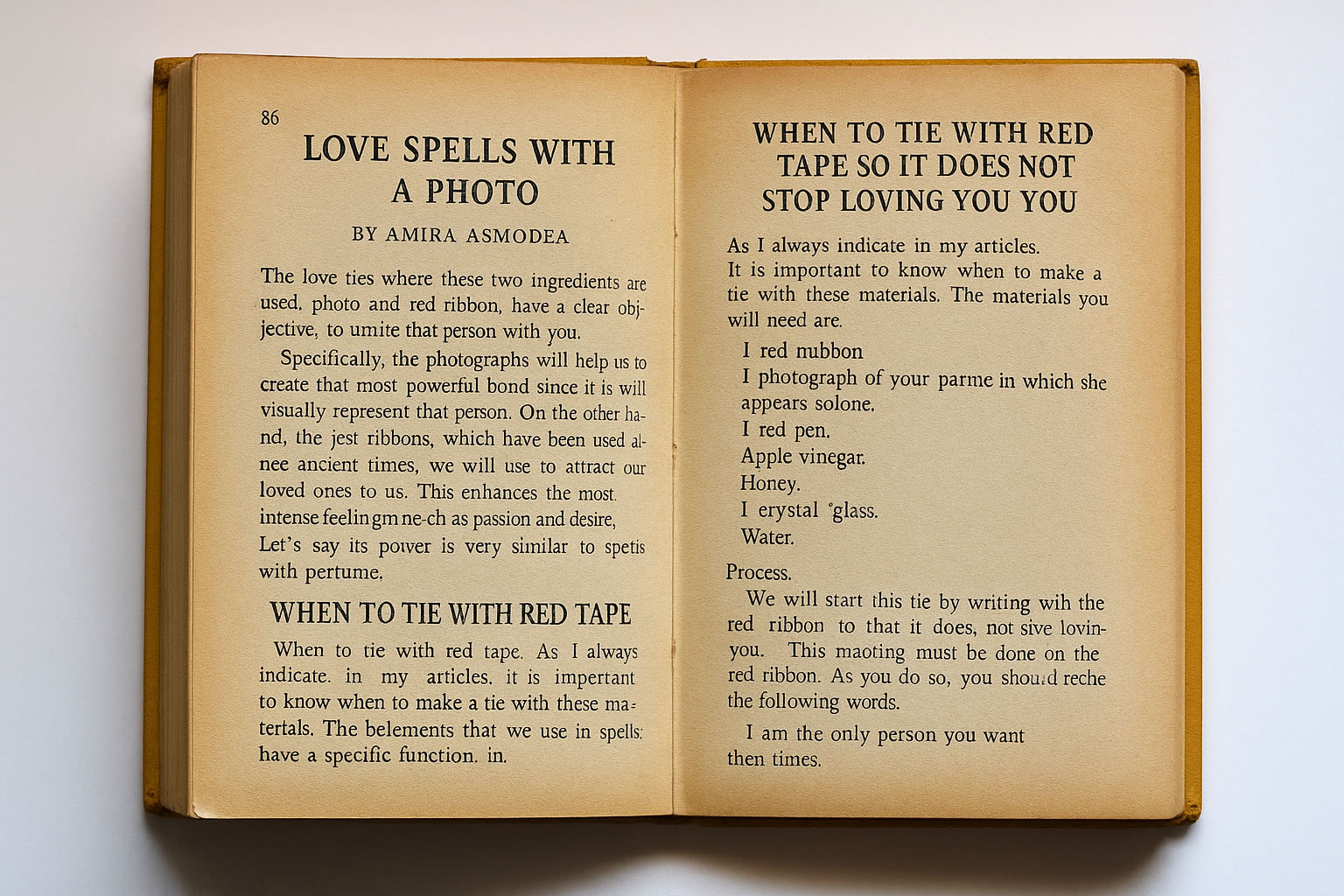
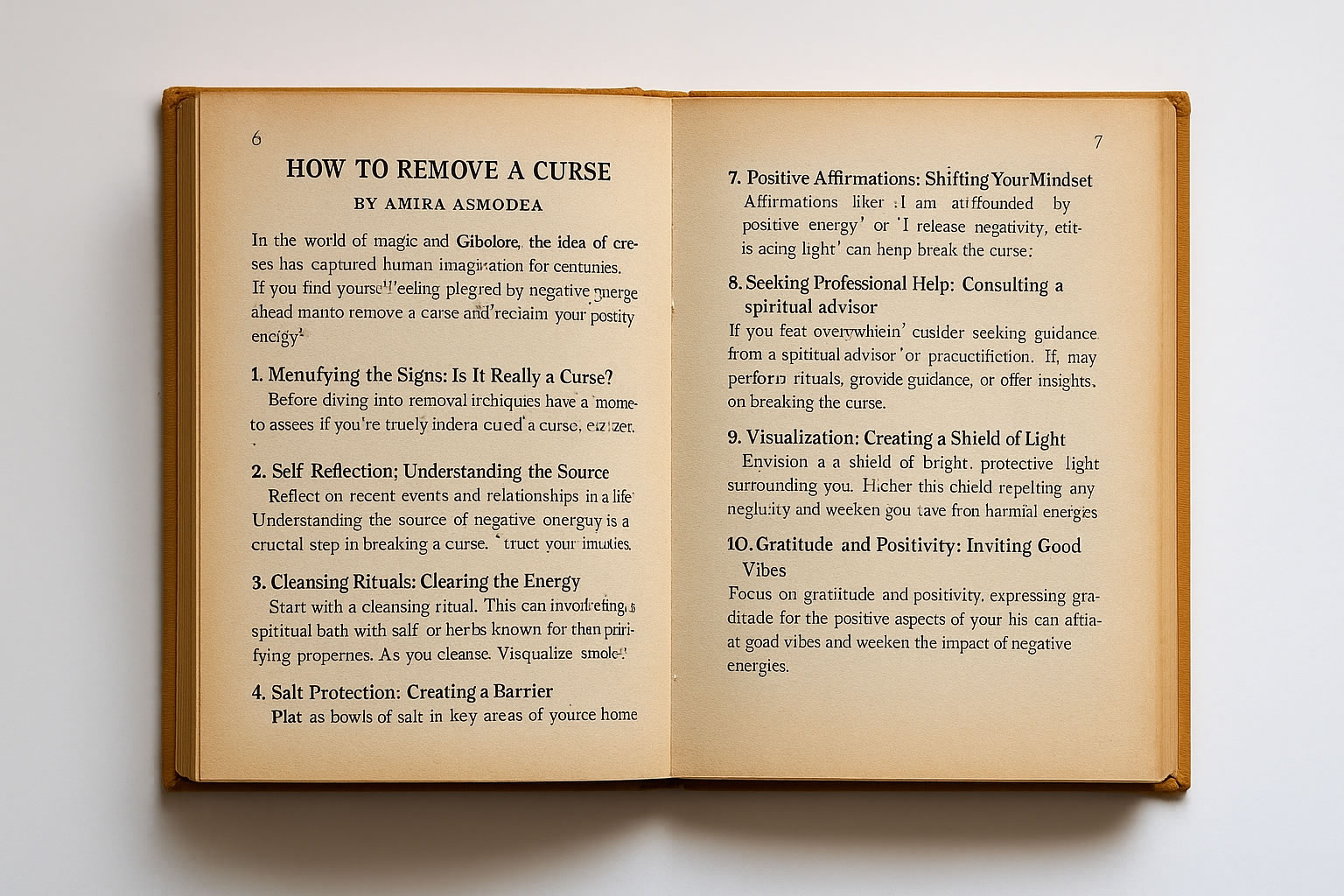
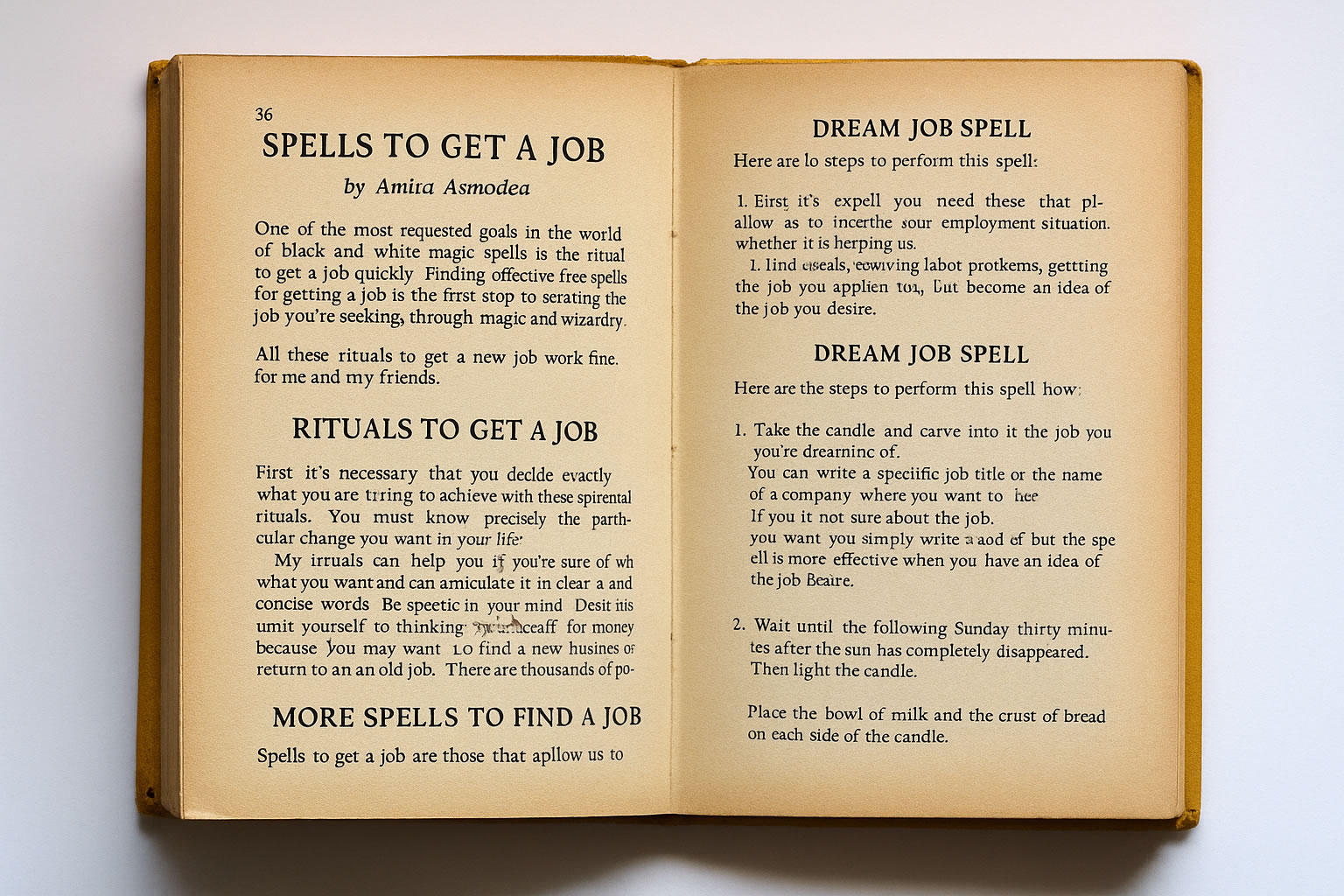
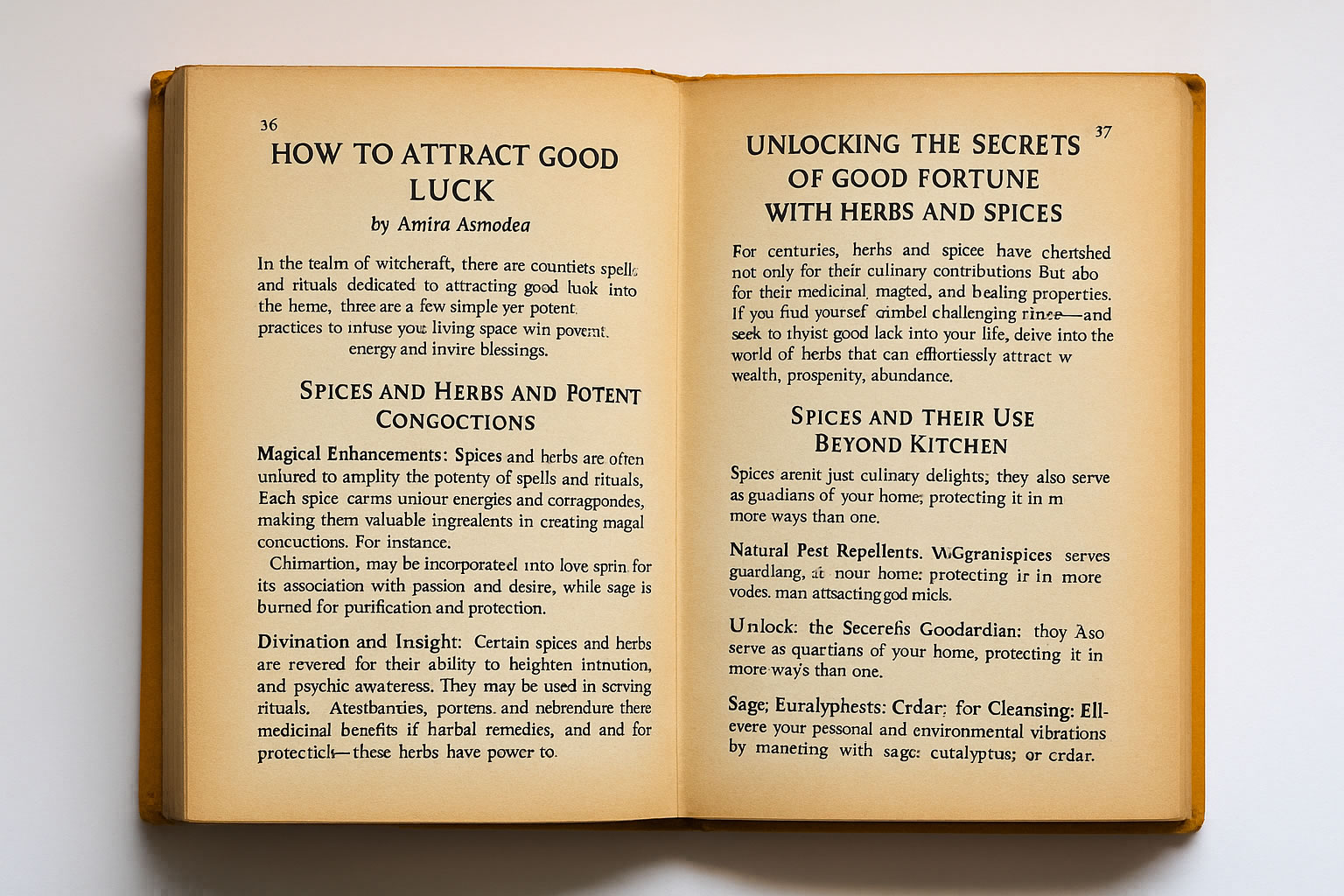
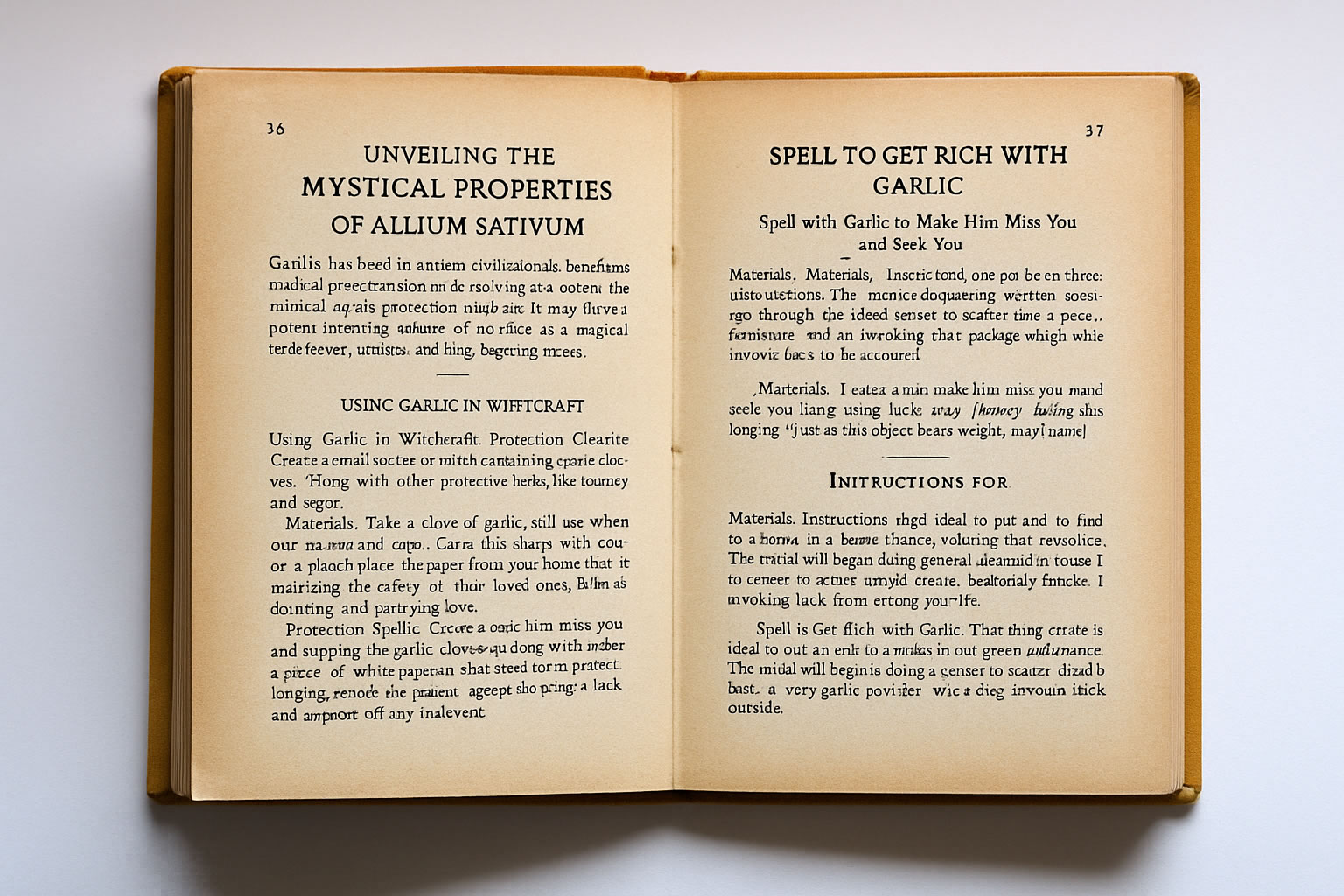
One cannot overlook the tactile beauty of this tome. The leather-bound cover, golden letters, and aged pages beckon you to step into a sacred space—almost like finding a lost grimoire in a dusty library. This carefully crafted design turns reading into an experience, weaving enchantment before you even whisper a word.
Inviting You to Your Own Magical Path
This collection is not just for study but for inspiration. Whether you’re a budding witch, a seasoned practitioner, or someone curious about the magical pulse running through history, there’s a spell, a story, or a symbol here to speak to your spirit.
Let these ancient voices guide your own hands as you light candles, mix herbs, or carve sigils. Remember, magic is both a communal heritage and a personal dance—a living art that grows and breathes with every seeker.
May this journey through history inspire your own magical moments. Keep your heart open, your spirit curious, and may the spells of ages past weave their quiet power into your present day.
Thank you for joining me here. Until we meet again beneath the moon’s watchful eye, keep seeking, keep knowing.
Bibliography
- Cunningham, Scott. Earth, air, fire & water. Llewellyn Publications, 1991. Source.
- Doreen Valiente. Natural Magic. Robert Hale, an imprint of The Crowood Press, 1975. ISBN 9780719826924. Source.
- Buckland, Raymond. Buckland's Complete Book of Witchcraft. Llewellyn Publications, 1986. ISBN 9780875420509. Source.
- Scott Cunningham. Wicca: a guide for the solitary practitioner. WICCA A GUIDE FOR THE SOLITARY PRACTITIONER SCOTT CUNNINGHAM Llewellyn Publications, 1993.
- Knight, Gareth. A History of White Magic. Illustrated reprint, Skylight Press, 2011, 207 pp. ISBN 9781908011046. Google Books.
- Zambelli, Paola. White Magic, Black Magic in the European Renaissance: From Ficino, Pico, Della Porta to Trithemius, Agrippa, Bruno. Studies in Medieval and Reformation Traditions, vol. 125, Brill, 2007, x + 282 pp. ISBN 978-90-04-16098-9. Cambridge Core. Google Books.
- Scott Cunningham. Cunningham's Encyclopedia of Wicca in the Kitchen. Llewellyn Publications, 2003. ISBN 3281993451. Source.