The Samhain, meaning and History
Hello, dear kindred. I’m Amira Asmodea, here to share a gentle journey into Samhain—an ancient festival that whispers of endings, beginnings, and the sacred dance between worlds.
Samhain stands as one of the oldest and most profound celebrations of the Celtic tradition, marking a turning point in the wheel of the year. Celebrated from the night of October 31 to November 1, Samhain signals the closing of the harvest season and the welcoming of the darker half of the year. In the days when the Celts still held their earth-based spirituality strong, this night was their New Year—a time to honor transitions, reflect on the past cycle, and prepare for what the darkness might bring.
The word Samhain comes from Gaelic, meaning “end of summer,” but truly, it is so much more than the conclusion of a season. It is a sacred threshold. It is the meeting of the seen and the unseen, where the veil between our world and the Otherworld thins, allowing us a glimpse and conversation with those who have passed beyond.
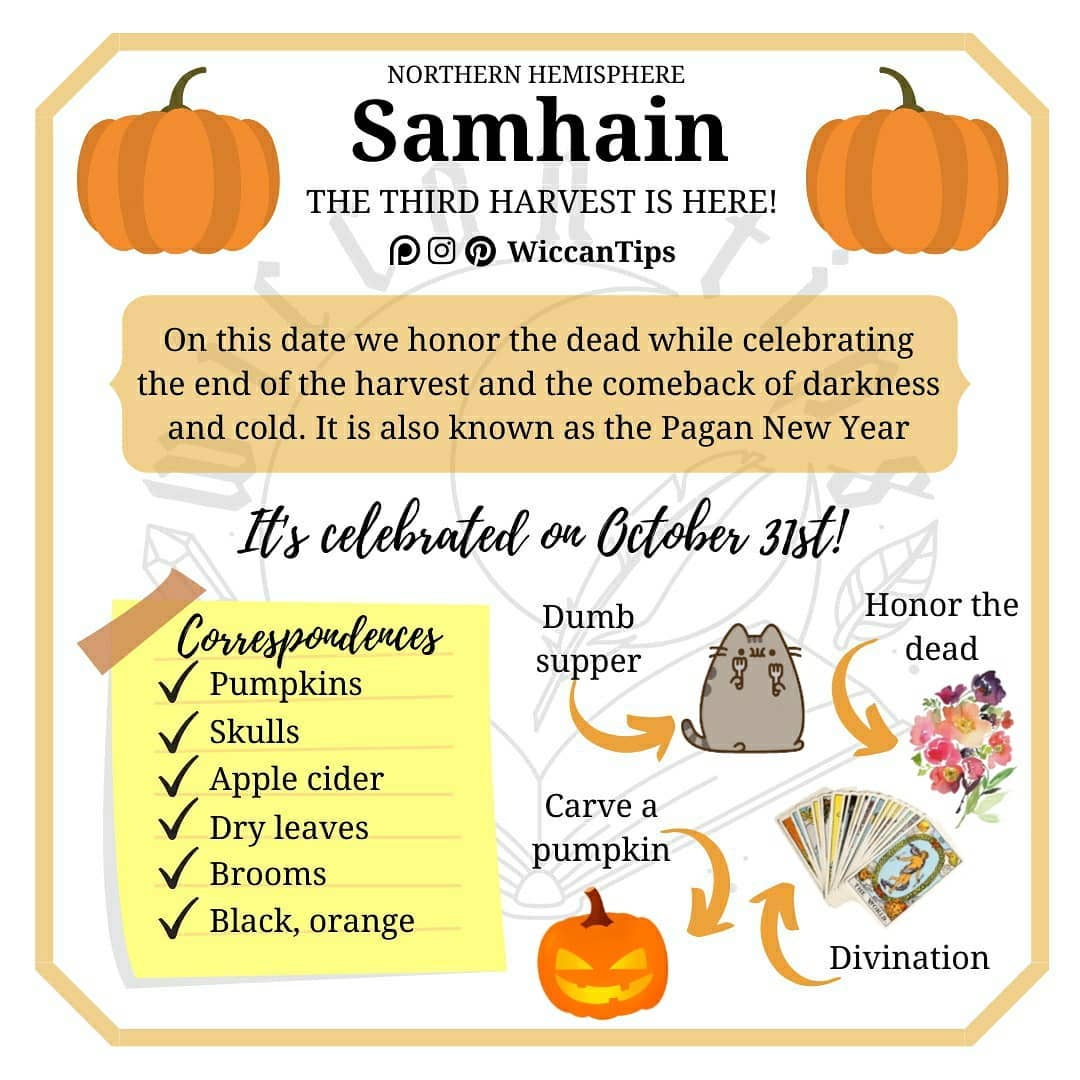
In my experience and learning, this night is both a solemn farewell and a hopeful greeting—a time to honor ancestors, to cleanse ourselves and our homes of what no longer serves, and to set intentions for the coming months of quiet growth beneath the surface.
Many practitioners today, especially those on paths like Wicca and Druidry, continue to observe Samhain with rituals that reflect its deep meanings: lighting candles for those who have passed, creating sacred altars of remembrance, and embracing the stillness of the darkening world. It’s a moment to listen inward, acknowledge what endings are necessary, and trust in the cycles of life and death, light and dark.
To understand why Samhain carries such weight, it helps to look at the Celtic calendar—a beautiful model of how closely those people worked with nature’s rhythms. They divided the year into two halves: the light and the dark. The light half began around April-May, and the dark half started in late October to November, with Samhain marking its arrival.
The year, as they saw it, was born with the darkness—to me, this reveals a poignant wisdom. Darkness is not just absence of light, but a fertile time of rest and transformation, a womb from which new life emerges. The day of Samhain was chosen based on the full moon closest to the midpoint between the autumn equinox and the winter solstice, tying it not only to the harvest's end but also to an intimate lunar rhythm.
The Coligny calendar, a remarkable artifact of the ancient Gauls, confirms how the Celtic people tuned their timekeeping closely to the moon, letting it guide their months and celebrations. While its design prioritized lunar cycles, it also synchronized with agricultural needs, reflecting a lifestyle deeply connected to earth and sky.
During Samhain, the veil between this world and the otherworld was thought to be thinnest, inviting spirits and ancestors to walk alongside the living. Many folk tales, as well as early historical accounts, describe how communities left food offerings and lit candles to welcome those who had passed, ensuring a safe passage for them and protection for the living.
In medieval Ireland, Samhain remained a pivotal occasion, celebrated with grand gatherings at Tara, the seat of kings. These events could last for three nights, mixing solemn ceremony with feasting and storytelling—a heartfelt farewell to the warm months and a cautious but hopeful welcome to winter’s embrace.
At its core, Samhain is a potent reminder of the flow of time and our place within it. It teaches us to honor all transitions with reverence, to sow seeds in the dark so that they may bloom in due season, and to cherish those who came before us as guides and guardians.
Some questions I often hear about Samhain include:
- Is Samhain just another word for Halloween?
While Halloween carries a modern, often commercialized image, Samhain is a deeply spiritual and sacred festival with its own unique rituals and significance. Halloween draws much of its imagery from Samhain but has transformed over time into a more secular celebration. - Can I celebrate Samhain if I’m not Celtic or pagan?
Absolutely. Many find connection with Samhain as a time to honor ancestors, reflect on mortality, and embrace the changes in nature, regardless of cultural background. It’s a universally resonant moment to pause and honor cycles greater than ourselves. - What can I do to observe Samhain meaningfully?
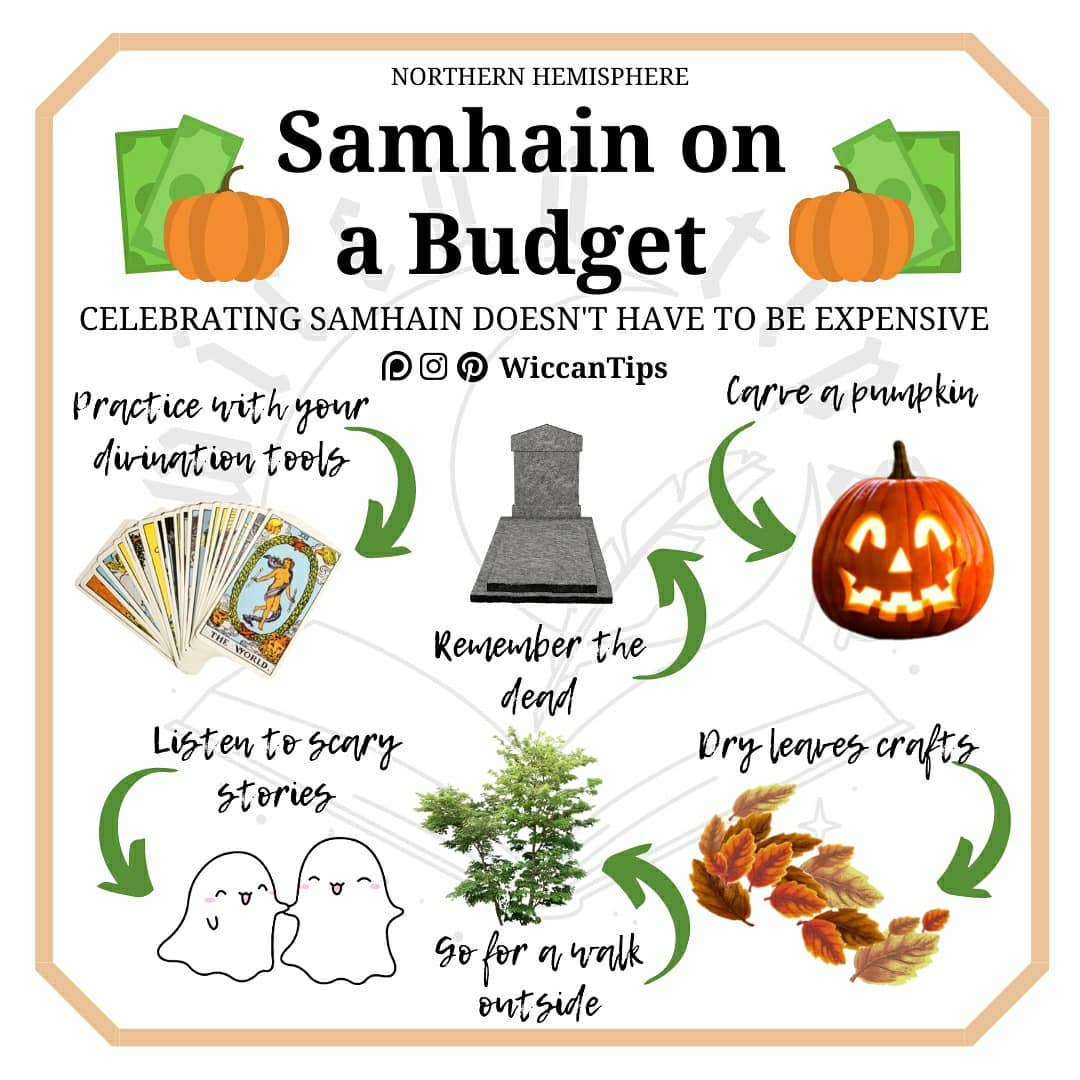
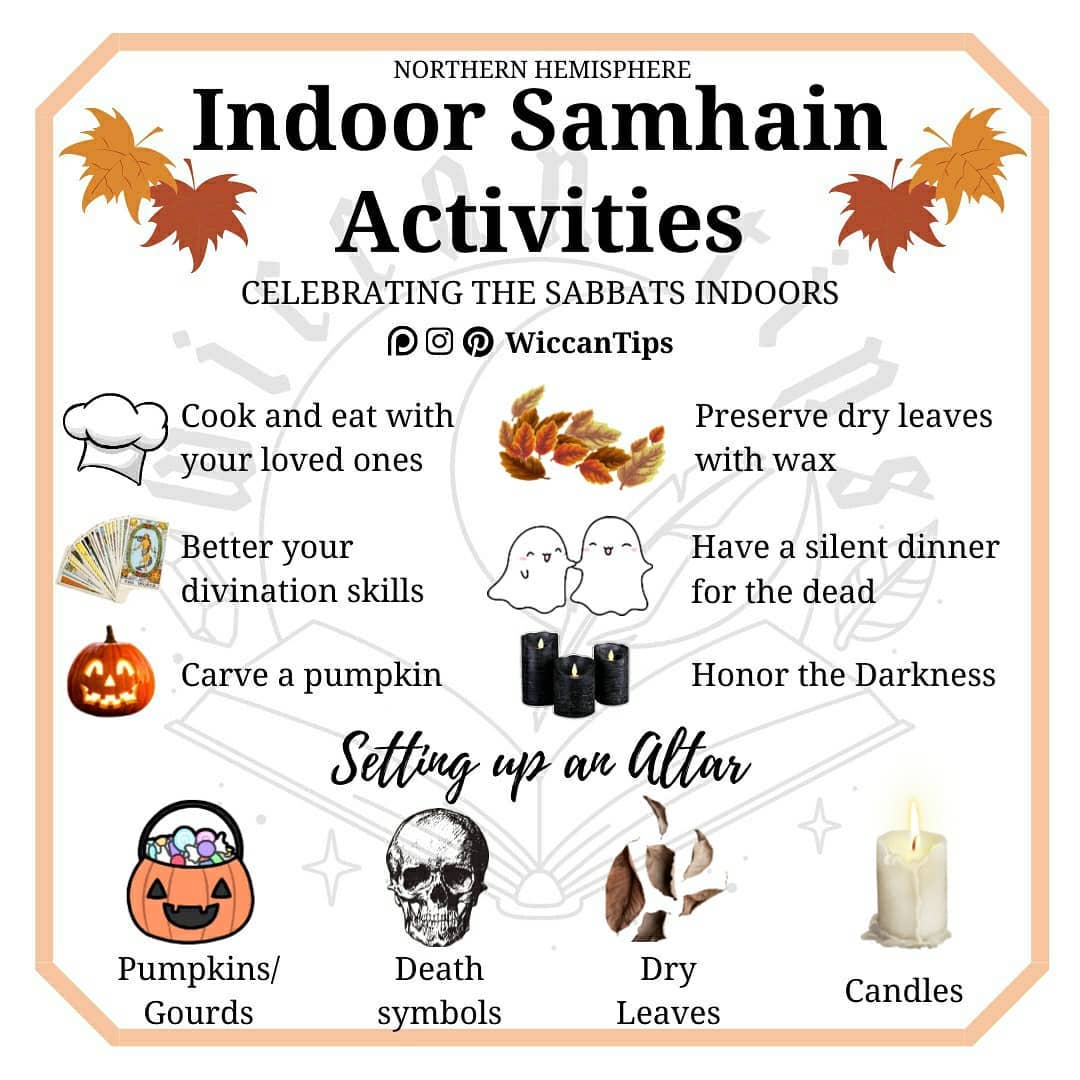
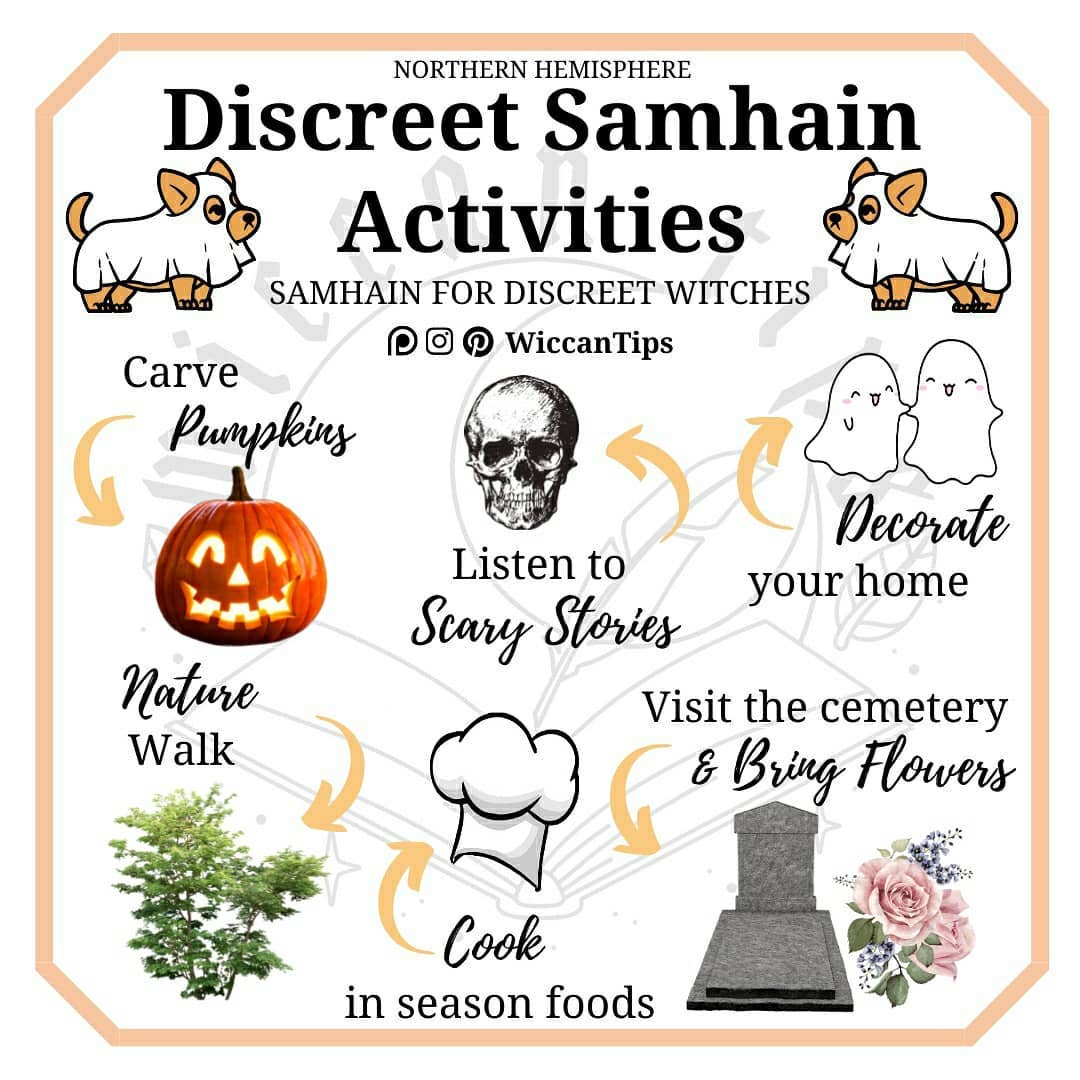
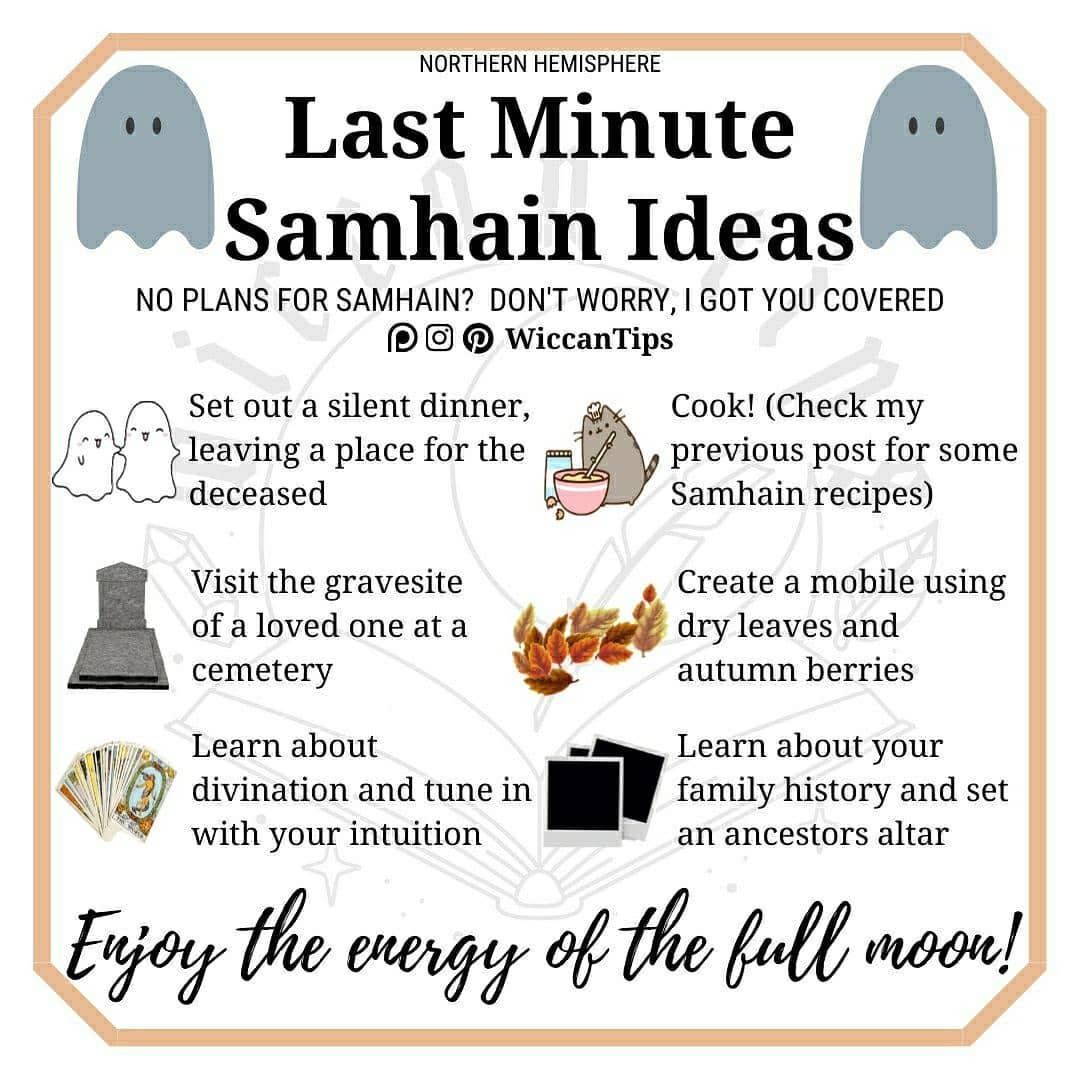
Simple practices like lighting a candle for loved ones passed, creating an ancestor altar, taking a quiet walk in nature to observe the turning season, or journaling about what you wish to release and welcome in the coming months honor the spirit of Samhain beautifully.
In closing, Samhain invites us to step gently into darkness with an open heart. It beckons us to honor the completed cycle and prepare our spirits for renewal. With understanding and intention, we keep this ancient tradition alive—as a bridge connecting us to times past, to the natural world, and to sacred mysteries beyond the veil.
Thank you for allowing me to share this with you. May your Samhain be filled with peace, reflection, and a touch of magic.
Blessed be.
Bibliography
- Doreen Valiente. An ABC of Witchcraft Past and Present. Robert Hale, an imprint of The Crowood Press, 1999. ISBN 9780719826917.