
WARD OFF A WOMAN
If a woman is trying to steal your man and you want to drive her away, this spell is for you.

Hi, my name is Amira Asmodea, and I’m a real spellcaster. I practice magic regularly, have studied in many places, and have been doing this for several years. If this is your first visit, you can read my biography on my website.
Sometimes, a person enters our lives and causes problems—often when a woman focuses on our husband or boyfriend. I created this spell to scare that unwanted person away by inducing nightmares, fear, and anger, which will drive her away from your man.
Below are images of some of my rituals.
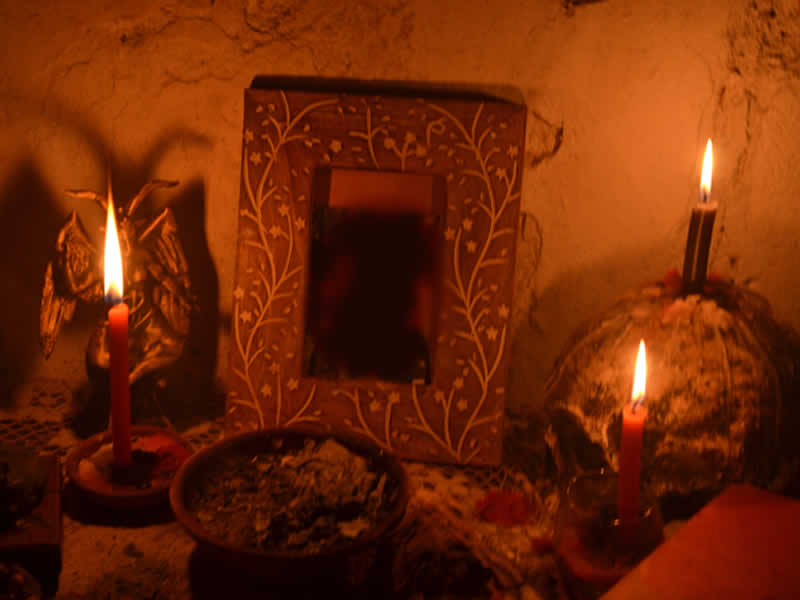
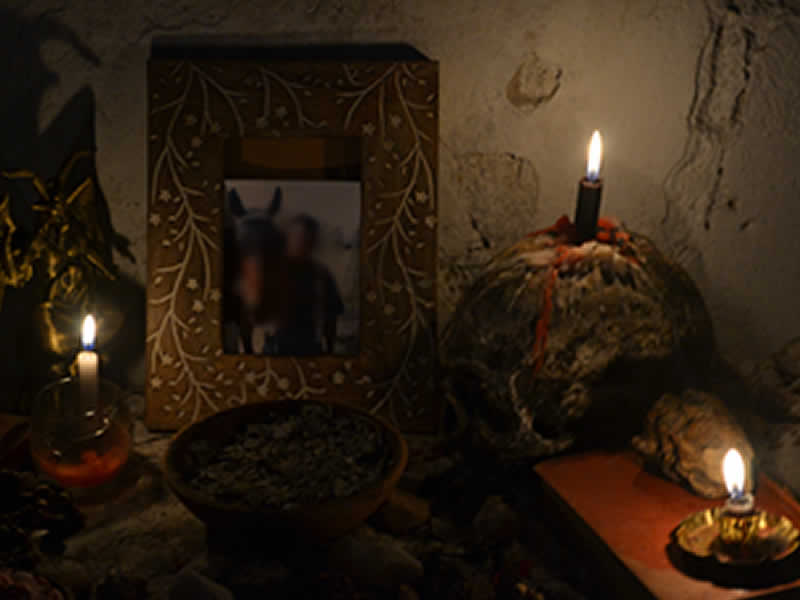
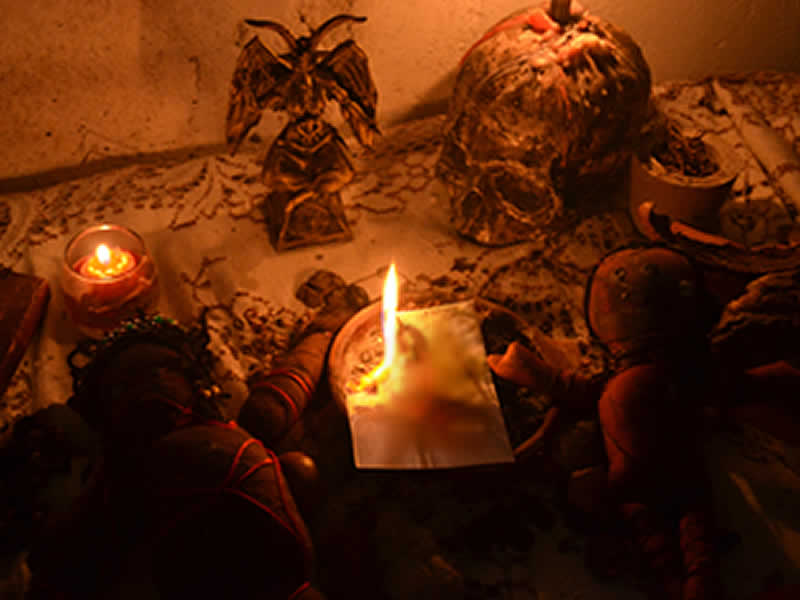
Those are some of my rituals. If you want me to cast one for you, just keep reading.
How the “Ward Off a Woman” Spell Works
To perform this love-based ritual, you’ll need to send me photos and names of both people involved. This information will remain private.
The ritual lasts seven nights, with these steps::
- Prepare the altar: arrange candles and the elements—earth, fire, water, and air.
- Perform purification: cleanse sacred objects and purify myself under the moon (always done at night)
- Trace a sacred salt circle around the altar.
- Place the photos you sent at the center of the altar.
- Write your name and the other person’s name on two separate candles.
- Invoke the relevant entities using proper prayers.. This is an important moment, each entity will come only if it is invoked with the correct prayer.
- Light the appropriate candles and present your case to each deity., and present your case to them.
- For five consecutive days, repeat the invocations and prayers.
- Close the spell: thank each deity and release them in reverse order.
- Remove the photos and burn them.
- Extinguish the candles and bury them safely.
- Finally, I'll inform you how everything went.
That is the full procedure. You may wonder: could there be any side effects? The answer is no—I’ve been doing this for a long time, as you can read in my biography.
Once finished, the spell usually shows results within a couple of weeks.
Please read the terms of my service. The result of the spell is not guaranteed, only scammers say 100% guaranteed. It is a religious ritual and I am an honest person. Maybe the person doesn't love you anymore and I can't force the situation. I can't change Destiny!
Please ask any questions you have before purchasing. You can read more in the frequently asked questions
Ward Off a Woman
If you want me to cast this spell for you, just place an order with the CHECKOUT button, and pay with PayPal or any credit or debit card
If you want to contact me, you can do it through my email address amiraasmodea@outlook.com, Instagram or Facebook.



Disclaimer
**SPELLCASTINGS SHOULD NEVER BE USED IN PLACE OF QUALIFIED LEGAL, FINANCIAL OR MEDICAL ADVICE. If your inquiry involves the law, finance, or medicine, then you should seek the advice of a licensed or qualified legal, financial, or medical professional. A WITCH and SPELLCASTING can only facilitate how you cope spiritually with a given situation**
The law requires that tarot readings, spells, and other items that fall into the realm of paranormal are to be sold for entertainment and amusement purposes only and that you must be 18 years of age or older to purchase them. I am also not responsible for anything that may or may not happen as a result of my spells or readings. My products should not be used as a substitution for medical/Legal/Financial or any other professional advice. Instead, I would encourage you to seek advice from professionals. This is a service for entertainment purposes only
Please read the Terms and Conditions of the Spellcasting Service here