Celtic Celebrations and Festivals
Welcome, dear seeker. I’m Amira, an elder witch who has long walked the sacred paths woven by our ancestors. Today, let’s gently step into the enchanting world of Celtic Celebrations and Festivals, where the dance of earth and spirit unfolds through the seasons. These ancient gatherings offer more than just dates on a calendar; in my experience, they are wise teachers revealing the sacred rhythms of life, the humble but profound ebb and flow of transformation.
The Celts embraced a worldview steeped in magic, deeply entwined with the land, the sky, and the unseen worlds astride nature’s breath. Their festivals are not mere parties but spiritual waypoints, guiding each soul through cycles of death and rebirth, light and shadow, preparation and celebration. They held a firm belief that life is a continuous journey of self-transformation—a pilgrimage towards balance and harmony.
And this is why the Celtic village was more than a cluster of homes; it was a living, breathing community, thriving on spirit and reverence for all life — the seen, the unseen, and the mysteries beyond. Eight sacred festivals marked the course of their year, weaving together the human and natural worlds, nurturing the growth of the individual and the collective.
Celtic Celebrations and Festivals
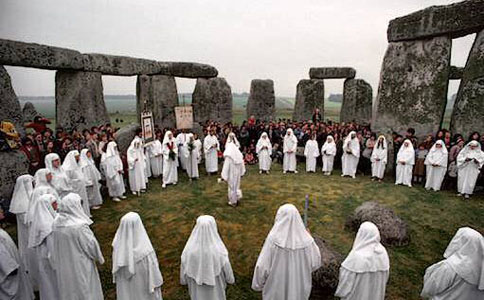
- Samhain: Celebrated on October 31st, Samhain marks the Celtic New Year. Traditionally, it is the veil-thin moment when the worlds of the living and the dead meet, allowing spirits and ancestors to wander among us. This festival is both a farewell to the harvest season and a welcome to the deep, reflective darkness of winter. In my experience, lighting candles and setting out offerings at this time opens our hearts to ancestral wisdom and transforms our fears about death into reverence.
- Yule: Falling on the winter solstice, Yule celebrates the rebirth of the sun during the longest night of the year. Celts would light towering bonfires and candles to invite the Sun’s power back into the world—a beautiful gesture of hope and renewal. Spiritually, it reminds us that even in our darkest, coldest moments, light grows stronger, and life persists.
- Imbolc or Candlemas: On February 2nd, Imbolc shines as a festival of light in the returning warmth. It is dedicated to the goddess Brigid and features lighting candles and fires to coax the sun’s life-giving energy back to the earth. This is a time to nurture the spark within ourselves—the ember of creativity, clarity, and new beginnings emerging from winter’s hold.
- Ostara: The spring equinox honors balance as day and night meet equally. It’s a celebration of rebirth, fertility, and new life—the earth waking from its winter slumber. Practically, it’s a joyful time for planting seeds and intentions. Spiritually, it invites us to welcome the rejuvenation that blooms not just in nature, but within ourselves.
- Beltane: On May 1st, Beltane bursts forth with passion and fire. The festival honors Belenos, the god of light and fire, with bonfires where people would leap to invoke health, fertility, and luck. For many today, jumping the flames symbolizes boldness in embracing life’s energy and weaving desire with sacred connection.
- Midsummer or Litha: The summer solstice is a night charged with magic and possibility. In Celtic tradition, this was a perfect time to connect with fairies and elemental spirits who embody the peak of earth’s abundance. This festival encourages us to live fully in the present and ask for what we truly need, trusting the generous earth to provide.
- Lammas: Celebrated on August 1st, Lammas honors Lugh, the god of light, and marks the beginning of the harvest season. This festival is about gratitude for prosperity and the fruits of one’s labor. In practice, it’s a reminder to reap what we have sown, both in the earth and in our lives.
- Mabon: The autumn equinox, Mabon expresses thanks for the earth’s abundance before the quiet of winter. It’s a time to share, reflect, and prepare, acknowledging the cycle of death and renewal represented by the falling leaves and the sleeping seed beneath the soil.
These festivals are so much more than dates—they guide us through the natural flow of time and spirit. Each one invites us to listen, celebrate, and offer gratitude to the cycles that shape our lives and the earth beneath our feet. In my experience, honoring these moments grounds us in tradition and encourages deep healing, growth, and transformation.
Questions readers often ask
Are these Celtic festivals still relevant today?
Absolutely. Many modern practitioners find that celebrating these festivals connects them to nature’s rhythms and their own inner cycles. They offer moments to pause, reflect, and realign, even in busy lives.
Can anyone celebrate them, or do you need to be Celtic?
The beauty of these traditions is their universality. While rooted in Celtic culture, the themes of transformation, renewal, and gratitude resonate across spiritual paths. You’re warmly invited to celebrate in ways that feel meaningful to you.
How can I honor these festivals in my daily life?
Simple acts are often the most powerful: lighting a candle to mark the solstice, gathering herbs from your garden at the equinox, or setting intentions during Samhain. Even a quiet moment of reflection can deepen your connection.
For those drawn to ritual, incorporating elements like candles, herbs, bonfires (or even a small bowl of water symbolizing a lake or sea), and offerings of food or flowers helps bridge the inner experience with the outer world.
I invite you to explore these festivals in your own time and way, letting them illuminate your path as they have mine.
Read also:
Rituals of Halloween
Blessed be, and may your path be lighted by the old fires and new dawns.