Encyclopedia of Demons in World Religions and Cultures (McFarland Myth and Legend Encyclopedias)
Hello, dear seeker. I’m Amira Asmodea, and today I’d like to share with you a truly vast and fascinating resource for those curious about the shadow side of myth—the Encyclopedia of Demons in World Religions and Cultures. This tome is a treasure trove for witches, scholars of the occult, or anyone drawn to the stories and spirits that have haunted human imagination across the ages.
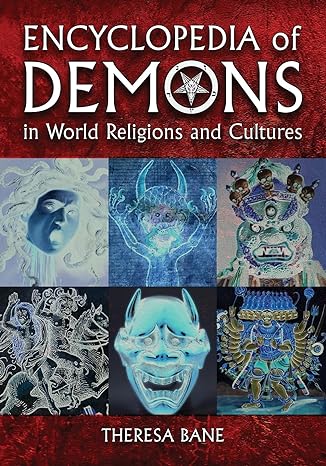
Right at the heart of this encyclopedia is an astonishing collection: nearly three thousand demons documented from ancient mythologies and religions spanning the globe. These aren't just spooky names; each entry carefully paints a picture of the demon’s traits, their origins, and the role they played in the stories and spiritual beliefs of many cultures.
For example, within Christian demonology, you meet Aamon—a demon whose symbolism links to life and reproduction, curiously depicted with the head of a serpent and the body of a wolf. This vivid blending of animals conjures deep, mystical imagery, reminding us how many folk beliefs personify complex ideas through animal features. On the other hand, in the rich tapestry of Sumero-Akkadian myth, there’s Zu—not a creature of darkness but a mighty half-man, half-bird, embodying the southern wind and thunderclouds. This reminds us that in various traditions, entities we may call “demons” can also represent natural forces or spiritual powers beyond simple good-and-evil boundaries.
In my experience, understanding such figures helps deepen not only our knowledge of religions and cultures past but also our modern rituals and spiritual practices. These detailed descriptions include their cultural significance—how people once perceived them and what they symbolized or warned about. It’s a reminder that these mythic figures often embody something more than their fearsome appearances might suggest: lessons, warnings, or mysteries about the human condition and the unseen world.
The encyclopedia also ventures into the complex hierarchies of Hell and the many kinds of demonic beings reputed to populate the earth according to diverse folklores and theologies. From minor spirits that may plague individuals to major players ruling infernal courts, these classifications give an insightful glimpse into how different religions and traditions have tried to map and make sense of these darker forces.
Many practitioners find it useful to recognize these figures not just as threats but as archetypes or symbolic guides during divination or ritual work. If you work with sigils, candles, or herbs, a well-understood demon or spirit’s attributes can help you craft spells and protective rituals with deeper nuance and respect.
For example, knowing that Zu represents thunder and storm winds could inspire ritual practitioners to invoke its energy for a cleansing storm of their own life—wiping away stagnation or bringing powerful change. Similarly, understanding Aamon’s association with life forces might guide you in fertility rites or spells seeking creative renewal.
Here’s a common question I hear often: Are demons always evil or harmful? In my experience and in many folk traditions, that’s not always the case. Demons and spirits are complex—they may appear terrifying, but often serve as messengers, guardians, testers, or symbols of natural forces beyond human control. Their stories can offer profound lessons if approached with care and respect.
Another question is: How can we protect ourselves if we work with or learn about these entities? Traditionally, witches and practitioners use cleansing rituals, protective herbs, talismans, and sigils to set boundaries and invite only those spirits who mean well. Remember, knowledge and respect are the best protection—including understanding the context and the cultural origins of these beings.
It's also a beautiful thing to consider that these mythic figures form part of the living human imagination, reminding us of fear and hope, chaos and order. They connect us to ancestors and to wider global stories about what it means to be human in a mysterious universe.
So if you’re drawn to explore myths, legends, and the unseen, this Encyclopedia of Demons in World Religions and Cultures is a fascinating companion—part atlas, part portrait gallery of the otherworldly figures that have long danced on the edges of belief.
Thank you for wandering this shadowed path with me. For more insights and warm, wise guidance on magic, herbs, and the mysteries, do stay a while and explore. The journey is as rich as the stories we share.