How to read Tea Leaves
Tasseography, or tea leaf reading, may seem like a simple pastime, but in my experience, it is an elegant, intimate dialogue between you and the unseen. This practice invites you to slow down, trust your instincts, and discover meaningful messages quietly concealed in the patterns of tea leaves left behind.
Tasseography (also known as tasseomancy) is the art of identifying symbols and interpreting messages found in the shapes and configurations of tea leaves. Though the practice is simple, the results are often profound, and curious minds have been enchanted by tasseography for centuries. Tasseography is not nearly as popular as tarot reading or crystal magick is today, however, and so it's also less understood.
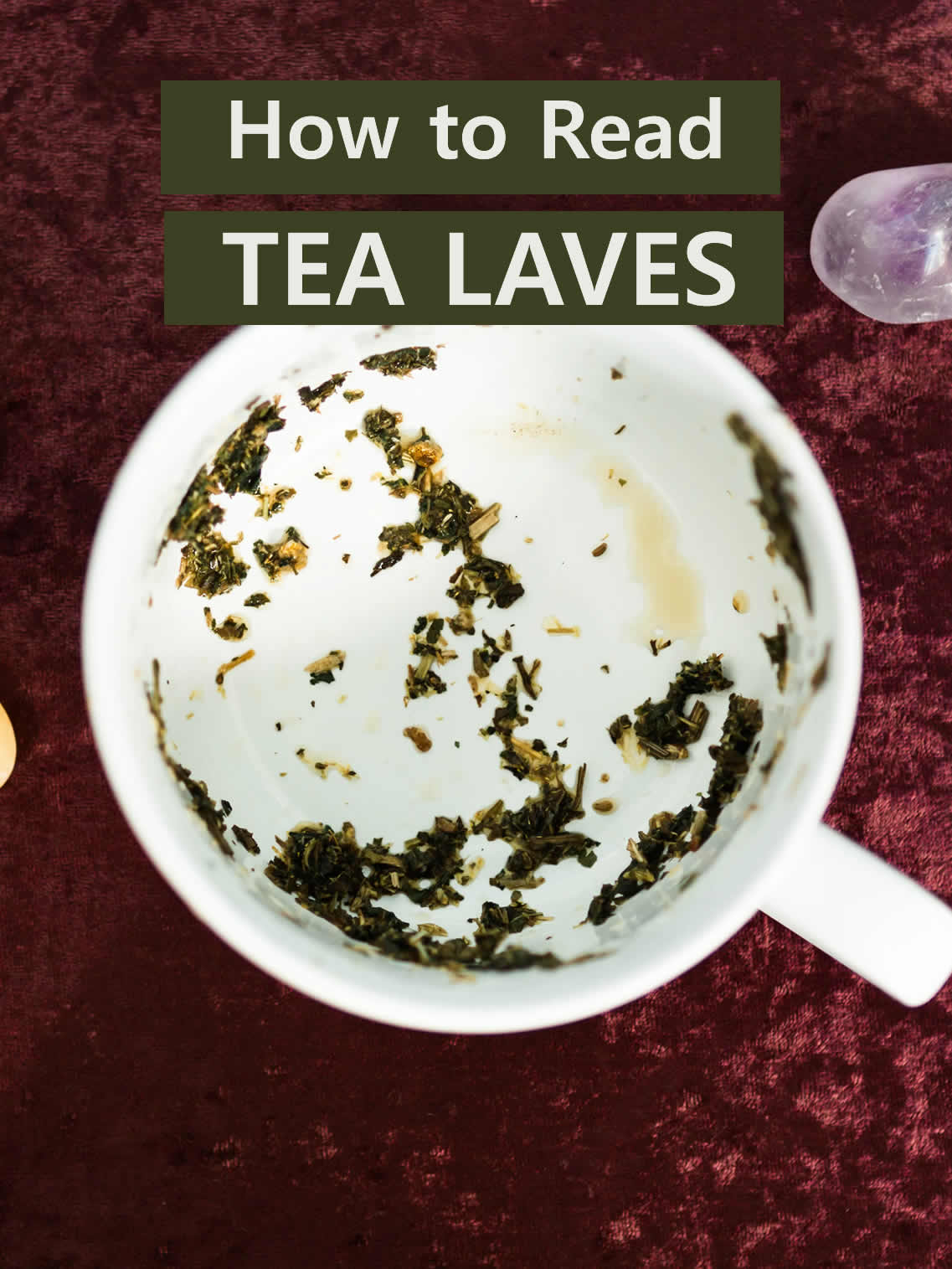
But never fear, cosmic warrior, it's easy to get started with tasseography, which is a powerful, creative, and accessible way of exercising your intuition. In fact, since it's much less structured than reading tarot cards and less expensive than building a fancy crystal collection, it's a great option for anyone who's interested in cultivating a unique divination practice with what they already have at home. Read on for what every beginner should know about tasseography, including the inspiration for spicing up your next witchy tea party.
How does tasseography work?
Like many divination methods, reading tea leaves is a tender dance of intention and energy. When you bring your focus and a quiet mind to the ritual of tea drinking, the leaves become mirrors, reflecting messages from your subconscious—or perhaps, glimpses of possible futures. These messages hide in the delicate shapes, density, and patterns the damp leaves make against the cup’s surface.
Traditionally, tasseography involves interpreting these symbols much like reading a story written in nature's own script. An old tome from 1881, Reading Tea Leaves by "A Highland Seer," remains a treasured guide, offering a catalogue of symbols and what they might mean. Many practitioners still return to this book as a foundation, though what really matters is your own intuition weaving the meanings together.
- A simple teacup
- Your favorite loose leaf tea or traditional tea bag
- Hot water
- Hold a question gently in your mind as you sip your tea. It can be as simple as, "What should I focus on this week?" or "What energy is coming my way?"
- Take your time. Don’t rush the process—savor the tea, add a little honey or sugar if you like, and feel your own rhythm guiding the experience.
- Your unique movements while drinking shape the leaves into singular, meaningful patterns. This is your personal language forming with every tilt of the cup.
- Never push for an answer. Sometimes the leaves will speak clearly; other times, their message is subtle or requires more reflection.
- Let your intuition be your compass. What do you feel or notice first? That’s often where the truth lies.
- Keep a notebook or sketchpad nearby. Drawing or writing what you see deepens your connection to the symbols and helps you remember their messages over time.
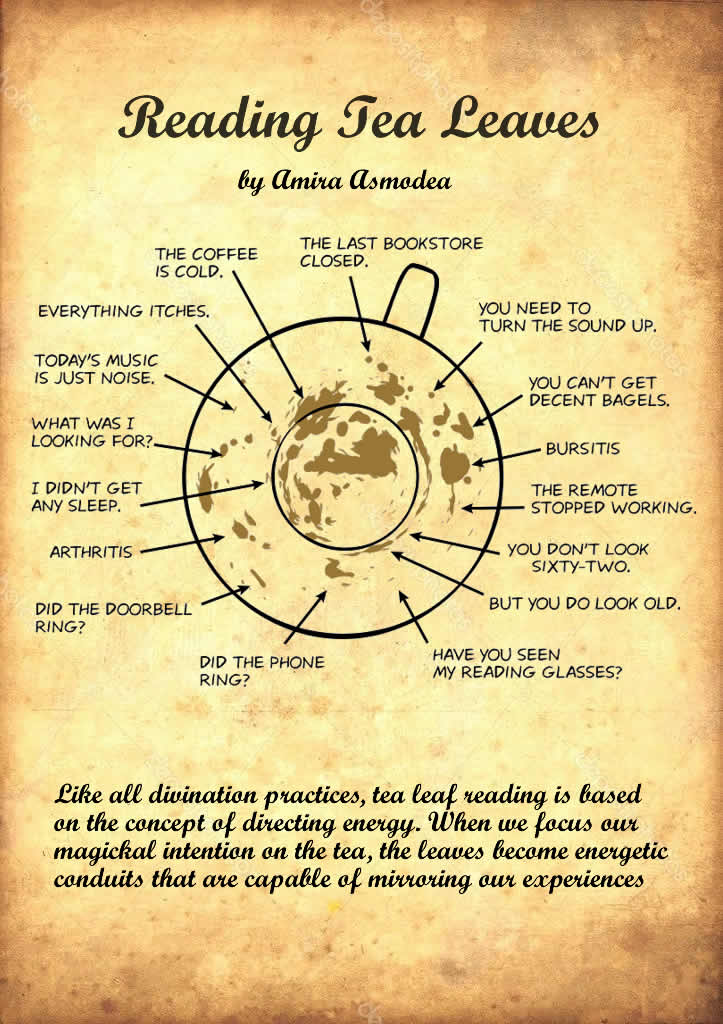
Reading the signs: examples and meanings
In my experience and gathering from traditions old and new, here are a few common shapes and what they might suggest:
- Heart: Love, compassion, or emotional clarity entering your life.
- Bird: Messages coming your way, spiritual or otherwise, or the arrival of freedom and new opportunities.
- Circle or ring: Completion, fulfillment, or a cycle coming full circle.
- Tree: Growth, stability, and deep roots in your current path.
- Snake: Transformation, healing, or sometimes warning of hidden challenges ahead.
- Star: Guidance, hope, and blessings from higher forces.
Remember, these interpretations are like brushstrokes on a painting — their full meaning emerges when you connect them with your life’s context and your own inner knowing.
Questions readers often ask
Do I have to use a specific kind of tea?
Your preference is key. Some practitioners favor black tea because the dark leaves stand out well, but herbal teas can work just as beautifully. Choose what feels right for you and your practice.
Can I read coffee grounds or other herbs instead of tea leaves?
Absolutely! Reading coffee grounds (called coffee cup reading) is a close cousin to tasseography. The important part is that the ritual resonates with your spirit and sharpens your intuition.
How do I know if I’m interpreting the symbols correctly?
The beauty of tea leaf reading lies in its flexibility and personal nature. Trust your feelings, record your insights, and over time, patterns will emerge that make sense for you.
Can I do it without asking a question first?
Yes! Sometimes just sitting with your tea and letting the leaves speak freely can offer surprising insights.
Amira
You can also keep exploring tarot with these free tools: