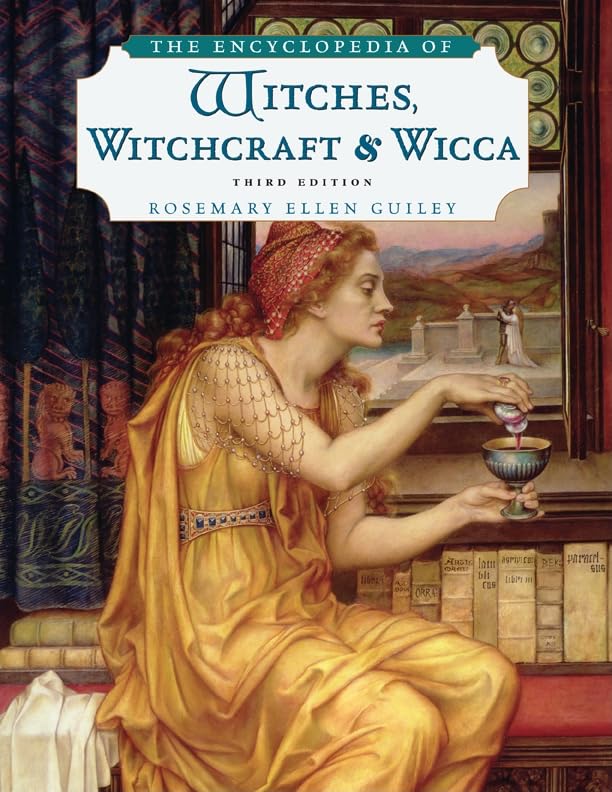
The Encyclopedia of Witches, Witchcraft and Wicca
Welcome, dear reader. I’m Amira Asmodea, and today we’re stepping together into a treasure trove of wisdom and wonder — a world where magic runs deep through history, culture, and spirit. The Encyclopedia of Witches, Witchcraft and Wicca is a remarkable guide, one that reaches beyond any single tradition to illuminate the many faces of enchantment practiced across the globe.
This third edition, with its unparalleled coverage, offers us a sweeping vista of witchcraft and magical practices spanning different eras and diverse societies. It’s not just about spells and potions; this encyclopedia opens doors to the rich tapestry of magic—from shamanism, the oldest known spiritual path, to occult traditions steeped in mystery, and even the noble practices of wizardry. Let’s dive a little deeper to see what makes this work such an essential companion for anyone drawn to the craft.
Why This Encyclopedia Matters
In my experience, many seekers come to witchcraft looking for answers—to connect with natural rhythms, to practice protection, or to welcome love and prosperity through magical means. But the paths of craft are as varied as the stars in the night sky; no single story or method holds all the truth. This encyclopedia invites us to learn from a wealth of traditions, both ancient and modern.
It’s like holding a map that charts the myriad ways humans have worked magic: from the quiet chants of folk witches to the complex rites of Wicca, from herbal lore to the sigils and symbols charged with intention. By understanding this rich history and diversity, you gain a solid foundation that deepens your own practice and honors the craft’s many roots.
Exploring the Spectrum: Magic, Shamanism, and the Occult
Magic isn’t just about waving a wand or lighting candles, although those are powerful tools. It encompasses a broader sense of interacting with unseen energies and the natural world to create change. The encyclopedia covers this wide spectrum thoughtfully:
- Shamanism: Often seen as the oldest magical tradition, shamanism connects the practitioner with the spirit world through trance, journeying, and healing ceremonies. Many cultures across continents — from Siberian tribes to Native American nations — share shamanic roots. It’s a practice heavy with the touch of earth and spirit.
- The Occult: This is the hidden knowledge—secrets passed through generations about the unseen forces shaping reality, from planetary influences to alchemical mysteries. The occult traditions found here blend astrology, divination, and ceremonial magic, many of which have influenced modern witchcraft deeply.
- Wizardry: A term that often evokes wise men and learned sorcerers, wizardry traditionally speaks of deep knowledge and mastery over magical workings, often preserved through study, talismans, and sigils (which are symbols charged with magical meaning).
This breadth reminds us that “witchcraft” isn’t a single thread but a vast tapestry of practices and beliefs, each weaving its own magic.
What You’ll Find Inside
Entries take you on a journey through rituals and tools that shape the magical experience, helping readers understand not only the “how” but also the “why” behind these practices. Expect to find detailed explanations of herbs relied upon for cleansing and protection, candle colors linked to specific intentions, and the meanings behind sigils used for prosperity or love.
Exploring divination methods like tarot or scrying, you’ll discover different approaches to reading signs and symbols from the spiritual realm—because magic also means listening.
Magic Across Time and Cultures
One of the most beautiful lessons this encyclopedia offers is the way magic crosses cultures and centuries. Witchcraft from Europe, shamanic practices from indigenous peoples, and contemporary Wiccan rituals all have threads in common, as well as unique ways of engaging with the sacred.
In my experience, learning about other ways of practicing magic not only enriches your own work but fosters respect and connection to the wider magical community. This encyclopedia is a cherished doorway to that collective knowledge.
Questions Readers Often Ask
Is this book helpful for beginners?
Absolutely. While it covers a vast array of material, it’s presented in a way that’s accessible to newcomers but still rewarding for experienced practitioners looking to deepen their understanding.
Will it teach me spells?
You’ll find insights into rituals, tools, and symbolic practices, many of which can inspire your own spellcraft. It’s more about context and history than step-by-step instructions, which encourages personal connection and creativity.
Does it focus on Wicca only?
No, it encompasses many traditions, including Wicca, but also shamanism, folk magic, and occult teachings, offering a broad view that reflects the true variety within magical practice.
Can I use this as a reference for rituals and ingredients?
Yes, it’s a handy source for understanding the spiritual meanings behind herbs, candle colors, sigils, and more, making it a thoughtful resource when planning your own rituals.
In Closing
Whether you are drawn to witchcraft through curiosity, heritage, or a yearning for connection, this encyclopedia is a gentle and wise companion. It honors the multifaceted magic that flows through human history and invites us to find our place within it. Take it off the shelf often, savor its pages, and let it guide you as you weave your own enchanted story.
Thank you for spending this time with me today. May your path be bright, your intentions clear, and your magic ever true.
Keep exploring, dear witch—you’re in very good company here.
Bibliography
- Doreen Valiente. An ABC of Witchcraft Past and Present. Robert Hale, an imprint of The Crowood Press, 1999. ISBN 9780719826917.
- Buckland, Raymond. Buckland's Complete Book of Witchcraft. Llewellyn Publications, 1986. ISBN 9780875420509. Source.
- Gerald Gardner. The Meaning of Witchcraft. Aquarian Press, 1982. ISBN 1950506789. Source.
- Gardner, Gerald. Witchcraft Today. Rider & Company, 1954. Source.
- Zambelli, Paola. White Magic, Black Magic in the European Renaissance: From Ficino, Pico, Della Porta to Trithemius, Agrippa, Bruno. Studies in Medieval and Reformation Traditions, vol. 125, Brill, 2007, x + 282 pp. ISBN 978-90-04-16098-9. Cambridge Core. Google Books.