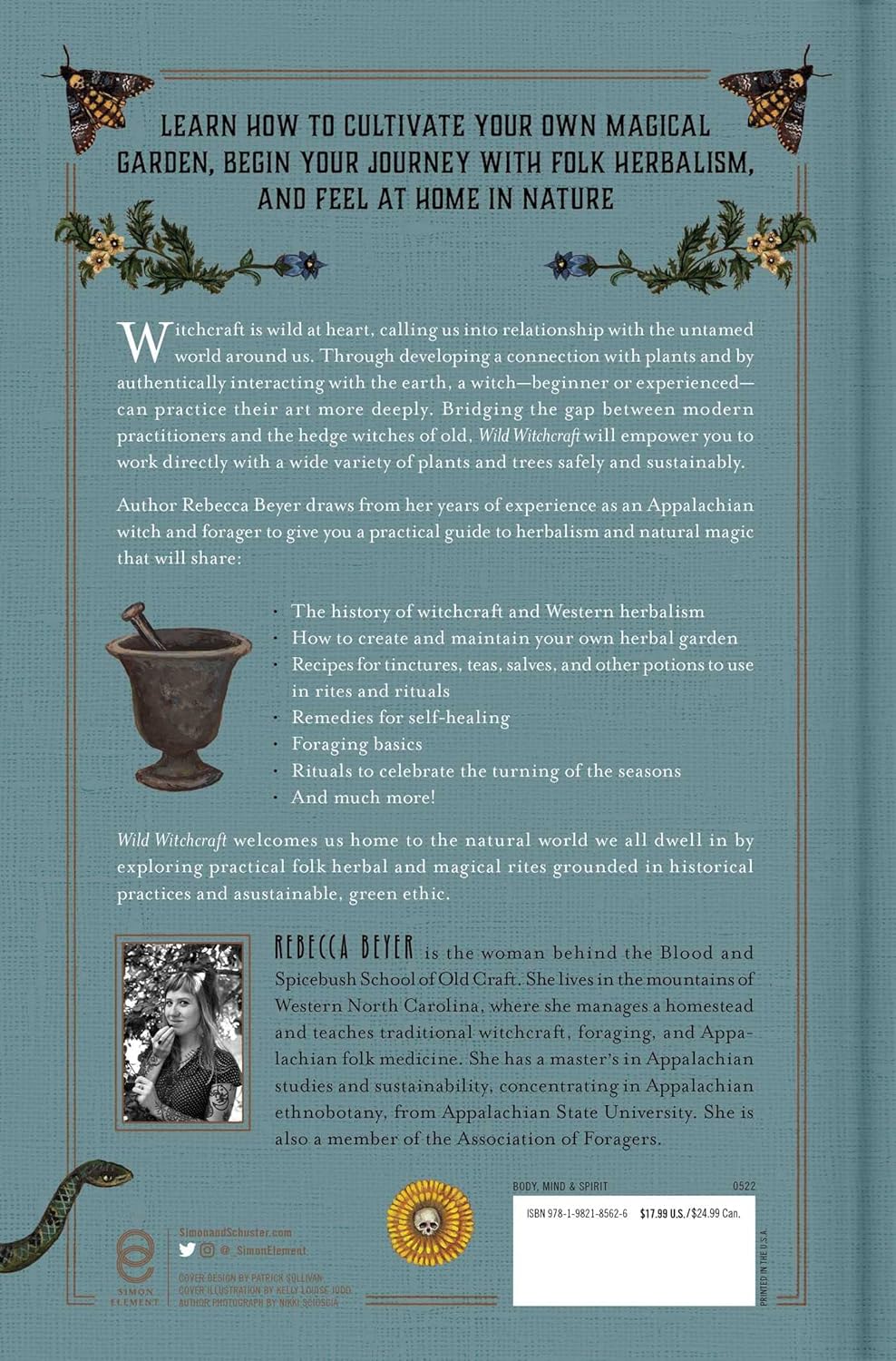
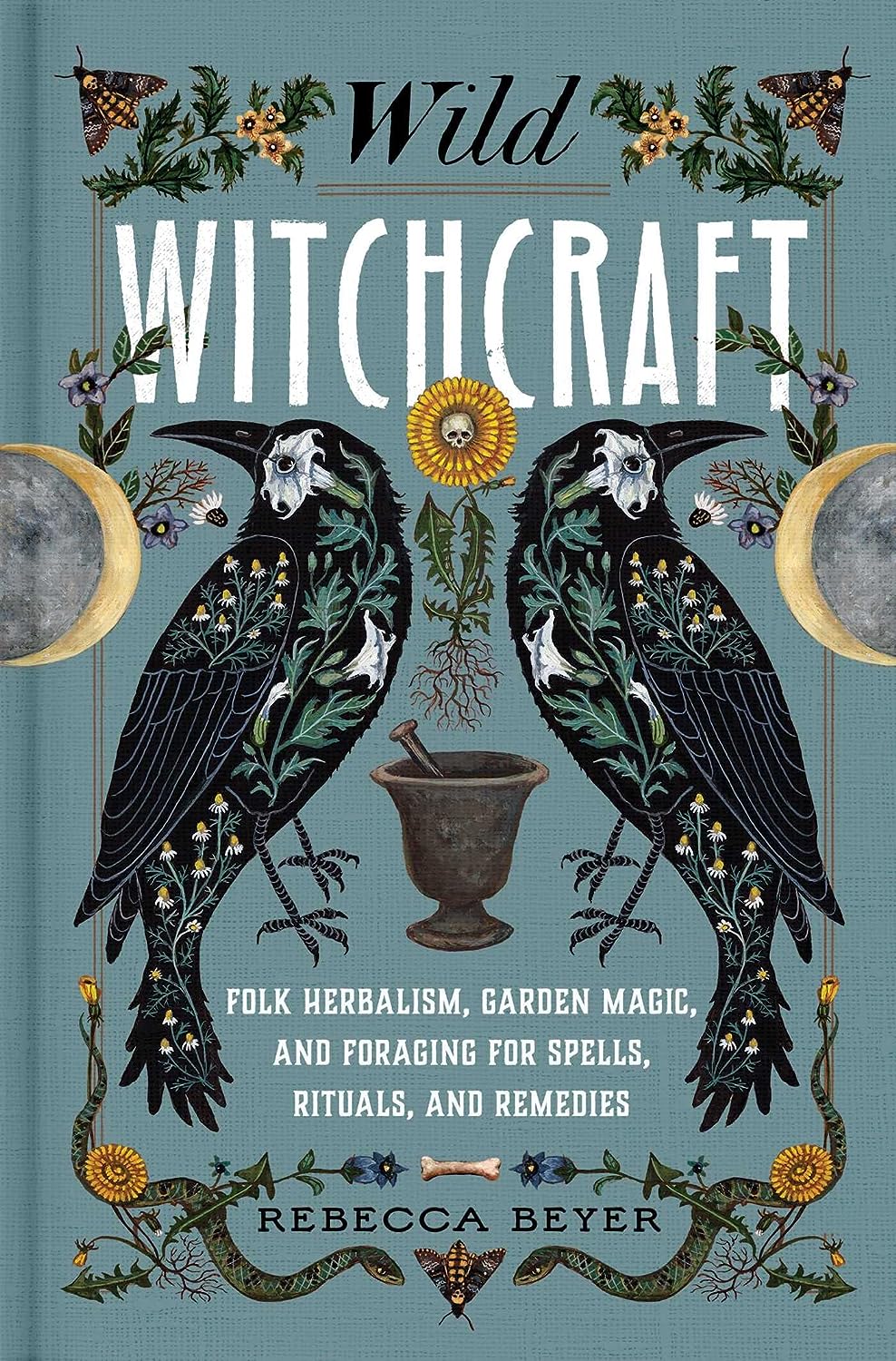
Wild Witchcraft: Folk Herbalism, Garden Magic, and Foraging for Spells, Rituals, and Remedies
Welcome, dear seeker. I’m Amira Asmodea, here to gently guide you into the wild, leafy heart of witchcraft—a place where folk herbalism, garden magic, and foraging come together in a dance as old as time. Whether you’ve walked many wooded paths or are just stirring to the call of the green world, this is a place to awaken your senses and grow your craft in deep connection with the living plants around you.
At its essence, Wild Witchcraft is about more than just gathering herbs or lighting candles. It’s about a relationship—a reverence for the wildness whispering in leaves, roots, and flowers. By honoring this bond, a witch crafts magic not from distant study but from the pulsing energy of earth’s own garden.
In my experience, working with plants—whether from your own garden, a local forest, or a sunlit clearing—opens doors to a natural wisdom that textbooks often overlook. These green allies, ranging from delicate flowers to hearty trees, offer gifts of healing, protection, love, and prosperity. They are helpers in spellcraft, ingredients in potions, and symbols in ritual, all wrapped in the quiet power of growth and renewal.
Let us explore this further with some practical touches and spiritual understanding.
What is Folk Herbalism and How Does It Fit Into Witchcraft?
Folk herbalism is the traditional use of plants for healing, nourishment, and everyday magic. It’s a craft rooted in generations’ worth of experience, observations, and respect for the natural world. Unlike commercial herbalism or pharmaceutical approaches, folk herbalism embraces the wild rhythms of plants, often weaving them into prayers, rituals, and spells.
Many practitioners believe that plants carry their own spirit or life force. This means that when we harvest, prepare, and work with them, it’s not just physical ingredients we’re handling but energetic partners. This perspective brings a depth of respect and care—harvesting only what is needed, being mindful of where plants grow, and offering gratitude for their gifts.
Within witchcraft, folk herbalism serves as one of the oldest, most accessible ways to practice magic. From crafting a simple tea to soothe a restless mind to creating a protective charm with herbs gathered at the right moon phase, plants are the backbone of many spells and rituals.
Starting Your Own Magical Garden
One beautiful way to bring Wild Witchcraft closer to home is by cultivating your own herbal garden. You needn’t have acres or perfect soil—in my experience, even a small windowsill pot or a sunny corner can become a powerful green sanctuary.
Begin with easy, versatile herbs that have both practical and magical uses. Basil, rosemary, lavender, mint, chamomile, and thyme are wonderful options that many witches cherish. Each carries its own energies and correspondences: basil for prosperity and protection, lavender for calm and purification, rosemary for memory and clarity.
Maintaining your garden teaches patience and attentiveness—qualities essential for witchcraft. As you tend your plants, you’ll notice their cycles reflect your own rhythms and intentions.
It’s also important to honor sustainability and respect the plants’ needs and limits. Companion planting (pairing certain plants that support each other), mulch to retain moisture, and natural pest deterrents like marigolds or garlic can help your garden thrive without harsh chemicals.
Foraging: The Art of Gathering Wild Herbs
Foraging is the practice of safely gathering wild plants from forests, fields, and meadows. In my Appalachian home, this has been a way of life across centuries—not just for food but for medicine and magic.
When done with care and respect, foraging connects you with the wild rhythms of nature more directly than any garden might. The thrill of finding a patch of wild mint or elderflower, the feel of the cool earth beneath your fingers, the scent of fresh pine—these moments stir the witch’s soul deeply.
However, some caution is wise: Not all plants are safe to harvest or use, and ecosystems can be fragile. Learning to identify herbs correctly, knowing where you’re allowed to gather, and picking only what you need helps keep the wild places vibrant for future witches and critters alike.
Many practitioners also carry a small offering when they forage—a pinch of salt, a bubble of song, or an honest thank you whispered on the wind. This simple exchange honors the plant’s spirit and the land’s generosity.
Recipes and Remedies for Your Magical Practice
Folk herbalism and Wild Witchcraft encourage you to work hands-on with your gathered or grown ingredients. Here are a few simple examples to start with:
- Lavender Sleep Sachet: Fill a small cloth bag with dried lavender to keep by your pillow for peaceful dreams and calming energies.
- Rosemary Protection Tincture: Steep fresh rosemary in vodka or alcohol for several weeks, then use drops in ritual baths or to anoint doors and windows.
- Mint Tea for Clarity: Brew fresh or dried mint leaves into tea to sharpen your mind before divination or study.
These can be used in your daily life or woven into spells and rituals. Creating salves, oils, or infusions are ways to deepen your relationship with the plants and their magic.
Spells and Rituals Rooted in the Wild Green World
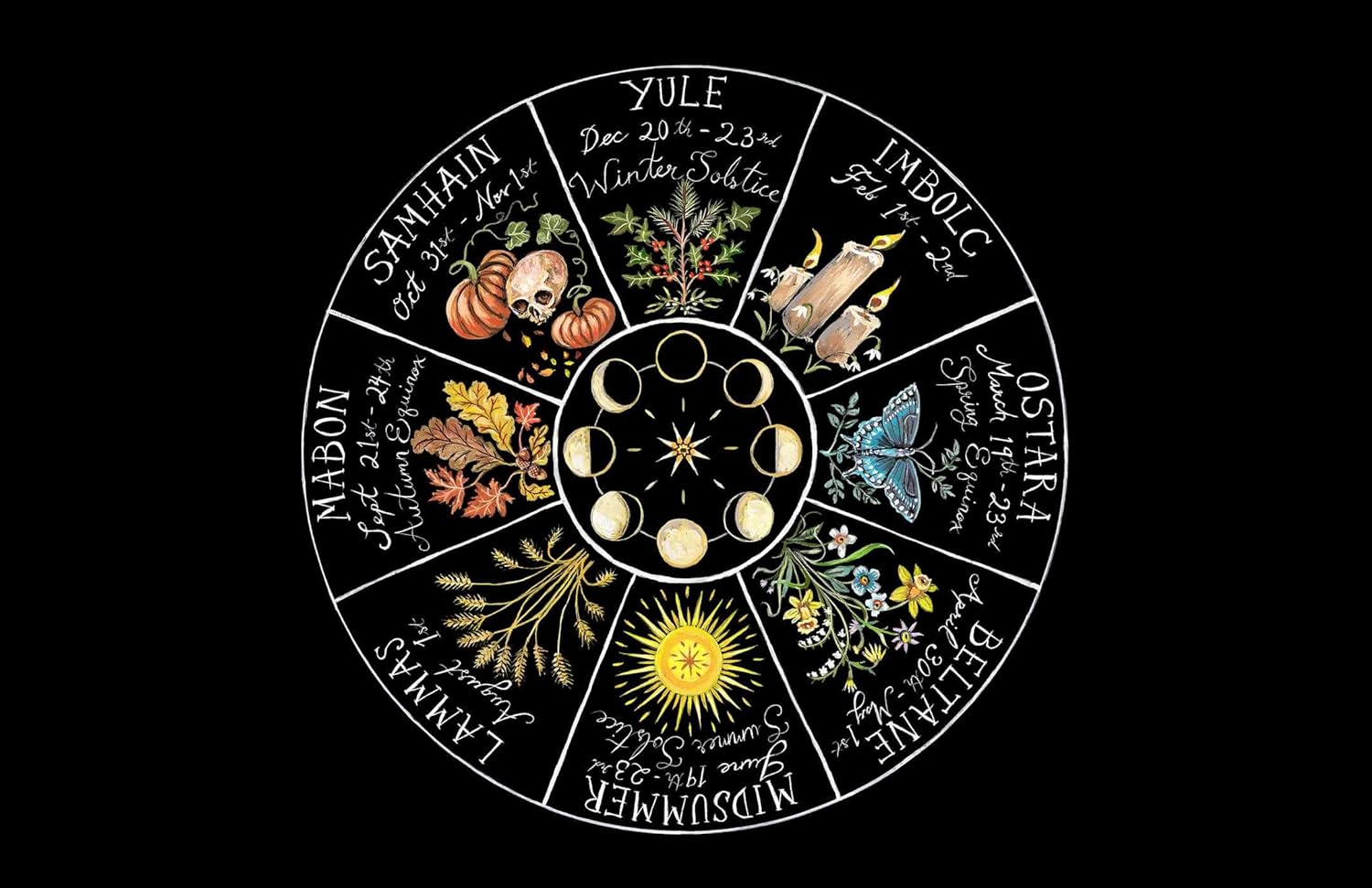
Wild Witchcraft naturally invites spells and rites that celebrate the changing seasons, honor plant spirits, and bring nature’s power into your circle.
For example, you might craft a simple ritual for the spring equinox by planting seeds of ancient herbs like calendula or yarrow, speaking your intentions for growth and healing. Or gather fallen oak leaves in autumn to create a sigil—a symbolic design charged with your personal magic.
Many witches use plants alongside candles, crystals, and chants, creating a harmonic web of intention. A sprig of thyme burned as incense, a fresh sprig of sage tied to a ritual altar, or the careful arrangement of herbs in a charm pouch all bring the wisdom of the wild to your fingertips.
Spiritually, working with plants this way reminds us that magic is alive and growing, just like the cycle of seasons and the pulse of the earth beneath our feet. It reconnects us to a sense of belonging and respect—the very foundation of true witchcraft.
Questions Readers Often Ask
Is it necessary to have extensive botanical knowledge to practice Wild Witchcraft?
Not at all. While learning is important—for safety and respect—many practitioners begin simply by observing and spending time in nature. Start with one or two familiar plants, study their habits, and listen to what they teach you. Over time, your knowledge will grow naturally.
How can I be sure I’m foraging sustainably and ethically?
Pick only what you need and make sure the plants aren’t endangered or protected in your area. Avoid damaging the root system and leave plenty behind so the plant population can replenish. And always offer thanks to the land.
Can I grow magical herbs indoors if I don’t have a garden?
Absolutely! Many herbs thrive in pots on windowsills or balconies. Indoor gardening is a wonderful way to keep magic close, especially if the wild outdoors feels far away.
How do I include these herbs in my magic if I’m new to ritual spellwork?
Begin simple. Add a pinch of dried herb to a candle’s base, brew and sip a magical tea, or keep an herb pouch with you. Focus on your intention and gratitude, and remember that the magic comes in the relationship, not in complex spell formulas.
Welcoming You Into the Wild
Wild Witchcraft: Folk Herbalism, Garden Magic, and Foraging for Spells, Rituals, and Remedies is more than a guide—it’s an invitation to rediscover your place and power within the green world. Whether you grow herbs on your porch or wander the forest paths to gather gifts from the earth, each step draws you closer to the magic breathing all around us.
May your journey be rich with wonder, grounded in respect, and blossoming with the quiet strength of wild plants.
If this sparks your curiosity and you feel called to explore more, I invite you to journey alongside us here at Amira Asmodea as we share deeper knowledge of plants, magic, and the wild world waiting just beyond your doorstep.
Bibliography
- Cunningham, Scott. Earth, air, fire & water. Llewellyn Publications, 1991. Source.
- Doreen Valiente. An ABC of Witchcraft Past and Present. Robert Hale, an imprint of The Crowood Press, 1999. ISBN 9780719826917.
- Doreen Valiente. Natural Magic. Robert Hale, an imprint of The Crowood Press, 1975. ISBN 9780719826924. Source.
- Buckland, Raymond. Buckland's Complete Book of Witchcraft. Llewellyn Publications, 1986. ISBN 9780875420509. Source.
- Gerald Gardner. The Meaning of Witchcraft. Aquarian Press, 1982. ISBN 1950506789. Source.
- Gardner, Gerald. Witchcraft Today. Rider & Company, 1954. Source.
- Zambelli, Paola. White Magic, Black Magic in the European Renaissance: From Ficino, Pico, Della Porta to Trithemius, Agrippa, Bruno. Studies in Medieval and Reformation Traditions, vol. 125, Brill, 2007, x + 282 pp. ISBN 978-90-04-16098-9. Cambridge Core. Google Books.