Is there good (and bad) luck?
Hello, dear soul. I9m Amira, and today I want to speak gently with you about a curious force we all whisper about—luck. We hear it called 2good luck2 or 2bad luck,2 but what does that really mean? Can luck be summoned, shifted, or perhaps even understood more deeply? Let9s sit together in this moment and explore this common, yet often puzzling, thread that weaves through our lives.
First, let9s touch on what luck often feels like
When life flows smoothly, many of us say someone has 2good luck.2 When things stumble or go awry, we point toward 2bad luck.2 These phrases roll off our tongues effortlessly. Expressions like 2He has a lucky star,2 or in other colorful words, 2he comes with a bread under his arm,2 hint at an invisible blessing or charm that tilts life9s scales. Yet, luck itself remains unseen, a whisper rather than a thing.
In my experience, this idea of luck is tightly entwined with our fears and hopes. It9s why some avoid telling secrets or hesitate to share a ritual — lest they invite misfortune. Ever hear someone shy away from walking under a ladder, or cross their fingers when a black cat crosses their path? These are threads in that delicate tapestry of superstition that we call luck.
But what if luck is not simply a force that happens to us?
Is so-called good luck a cosmic magnet drawing blessings toward you? Or is bad luck a curse someone carries, stopping them from finding their way? For many years, like so many neighbors’ children, I believed utterly in luck9s sway—until a moment shifted my view.
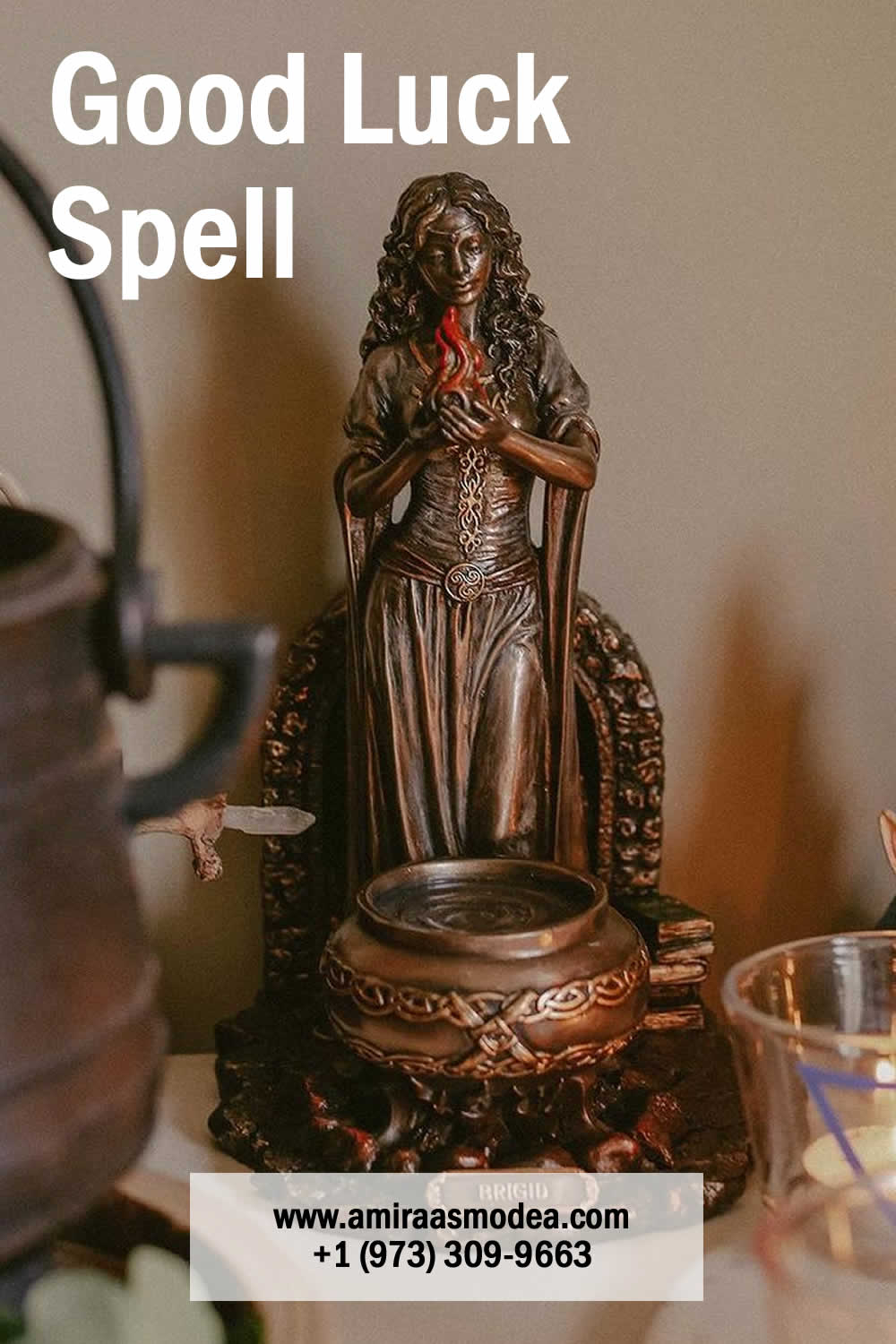
The day the scales tipped
Once, on a long plane ride where the hours stretched wide, I found a forgotten story on my iPad called 2Good Luck2 by Alex Rovira. It felt like a hidden gem, and I read it without pause. When I closed that book, something inside me had shifted. I no longer felt like a passenger drifting blindly with fate; I decided to be more active in shaping my path. It was, in a word, a revelation.
Years before that, when someone asked me how work was going, I answered with pride: 2I have good luck.2 But a wise voice gently corrected me: 2Don9t discount the hard work and choices you made.2
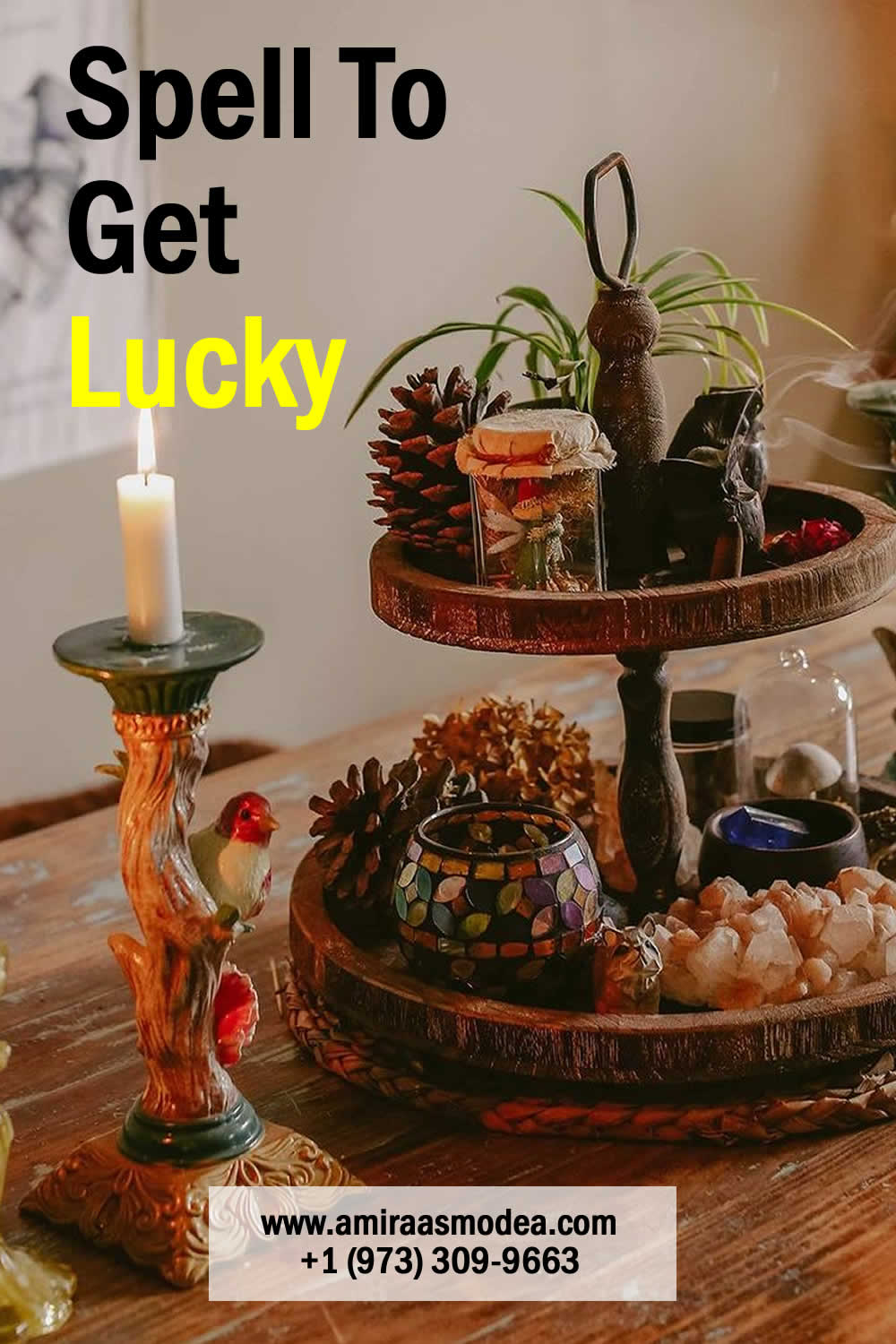
Remember the dance between effort and chance
Believing solely in luck can be a slippery dance. When we claim good luck brought us success, we risk overlooking our own merits, the sweat and spirit poured into the journey. And when failure is chalked up only to bad luck, it can become a shield for avoiding lessons or the reality of circumstances beyond our control.
Imagine life like a boat on a vast sea. Believing in luck alone is like handing the rudder to the wind and waves, hoping they take you where you want. Sure, sometimes they do, but often you9ll end up off-course, lost or frustrated. I prefer to grasp the tiller firmly, steering where I can, adjusting to the currents but always moving with intent.
Understanding this is freeing, truly. When you let go of the grip luck holds over your mind, you realize that your choices, your actions, your intentions form the core of what happens in your life. That recognition alone can shift your energy, opening you to deeper ritual work, clearer divination, and stronger protection magic.
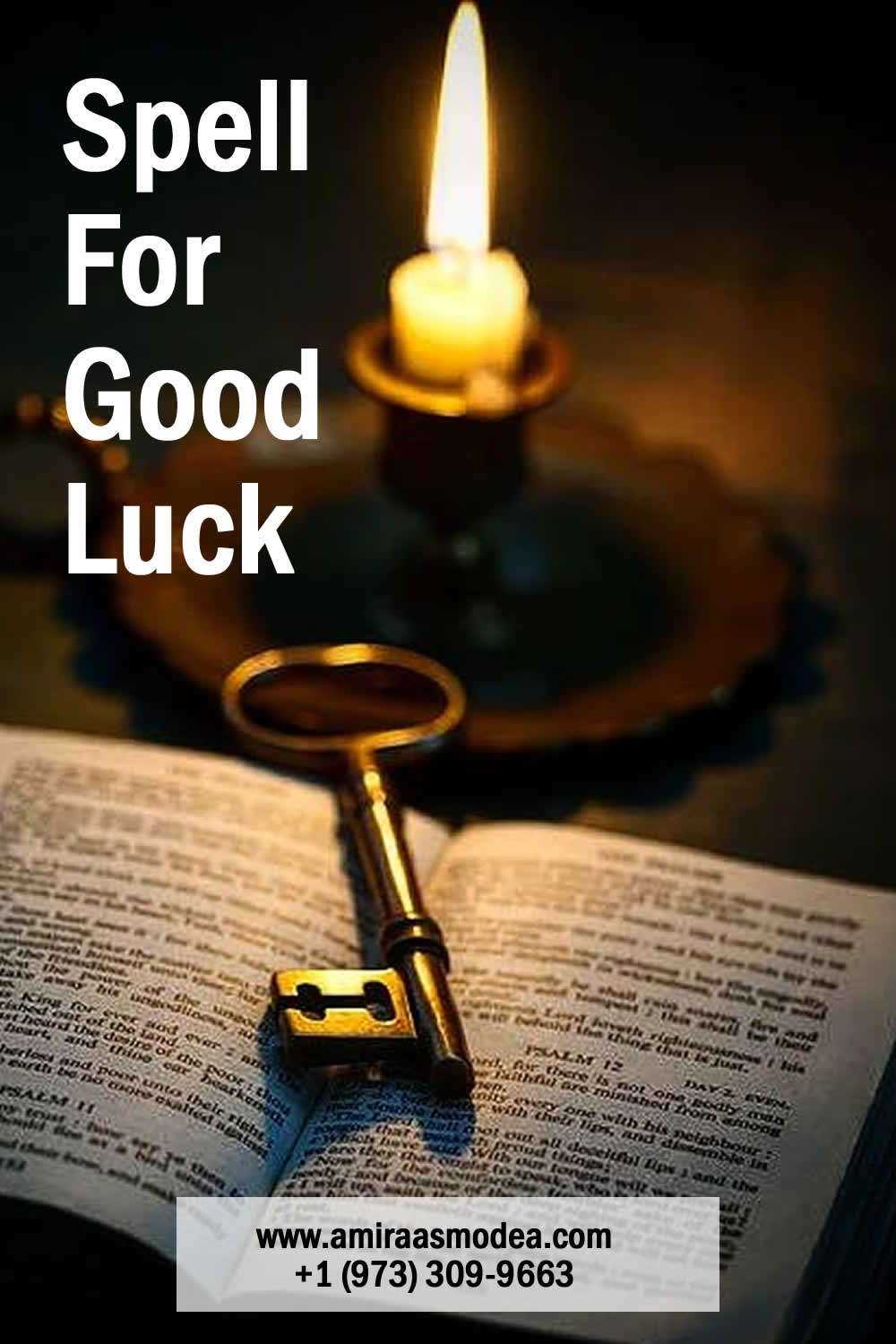
How to work with the essence of luck in your rituals and life
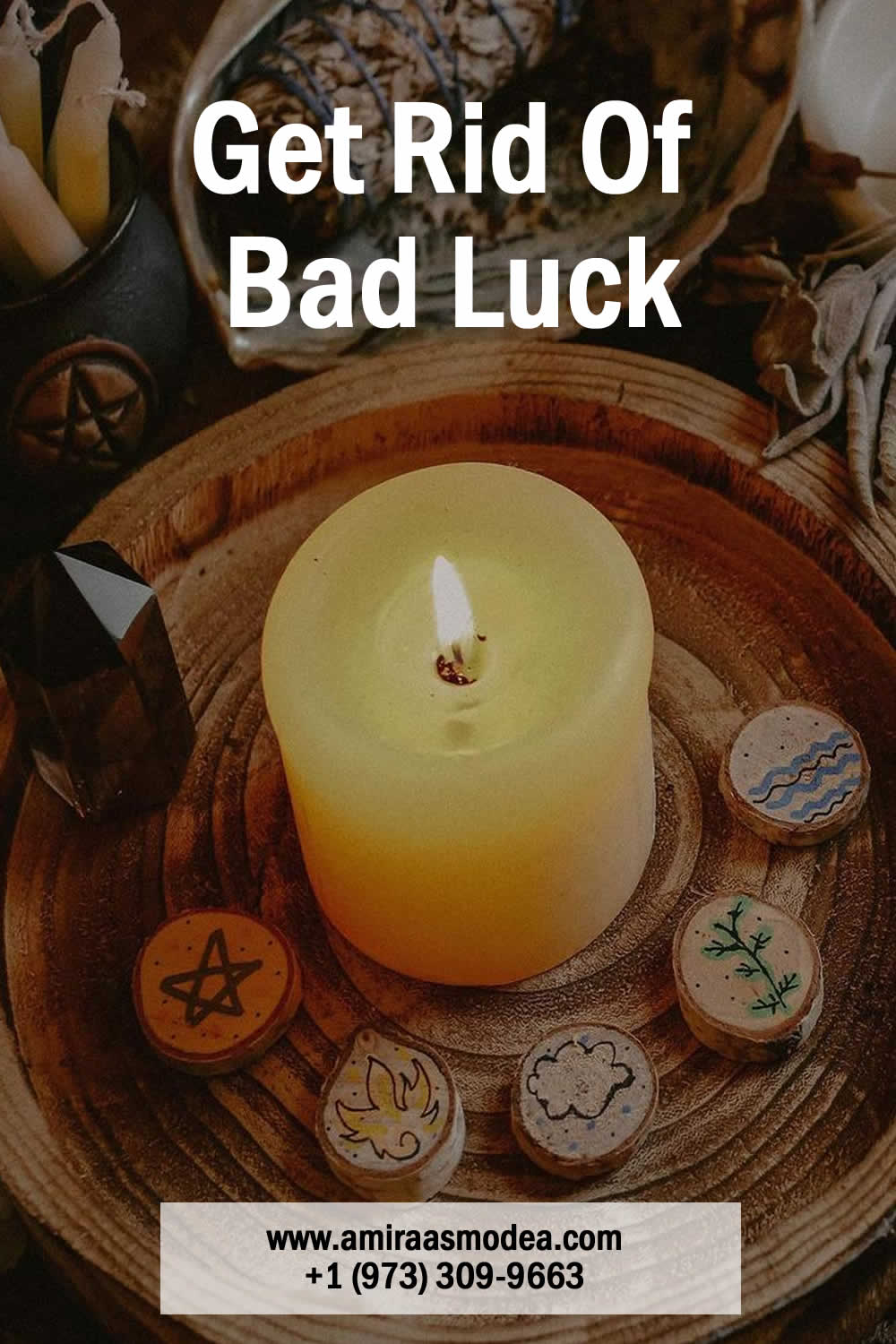
Many witches and magical practitioners find that what we call luck is really about harmony—between our inner will, our environment, and the energies we call upon. Lighting a candle with intention, carrying a charm or herb for prosperity, or drawing a sigil to clear obstacles are practical ways to focus your spirit and action towards your desires.
Here, luck comes not from random chance but from setting a clear course and inviting unseen allies to meet you there. Traditional herbs like basil and cinnamon are often associated with good fortune, while cleansing rituals using salt and sage clear away blocks that might feel like bad luck.
Even divination tools—whether cards, runes, or pendulums—can provide insight to help us navigate crossroads and make empowered choices.
What I cherish most is this view: luck isn9t a fickle stranger that visits now and then. It is a reflection of how we honor ourselves, take responsibility, and engage with the sacred dance of circumstance and will.
Questions readers often ask about luck
Is it bad to believe in bad luck? Sometimes, focusing on bad luck can make us feel helpless or stuck. Instead, I encourage you to see difficult times as invitations to growth and transformation. That shift alone can soften the weight of misfortune.
Can rituals change my luck? In my experience, ritual is less about magic fairy dust and more about clarifying intention, opening your heart, and stepping forward with confidence. When done with genuine focus, rituals support you in aligning your path.
How do I stop worrying about luck? Start by acknowledging your own role in life’s unfolding—your efforts, your choices, and your interactions. Celebrate small victories and learn tenderly from setbacks. This mindset builds a protective energy around you stronger than fears about luck.
Are lucky charms just superstitions? They can be, if treated like talismans without meaning. But when a charm or candle holds your intention and heartfelt belief, it becomes a powerful anchor for your will.
Life will always have its mysteries, and luck is one of them. Yet, through lived wisdom and magical practice, we discover that luck is not a force beyond us, but a dance we join with eyes wide open.
Thank you for joining me in this reflection. If this sparks your curiosity, explore further spells and rituals for inviting positive energy on the Good Luck Spell page. Let9s continue walking this magical road, hand in hand.