Magic and Spells in Ancient Egypt
Welcome, seeker of ancient wisdom. I am Amira Asmodea, your guide through the veils of time and the mysteries of sacred magic. Today, we journey together to the land of the pharaohs – Ancient Egypt – to uncover the profound world of magic and spells that once flourished along the Nile. Known as a cradle of spiritual practice and mystical lore, Egyptian magic remains one of the most fascinating and influential traditions, echoing through centuries and still inspiring witches and magicians today.
 Magic and Spells in Ancient Egypt
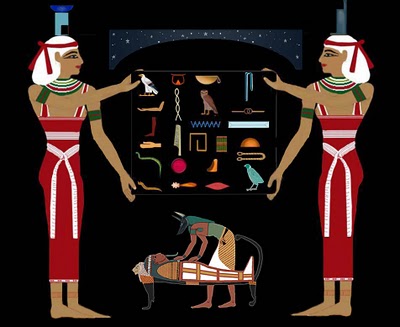
To begin plainly, Ancient Egypt was a pioneer when it came to the practice and belief in magic—what the Egyptians called heka. Far from being mere superstition, heka was understood as a divine force, an energy that connected the earthly and the spiritual realms. It was woven tightly into daily life, religious ceremonies, and even governance, carried by priests, rulers, and common folk alike.
The sacred city of Heliopolis, for example, was a spiritual hub, home to the solar tradition and the birthplace of gods such as Osiris, Nephthys, and Anubis. It was here that the mysteries of life, death, and rebirth were studied and celebrated with intricate rituals. The famous Rosetta Stone, a key to understanding their complex written script, also attests to the depth of their culture and magical language.
Even Napoleon, upon first encountering Egyptian culture in the eighteenth century, was struck by its rich magical heritage. His explorations and those of other scholars since have revealed a complex magical system that influenced everything from architecture to spiritual rites.
One notable thread of this tradition seeped into later systems, including what became known as Freemasonry. The great Egyptian god Ptah of Memphis was regarded as a grand architect of the world, inspiring symbolism and ritual that persists today. The very word 'Freemasonry' comes from 'franc-mason,' referring to skilled ancient builders who upheld secret knowledge, much like the custodians of Egyptian magical wisdom.
Another significant influence was Greek Gnosticism, which itself drew from Egyptian esotericism, especially through the figure of Thoth—god of wisdom and magic, revered in the city of Hermopolis. Thoth’s legacy lives on in occult practices and writings, linking Egyptian magic to wider Mediterranean mystical traditions.
Understanding Egyptian Magical Practices
Many practitioners today wonder: what did Egyptian magic look like in everyday terms? What rituals and spells did they perform? While much of the ancient knowledge is lost or hidden in cryptic symbols, some key elements stand out, giving us a glimpse into their sacred art.
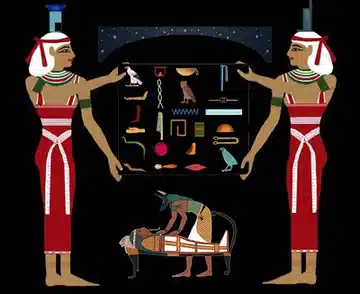
One of the most famous rituals is the mythic cycle of Osiris—the god of death and resurrection. This story is more than a myth; it formed the basis for powerful ceremonies centered on transformation, renewal, and judgment. Within the Hall of Ma'at, those who had passed were believed to undergo judgment by forty-two divine judges. The heart of the deceased was weighed against the feather of Ma'at, symbolizing truth and cosmic order. The iconic ankh, the symbol of life, represented the promise of eternal life for those who lived justly.
Temples dedicated to these rites were ornately designed, created with precise ceremony and sacred geometry. The priests performed intricate rituals, including offerings, invocations, and the use of magical amulets and spells to protect, heal, and connect with the divine. These ceremonies were not mere performances but serious spiritual endeavors that aimed to bridge humanity and the divine forces.
Of particular fascination is what some describe as the “ascension of divinity.” This rite involved the magician or priest becoming one with a god, a merging of human and divine essence. This is a powerful archetype that echoes in many magical traditions—an initiation into something greater than oneself, where spiritual knowledge empowers personal transformation.
Spells, Potions, and Amulets: Daily Magic in Ancient Egypt
Beyond grand temple rituals, everyday magic also flourished. Many Egyptians believed in the protective power of spells and charms—prayers inscribed on papyrus or carved into talismans to safeguard health, attract love, or ensure prosperity. For instance, they might carry an amulet of the Eye of Horus, a symbol of protection and healing.
Herbs and natural ingredients were combined with spoken words and symbolic gestures. Magic was practical and deeply connected to the rhythms of nature. The Nile’s flooding, the cycles of the moon, and the procession of stars all played roles in timing spells and ceremonies.
In my experience and through the accounts of many practitioners, this blending of the practical and mystical is what makes Ancient Egyptian magic so captivating. It’s a reminder that magic is about living harmoniously with the unseen forces around us.
Questions readers often ask
Did Ancient Egyptians really believe in magical beings like spirits or demons?
Yes, they believed the world was filled with spiritual entities. Some were protective, like household gods, while others could cause harm if not respected. Magic was often used to balance these energies and keep negative influences at bay.
Are there modern ways to connect with Egyptian magic today?
Absolutely. Many individuals study Egyptian symbols, deities, and rituals to incorporate their wisdom into contemporary practice. Using symbols like the ankh or invoking gods like Isis or Thoth can be done with respect and mindfulness, focusing on the intentions those symbols embody, such as healing, wisdom, or protection.
What’s the significance of the ankh symbol in spells?
The ankh is often called the key of life. It represents eternal life, the breath of the gods, and the union of masculine and feminine energies. In spells and talismans, it is used to invite vitality, spiritual renewal, and protection.
The Spiritual Legacy of Egyptian Magic
Even now, thousands of years later, the echoes of Egyptian magic resound through the corridors of esoteric traditions. From the Hermetic teachings attributed to Hermes Trismegistus, who was connected to Thoth, to modern Wicca and ceremonial magic, the core principles—balance, harmony, transformation—remain alive.
Exploring these ancient practices offers us a chance to deepen our own magical paths. We learn how respect for nature, reverence for the divine, and careful ritual create a sacred space where magic can flourish. Ancient Egypt teaches us that magic is not separate from life—it is woven into its very fabric.
So, dear reader, may this glimpse into the magical world of Ancient Egypt inspire your own journey, whether through study, ritual, or simply a moment of quiet reverence for the mysteries that surround us.
For those eager to venture further, I invite you to continue exploring the ways magic shapes our world, past and present, here with me at Amira Asmodea. Until then, may your path be blessed with wisdom and wonder.
Bibliography
- Cunningham, Scott. Earth, air, fire & water. Llewellyn Publications, 1991. Source.
- Doreen Valiente. Natural Magic. Robert Hale, an imprint of The Crowood Press, 1975. ISBN 9780719826924. Source.
- Hall, Judy. The Crystal Bible Volume 2. Godsfield Press, 2009. ISBN 9781841813509. Source.
- Buckland, Raymond. Buckland's Complete Book of Witchcraft. Llewellyn Publications, 1986. ISBN 9780875420509. Source.
- Scott Cunningham. Wicca: a guide for the solitary practitioner. WICCA A GUIDE FOR THE SOLITARY PRACTITIONER SCOTT CUNNINGHAM Llewellyn Publications, 1993.