Magic in Antiquity and Ancient Rituals
Welcome, dear seekers of the hidden and the arcane. I’m Amira Asmodea, and today I invite you to walk with me along the winding pathways of ancient magic—those mysterious practices and ceremonies that stretch back to the dawn of human stories. Magic, in many forms, has always been part of our shared human experience. It’s a thread weaving through the tapestry of history, bridging the seen and unseen worlds.
When we talk about magic in antiquity, it’s easy to think of it as shadowy affairs meant to harm or control. Indeed, from the earliest days, humans have sought to influence their fates—and the fates of others—through rituals, spells, and sacred acts. This desire to bend the world to one’s will, whether for protection, love, or revenge, is as old as civilization itself.
In my experience studying these ancestral practices, I find it crucial to understand the broader picture. Magic wasn’t only about curses or nefarious deeds; it was also deeply connected to community, spirituality, healing, and the search for meaning. But today, let’s start with one of the most fascinating and often misunderstood aspects: the use of magic for harm in the ancient world.
Magic’s Darker Side: Curses and Manipulation

Throughout ancient Egypt, classical Greece, and Rome, people believed that misfortune almost always sprang from an enemy’s evil intention. The world, as they saw it, was full of unseen forces ready to be called upon to aid or curse. Archaeological finds remind us of how vivid these beliefs were: objects like curse tablets, figurines, and magic papyri reveal attempts to direct supernatural power toward personal ends.
Curse tablets were small, often thin sheets of lead inscribed with the name of a person intended to be harmed. These were also known as defixiones, and they carried symbols or magic phrases designed to bind, confuse, or damage the victim. Once marked, the tablets were folded or pierced with nails and buried near graves or battlefields, places believed to be gateways to the spirit world or homes to powerful forces. Sometimes, these curses targeted a rival athlete, a competing lawyer, or even tried to sway the affections of a beloved one by muddling another’s words or will.
It’s no coincidence these tablets often invoked powerful underworld deities such as Persephone, Hades, Hecate, Demeter, or Hermes—the guardians of thresholds, death, and mystery. By appealing to these gods, the curser sought their intervention where mortal means failed.
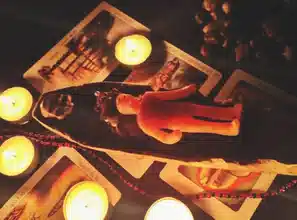
Alongside tablets, magical dolls were used to similar effect. Crafted from lead, bronze, clay, or wax, these figures represented the victim—often shown with arms bound and marked by nails driven into significant places like the head, eyes, or genitals. In a grim but fascinating ritual, these dolls were sometimes buried near tombs to be empowered by the spirits of the dead.
Historically, these dolls initially served more benign purposes, such as attempting to attract the attention of a lover or influencing affection. Yet, as we travel further back to ancient Egypt, we see them employed more aggressively—to remove enemies of the Pharaoh. In some cases, such dolls were even hidden within the intestines of animal carcasses, amplifying their eerie potency.
Written Magic: Papyrus and Spells
Among the treasures of the ancient world are magical papyri, texts written in Greek, Demotic Egyptian, and Coptic, dating from the first century BCE onward. These manuscripts offered insights into the spells and ceremonies of their time. For example, one spell involved tying a strand of a victim’s hair to a corpse and binding both to the body of a hawk—a symbol often connected to protection, danger, or vigilance in ancient thought. This physical linking was meant to transfer influence or act as a bridge between worlds.
Speaking with the Dead: Necromancy and Beyond
The desire to communicate with those who have passed away is as old as civilization, too. The Greek epic Odyssey gives us our earliest literary glimpse into necromancy—rituals for contacting the souls of the dead. In those days, and through Roman times, it was believed that communicating with spirits could reveal hidden truths or even alter fate.
Interestingly, children often played a role in such practices during Roman times. Their innocence and untouched nature were thought to make them ideal mediums—channels through which the dead might speak more clearly.
Why Did Magic Matter So Much in Ancient Times?
Put simply, magic offered people a way to make sense of the unpredictable world around them. Illness, loss, or misfortune were not seen as random tragedies but often as the result of invisible forces at work, either natural or supernatural. When life was harsh and uncertain, magic became a tool—a means of regaining a sense of control or protection.
Many traditions hold that our ancestors felt closeness to the spiritual realm in a way that modern life often obscures. Their rituals, whether for protection, love, or justice, were woven deeply into daily living and community harmony.
Questions Readers Often Ask
Were all ancient magical practices harmful?
Not at all. While curses and controlling magic grab our attention, ancient magic also included blessings, healing spells, rituals for prosperity, and rites of passage. Just like today, magic had many faces—some shadowy, some luminous.
Are any of these ancient rituals still in use?
Many contemporary traditions carry echoes of these ancient practices. Whether in folk magic, witchcraft, or ceremonial rites, the symbolism of binding, talking to spirits, and using written spells continues in adapted forms.
What can modern practitioners learn from ancient magic?
In my experience, ancient rituals teach us reverence for unseen forces and the power of symbolic action. They remind us that magic has always been about relationship—between humans, the earth, the spirit world, and the divine.
I hope this glimpse into the magic of antiquity fills you with as much wonder as it does me. History isn’t just dusty tales—it’s a well from which we can draw wisdom, courage, and enchantment for our own paths.
If your heart is hungry for more mysteries and guidance on walking the magical path, stay a while longer in this circle of learning. There’s much more waiting for you among herbs, candles, sigils, and spells. Until next time, may your spirit stay curious and your magic true.