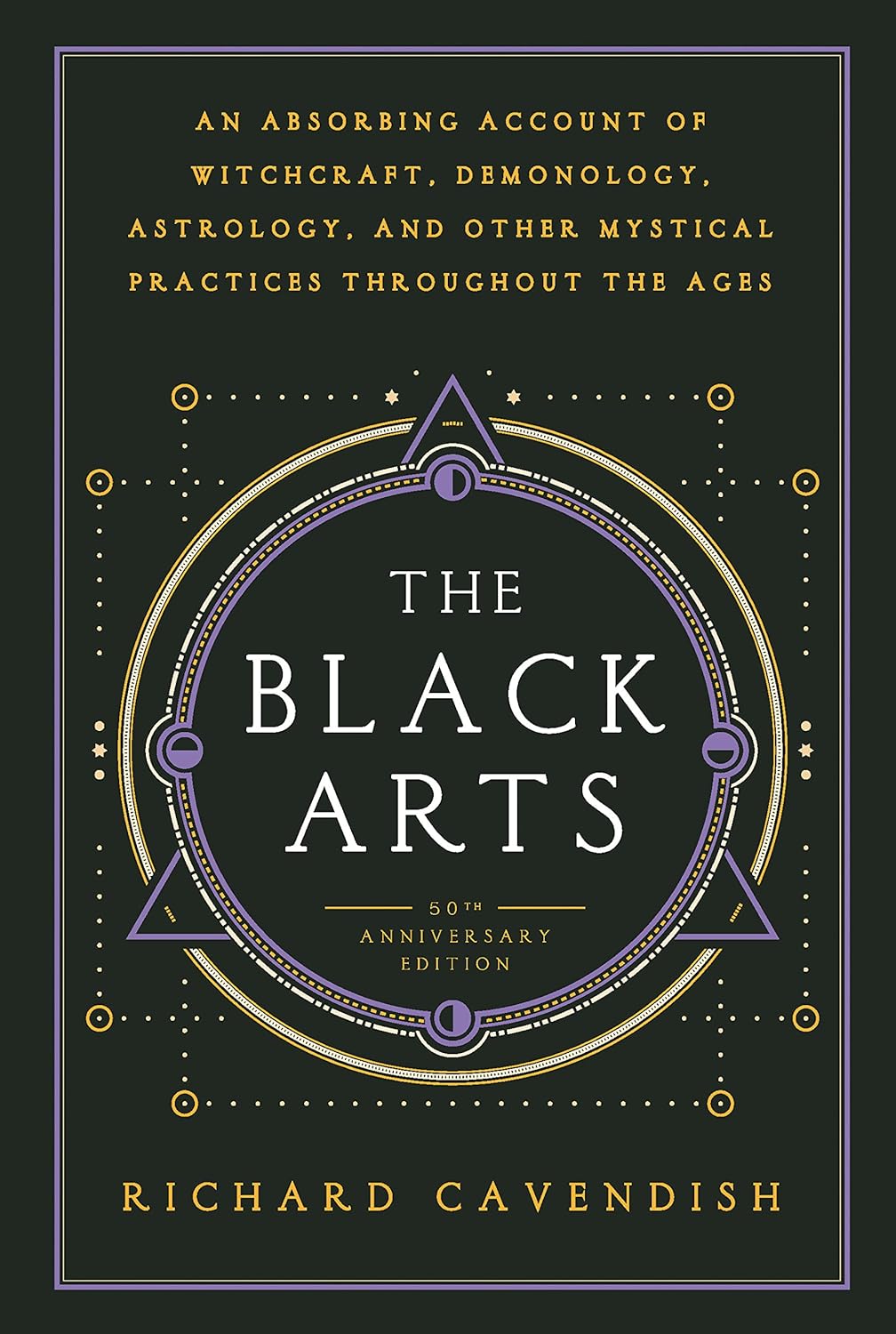
The Black Arts: Review and Overview
Welcome, dear seeker. I’m Amira Asmodea, and I’m delighted you’ve arrived here, where the deep mysteries of the Black Arts unfold in stories as old as time yet still vibrant today. Let’s journey together through the unfolding threads of witchcraft, demonology, astrology, alchemy, and other mystical arts that have whispered to humanity through centuries.
In my experience, the term Black Arts often stirs curiosity and a touch of apprehension, but at its heart lies an exploration of ancient and powerful practices—never solely dark or forbidden, but complex and deeply human. Traditionally, these arts include the craft of spellcasting, the study of invisible forces, and the weaving of symbols and rituals to connect with forces beyond the ordinary.
Let’s start by gently unwrapping these threads.
Witchcraft – The Art of Earth and Spirit
Witchcraft is perhaps the most familiar branch of the Black Arts, but it’s endlessly varied and rich. Traditionally, witches are those who work with nature’s forces, herbs, and simple tools like candles and charms to bring about change or healing. Some see it as a sacred connection to the cycles of the earth, the moon, and the seasons. Many practitioners believe it as an art grounded in intention and respect for unseen energies, not evil or harm.
In my own practice, crafting simple cleansing rituals or lighting a candle to mark a new phase can be a beautiful way to invite protection and clarity. Witchcraft also embraces divination tools like tarot and runes to understand the present and gently nudge the future.
Demonology – Understanding the Spirits Beyond
Demonology often conjures images of dark beings, but historically it represents the study of spirits, often misunderstood. This branch involves learning about various entities—some feared, some revered—and how they interact with the human world. Many spiritual traditions within this path focus on protection and balance rather than control.
During my years studying old grimoires, I've found that acknowledging spirits with respect and clear boundaries is a practice rooted in humility and wisdom. Ceremonial protections using salt, sage, or sigils (symbols charged with intention) are common ways to maintain harmony when working with unseen forces.
Astrology – The Sky’s Sacred Language
Astrology draws the stars and planets into earthly life’s rhythms. It is an ancient practice where celestial movements map cycles in human affairs, emotions, and energies. Traditionally seen as a way to divine character traits, predict events, or find auspicious timings, astrology remains a beloved tool for many witches and mystics.
Practically speaking, I often use the phases of the moon to time rituals: the new moon for beginnings, the full moon for releasing or manifesting. Understanding your sun sign or moon sign can also deepen self-awareness and guide personal growth in alignment with cosmic energy.
Alchemy – The Art of Transformation
Alchemy is more than turning metals into gold—it’s a spiritual and mystical quest for personal transformation. Traditionally, alchemists sought the Philosopher’s Stone, thought to unlock eternal wisdom and vitality. Many see alchemy as a metaphor for inner work: purifying the self, transmuting base impulses into wisdom and compassion.
In my experience, approaching alchemy with patience and intention allows a unique blending of practical and spiritual work. Whether through herbal preparations, candle magic, or meditation, this art invites us to become the alchemists of our own souls.
Other Mystical Practices
The Black Arts umbrella covers a wide range of fascinating branches. The kabbalah, for example, weaves mystical interpretations of sacred texts and the structure of the cosmos. Tarot engages with symbolic images as a language of intuition and insight. Charms might include little tokens imbued with magical intent for love, protection, or prosperity. Summoning and controlling spirits, often called conjuration, involve precise rituals with deep learning and respect.
Each of these practices contributes to a vast tapestry—where magic is ultimately about connection: to nature, to spirit, to the deeper layers of reality.
Practical Reflection: Bringing the Black Arts into Daily Life
Many wonder how these venerable arts fit into the busy, modern world. The truth is, magic doesn’t require elaborate ceremonies or ancient texts to be meaningful or potent. For example, a simple clearing ritual with sage or a candle can reset your energy after a hard day. Drawing sigils—symbols you create to represent your desire—can be a way to focus intention on your goals. Wearing a charm or carrying a stone with meaning can be a quiet anchor to confidence or protection.
In my own life, the Black Arts are less about spectacle and more about gentle tending of the spirit, weaving intention with everyday moments. They offer a language to express hope, healing, and transformation.
Questions Readers Often Ask
Is the Black Arts dangerous?
The arts themselves are tools—how they are used depends on intention and understanding. Like fire, magic can warm or burn, depending on care and respect.
Do I need to call on dark forces to practice?
Not at all. Many practitioners work purely with natural energies, spirit guides, or celestial rhythms. The idea that black arts are “dark” is often a misunderstanding.
Where can I start if I want to explore these paths?
Start simple: observe the moon phases, learn about herbs, keep a journal of your dreams and intuitions. Explore gentle divination like tarot. Most importantly, approach with an open heart and respectful curiosity.
You can also keep exploring tarot with these free tools:
Thank you for joining me beneath this vast, starry sky where the Black Arts gather their quiet power. Continue wandering these mysteries gently and with wonder. There’s always more to discover, and the path unfolds one step at a time.
Bibliography
- Doreen Valiente. An ABC of Witchcraft Past and Present. Robert Hale, an imprint of The Crowood Press, 1999. ISBN 9780719826917.
- Buckland, Raymond. Buckland's Complete Book of Witchcraft. Llewellyn Publications, 1986. ISBN 9780875420509. Source.
- Gerald Gardner. The Meaning of Witchcraft. Aquarian Press, 1982. ISBN 1950506789. Source.
- Gardner, Gerald. Witchcraft Today. Rider & Company, 1954. Source.
- Zambelli, Paola. White Magic, Black Magic in the European Renaissance: From Ficino, Pico, Della Porta to Trithemius, Agrippa, Bruno. Studies in Medieval and Reformation Traditions, vol. 125, Brill, 2007, x + 282 pp. ISBN 978-90-04-16098-9. Cambridge Core. Google Books.