Demonology: Of King James I
Greetings, dear seeker. I’m Amira, your kindly guide through the realms where the mystical and historical intertwine. Today, we turn our gaze to a text that has shaped much of the early modern Western understanding of witchcraft and the occult — Demonology, penned by King James I of England at the close of the 16th century.
At its heart, Demonology serves as a window into the fears, beliefs, and harsh realities of the burning times — a period marked by intense witch hunts and a fervent desire to root out perceived evil from society. In my experience and through many accounts, this book stands out as one of the most detailed and influential treatises on sorcery, witches, demons, and supernatural meddling.
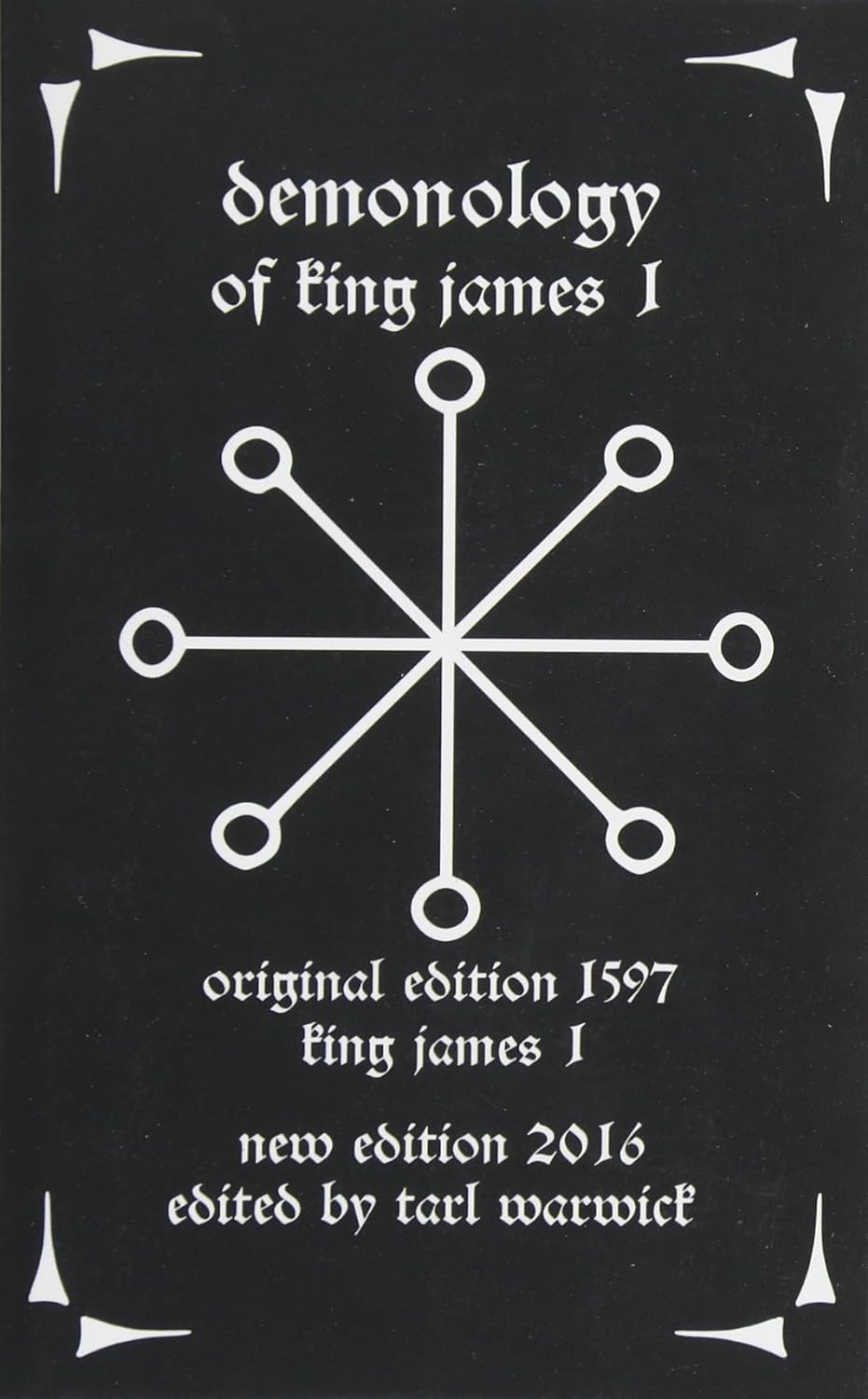
What Is King James’s Demonology?
Simply put, Demonology is a written exploration and condemnation of witchcraft as understood in King James’s time. Crafted around 1597, it was meant to clarify the king’s view on witches, demons, fairies, hauntings, and the devil’s work — topics entangled deeply with religion, superstition, and law.
King James, who believed firmly in the real presence of witches and dark spirits, uses this book to outline what he saw as their true nature and how they should be dealt with. He condemns witchcraft, linking it closely to Satanic influence and heresy, while also disapproving of what he called "Papistry," which refers to practices of the Catholic Church as he regarded them.
Understanding Its Place in Witch-Hunting History
During the burning times, many communities experienced fear of witches who were thought to curse crops, cause illness, or wreak havoc through secret magic. King James’s text became a foundation for legal and social measures against suspected witches. It not only describes the torment witches were believed to inflict but also offers practical methods to identify and prosecute them.
In his writings, James classifies demons — the various spirits that witches supposedly communed with or controlled — and describes their ranks and powers. He suggests that the only fitting response was harsh punishment, including death, not only for witches who harmed others but even those who practiced healing arts if tied to witchcraft.
Practical Examples and Dark Realities
For many practicing folk magic or healing at the time, the King’s Demonology painted a bleak picture. Even those helping community members with herbs or rituals could fall under suspicion if their work was misunderstood or maligned. James’s harsh stance contributed to a climate where fear often overpowered reason and compassion.
Some of the witch hunting methods prescribed involved careful interrogation, the use of certain tests, and observing signs like the so-called "witch’s mark" — a blemish believed to be a sign of a pact with evil spirits. While these methods sound cruel and flawed today, they were accepted and feared within that culture’s framework.
A Spiritual and Historical Reflection
Many practitioners today look back at Demonology with mixed feelings. On one hand, it is a valuable historical document revealing how deeply societal fears and religious beliefs can shape our understanding of the invisible world. On the other, it is a reminder of the dangers when suspicion and power combine without compassion.
Spiritually, Demonology serves as a cautionary tale of how the labels of "sorcery" or "witchcraft" have been wielded to control and persecute. It invites modern witches and seekers to reclaim their practices with wisdom, grounded ethics, and an embrace of healing rather than harm. In my experience, understanding such texts helps us recognize how much love, care, and respect our arts deserve.
Questions Readers Often Ask
- Why did King James write Demonology?
- It was partly to assert his authority and religious stance during a time when witchcraft was feared to threaten society and the church’s power.
- Does the text mention fairies as well as demons?
- Indeed, it does. In those days, fairies were sometimes considered dangerous spirits or deceptive beings linked to witchcraft, not the playful creatures of later folklore.
- Are the witch-hunting methods described still used today by pagans or witches?
- No, those methods are part of a dark history. Contemporary witches focus on protection, healing, divination, and building positive connections with natural spirits.
Keeping the Flame of Wisdom Burning
King James’s Demonology may not be a cheerful read, but it remains a powerful document that shines light on the beliefs and trials of the past. As a warm-hearted witch walking a gentle path, I encourage you to study such works deeply — not to adopt their harsh judgments, but to understand the human stories and fears woven through them.
May your own practice be rooted in love, clarity, and respect for all living beings. And remember, every old book holds lessons and warnings, waiting for you to listen with both heart and mind.
Thank you for joining me today. Feel free to explore more pages here, where wisdom and light meet the shadow, guiding you in your magical journey.