Herbs For Women
Hello, dear one. I’m Amira Asmodea, here to share some of the gentle yet powerful herbal allies that women have trusted across the ages. Whether you’re new to working with herbs or have long danced with their magic, these plants hold deep stories and practical gifts for the unique cycles and transitions of a woman’s body.
Women’s health is woven with the rhythms of nature, and herbs have long been a precious part of that dance. From the shifting tides of menstruation to the sacred journey of motherhood and the graceful passage through menopause, herbal allies offer care, comfort, and support. Let’s walk through some of these trusted botanicals, their uses, and the gentle magic they carry.
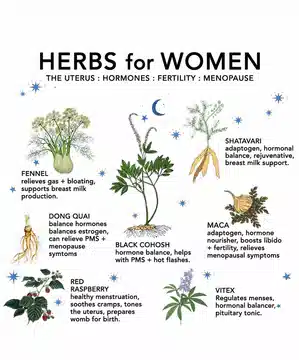
This is no small topic, so let’s begin simply with a key truth: Many women find that herbs like red raspberry leaf and Shatavari have been trusted for centuries because they gently tone the uterus and support reproductive wellness. Traditionally, these plants are used at various points: during pregnancy, to ease PMS, support childbirth, enhance lactation, and ease the challenges of menopause.
In my own experience, herbs like red raspberry leaf have been invaluable—from soothing desperate cramps, to finding balance after coming off the pill, to nurturing fertility again, to encouraging rich milk production. Alongside these are less commonly known but no less powerful plants like damiana and muira puama, both revered in rainforest traditions for supporting uterine health and fertility.
Let's look closer at some herbs that may resonate with different phases and needs in a woman's life:
Motherwort: This gentle herb is well-known for easing uterine cramps and toning the womb. Many have found it helpful through hormonal ups and downs and the irritability that can accompany them. It’s like a compassionate friend during emotional storms.
Ginger: Not just a kitchen staple, ginger acts as an anti-spasmodic, helping to ease painful cramps, reduce gas, and calm bloating. Its warming nature can comfort tense muscles and bring relief.
Lavender: The delicate scent of lavender is more than just relaxing. It can support the perineum in childbirth and promote a calm mind—both treasured qualities during labor and postpartum.
For Breast Milk Stimulation: Fenugreek, blessed thistle, and moringa are often called upon to help encourage a robust milk supply. These plants carry traditional reputations for nourishing both body and spirit during the breastfeeding journey.
Fertility Allies: Damiana, muira puama, black cohosh, maca, and vitex are herbs that many practitioners turn to when supporting fertility. Each has its own gentle way of encouraging balance and vitality within the reproductive system.
And now, a word on adaptogens — herbs that help the body adapt to stress and promote overall balance. Besides Shatavari and maca, which are often championed for women's health, here are a few more to consider:
Shizandra: Traditionally used to support circulation and awaken the sensitivity of the vaginal area, Shizandra helps strengthen both body and senses.
Holy Basil: Known as a great mood stabilizer and mineralizer, it eases the mind and supports emotional well-being—something so important when navigating the hormonal ebb and flow.
Gynostemma: Another mineralizer that also helps regulate mood, Gynostemma is lovely for bringing harmony into your daily rhythm.
Many women ask me about which herbs are safe during pregnancy or postpartum. It’s wise to seek guidance tailored to your personal health and stage, but in general, some of these herbs, like red raspberry leaf and shatavari, have long histories of use at particular times with great care.
Because every woman and her journey are unique, I always encourage nurturing your own connection with these plants—watch and listen to how your body responds. Try making teas, tinctures, or ritual baths, and let the herbs weave their slow magic.
So, what are your standbys? Have you found a friend in motherwort or a comfort in lavender? Share your experiences and favorites below the post—I love hearing how these ancient allies support your well-being.
Thank you for joining me here in this space. There’s so much to explore in the world of herbs, rituals, and women’s wisdom, so please keep reading and walking this path with gentle curiosity and open heart.
With warmth and magic,
Amira Asmodea
Women’s health is woven with the rhythms of nature, and herbs have long been a precious part of that dance. From the shifting tides of menstruation to the sacred journey of motherhood and the graceful passage through menopause, herbal allies offer care, comfort, and support. Let’s walk through some of these trusted botanicals, their uses, and the gentle magic they carry.
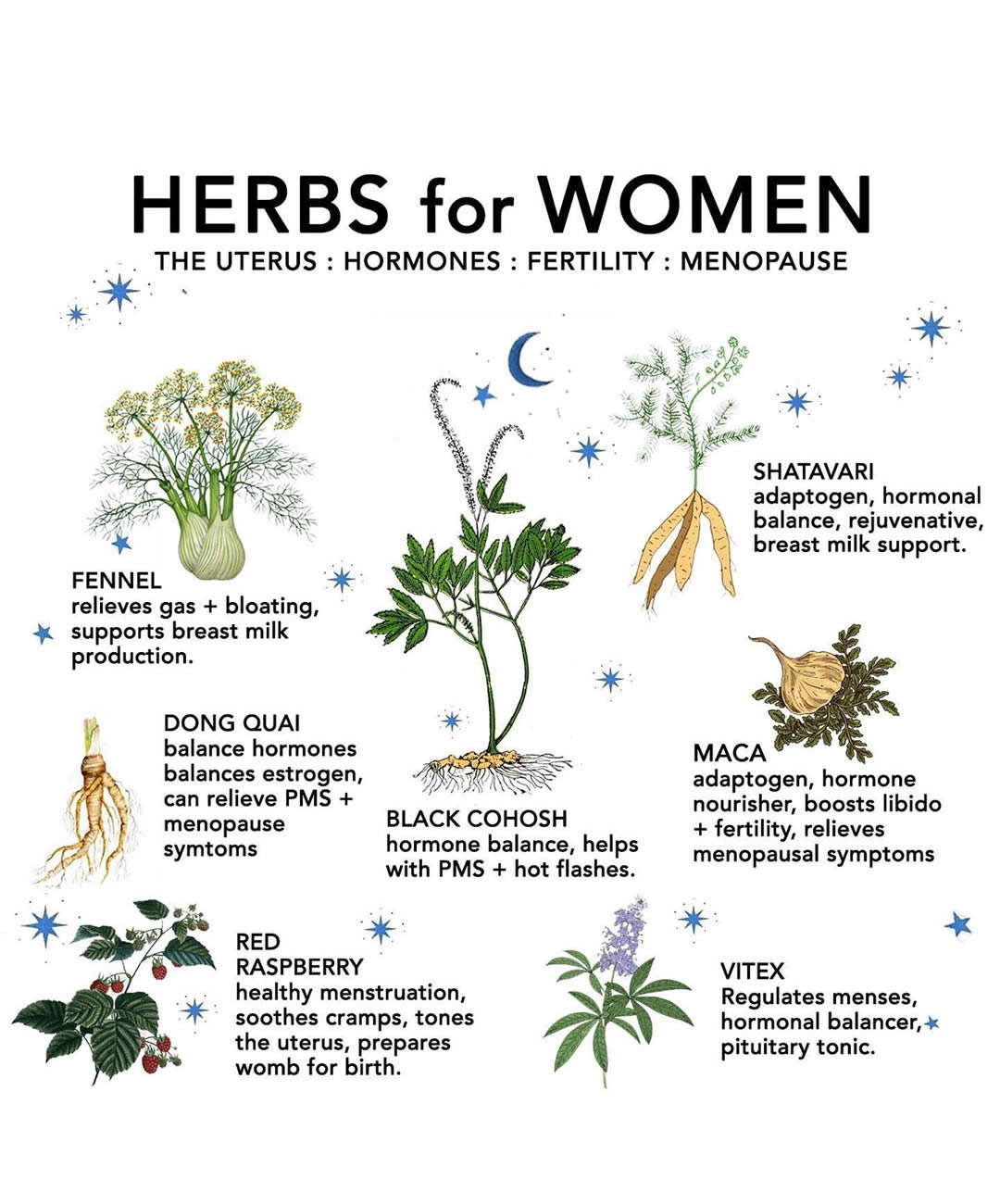
This is no small topic, so let’s begin simply with a key truth: Many women find that herbs like red raspberry leaf and Shatavari have been trusted for centuries because they gently tone the uterus and support reproductive wellness. Traditionally, these plants are used at various points: during pregnancy, to ease PMS, support childbirth, enhance lactation, and ease the challenges of menopause.
In my own experience, herbs like red raspberry leaf have been invaluable—from soothing desperate cramps, to finding balance after coming off the pill, to nurturing fertility again, to encouraging rich milk production. Alongside these are less commonly known but no less powerful plants like damiana and muira puama, both revered in rainforest traditions for supporting uterine health and fertility.
Let's look closer at some herbs that may resonate with different phases and needs in a woman's life:
Motherwort: This gentle herb is well-known for easing uterine cramps and toning the womb. Many have found it helpful through hormonal ups and downs and the irritability that can accompany them. It’s like a compassionate friend during emotional storms.
Ginger: Not just a kitchen staple, ginger acts as an anti-spasmodic, helping to ease painful cramps, reduce gas, and calm bloating. Its warming nature can comfort tense muscles and bring relief.
Lavender: The delicate scent of lavender is more than just relaxing. It can support the perineum in childbirth and promote a calm mind—both treasured qualities during labor and postpartum.
For Breast Milk Stimulation: Fenugreek, blessed thistle, and moringa are often called upon to help encourage a robust milk supply. These plants carry traditional reputations for nourishing both body and spirit during the breastfeeding journey.
Fertility Allies: Damiana, muira puama, black cohosh, maca, and vitex are herbs that many practitioners turn to when supporting fertility. Each has its own gentle way of encouraging balance and vitality within the reproductive system.
And now, a word on adaptogens — herbs that help the body adapt to stress and promote overall balance. Besides Shatavari and maca, which are often championed for women's health, here are a few more to consider:
Shizandra: Traditionally used to support circulation and awaken the sensitivity of the vaginal area, Shizandra helps strengthen both body and senses.
Holy Basil: Known as a great mood stabilizer and mineralizer, it eases the mind and supports emotional well-being—something so important when navigating the hormonal ebb and flow.
Gynostemma: Another mineralizer that also helps regulate mood, Gynostemma is lovely for bringing harmony into your daily rhythm.
Many women ask me about which herbs are safe during pregnancy or postpartum. It’s wise to seek guidance tailored to your personal health and stage, but in general, some of these herbs, like red raspberry leaf and shatavari, have long histories of use at particular times with great care.
Because every woman and her journey are unique, I always encourage nurturing your own connection with these plants—watch and listen to how your body responds. Try making teas, tinctures, or ritual baths, and let the herbs weave their slow magic.
So, what are your standbys? Have you found a friend in motherwort or a comfort in lavender? Share your experiences and favorites below the post—I love hearing how these ancient allies support your well-being.
Thank you for joining me here in this space. There’s so much to explore in the world of herbs, rituals, and women’s wisdom, so please keep reading and walking this path with gentle curiosity and open heart.
With warmth and magic,
Amira Asmodea